DOWNLOADS
DOWNLOADS

EDUCATION
HIGHLIGHTS
WOODWORKS
HIGHLIGHTS
THINK WOOD
HIGHLIGHTS
AWC
HIGHLIGHTS
Q2 HIGHLIGHTS
SLB
Feature Story


Q2 HIGHLIGHTS
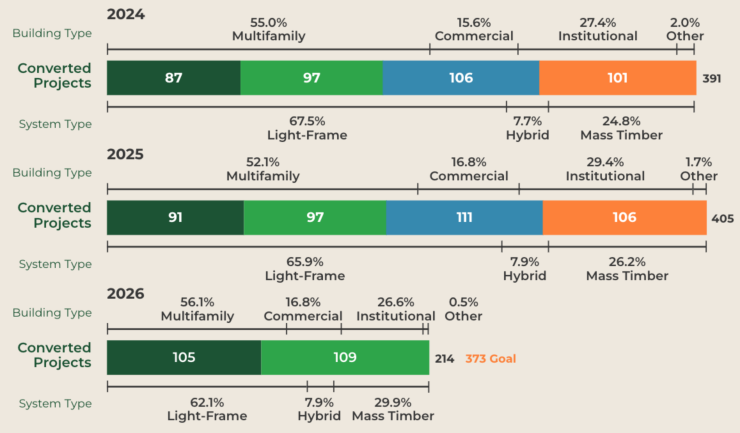
Four straight quarters of
100+ projects converted
Projects
Projects
Projects

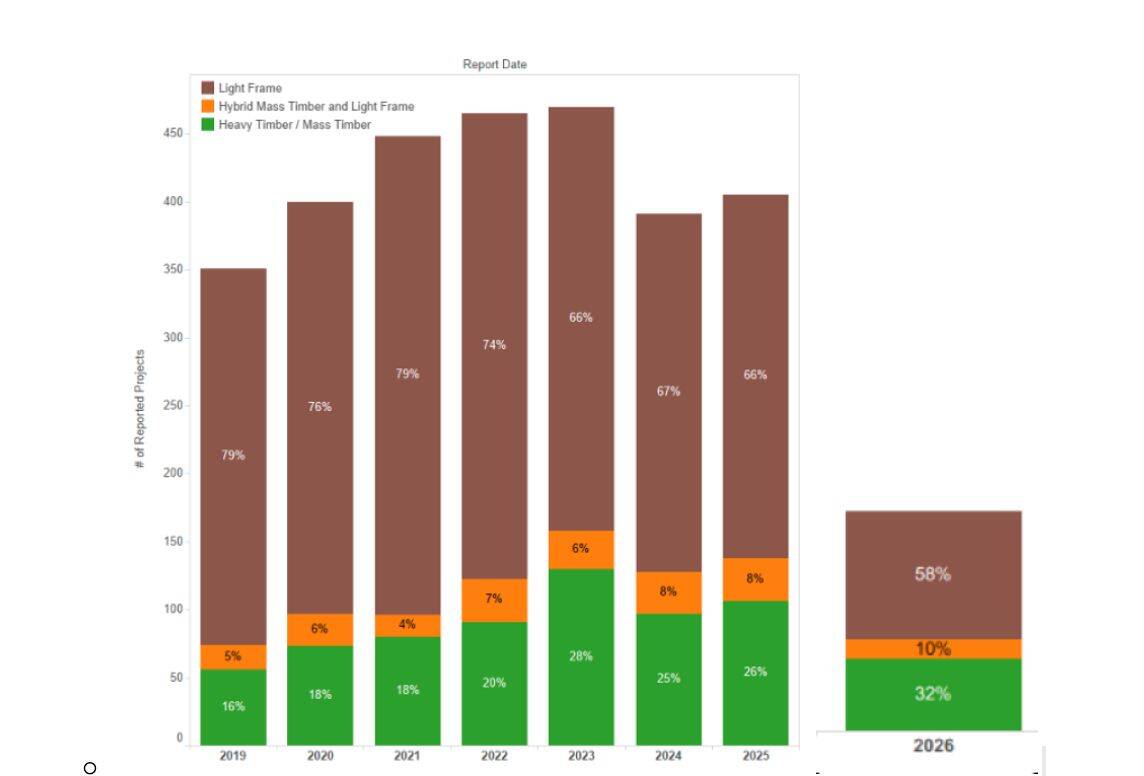
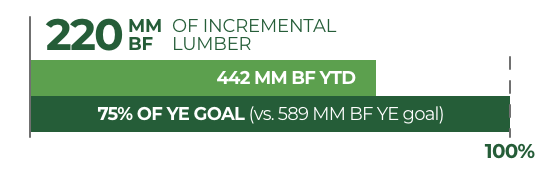
1,350 MM BF 2026 Goal.


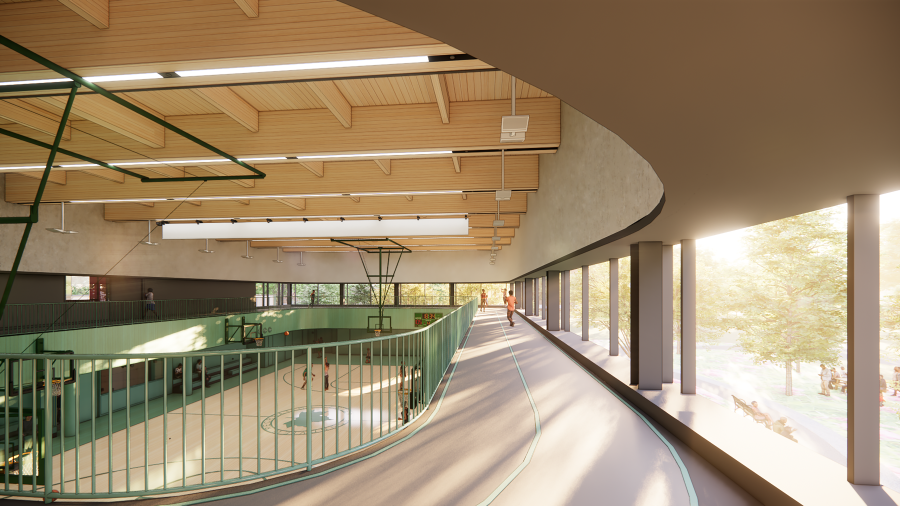
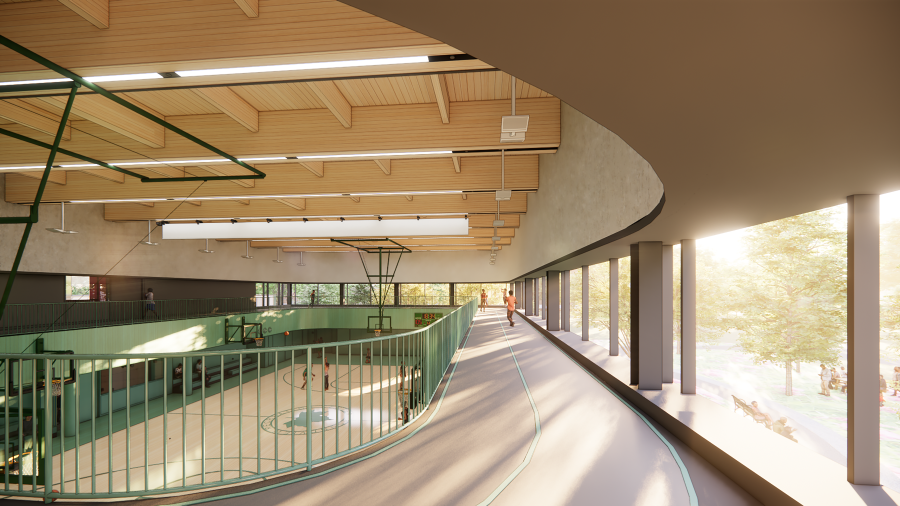
The Soundview Recreation Center in the Bronx was selected for the second cohort
of the NYC Mass Timber Studio. Soundview Recreation Center | Rendering Credit: Snøhetta
Feature Story
Competing Materials Follow SLB’s Playbook

Improving Efficiency and Impact with AI
Lumber Gains Share in a Softening Market
Jump to these stories.
Want to read more SLB stories?
Expanding Urban Lumber Demand
A partnership with C40 Cities is expanding the program’s reach by building a pipeline of future Accelerator Cities. Through this collaboration, C40 has convened a cohort of 13 U.S. cities—drawn from its network of C40 member cities and additional non-member cities identified jointly with SLB—to build knowledge and capacity around timber-based construction, including code and fire-safety pathways, workforce implications, and regional supply chain opportunities. One of two planned study tours for city officials has been completed, with an in-person workshop for city delegates still to come. The goal is to identify candidates from within this cohort that are well-positioned to become future SLB Accelerator Cities, extending the program's reach well beyond what direct funding alone could support.
The recently released Accelerator Model Blueprint provides the framework for converting that interest into action. Rather than spreading resources evenly across multiple markets with differing levels of opportunity, the SLB is prioritizing cities where early wins are achievable and long-term lumber demand is most likely to grow.
This disciplined approach ensures SLB investments are directed toward cities with the greatest potential to convert projects, influence surrounding markets, and generate sustained incremental lumber demand.
Candidate cities are evaluated on five factors: public-sector readiness, private-sector capacity, stakeholder network strength, market conditions, and alignment with SLB and USDA priorities. The strongest markets have active development pipelines, committed local champions, capable project teams, receptive code and fire officials, and opportunities to demonstrate and repeat light-frame, hybrid, and mass timber systems
at scale.
The SLB’s Accelerator Cities strategy is designed to turn local construction opportunities into measurable, repeatable lumber demand. By working directly with states, cities, and municipalities, the program reaches projects during planning and design, when structural material decisions are still being made, while also addressing the permitting, code, fire-safety, and market barriers that can prevent wood projects from being constructed.
The results demonstrate the model’s effectiveness. Initial programs in Boston, New York City, and Georgia helped advance millions of square feet of potential wood construction. New and continuing accelerators in Portland, Oregon; Santa Monica, California; and New York City are now building additional project pipelines across multifamily, mixed-use, commercial, and civic construction. Most recently, the Alabama Forestry Foundation launched the Alabama Mass Timber Accelerator in August to support mass timber projects in the affordable multifamily and industrial segments. In all, the programs combined $1.8 million in funding from the USDA Forest Service, the U.S. Endowment for Forestry and Communities, and regional partners with $325,000 from the SLB.


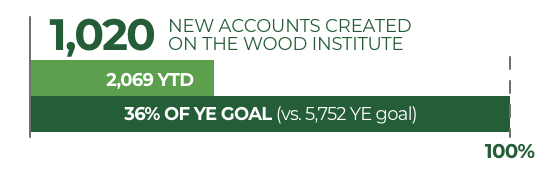
Wood Institute Surpasses Engagement Goals
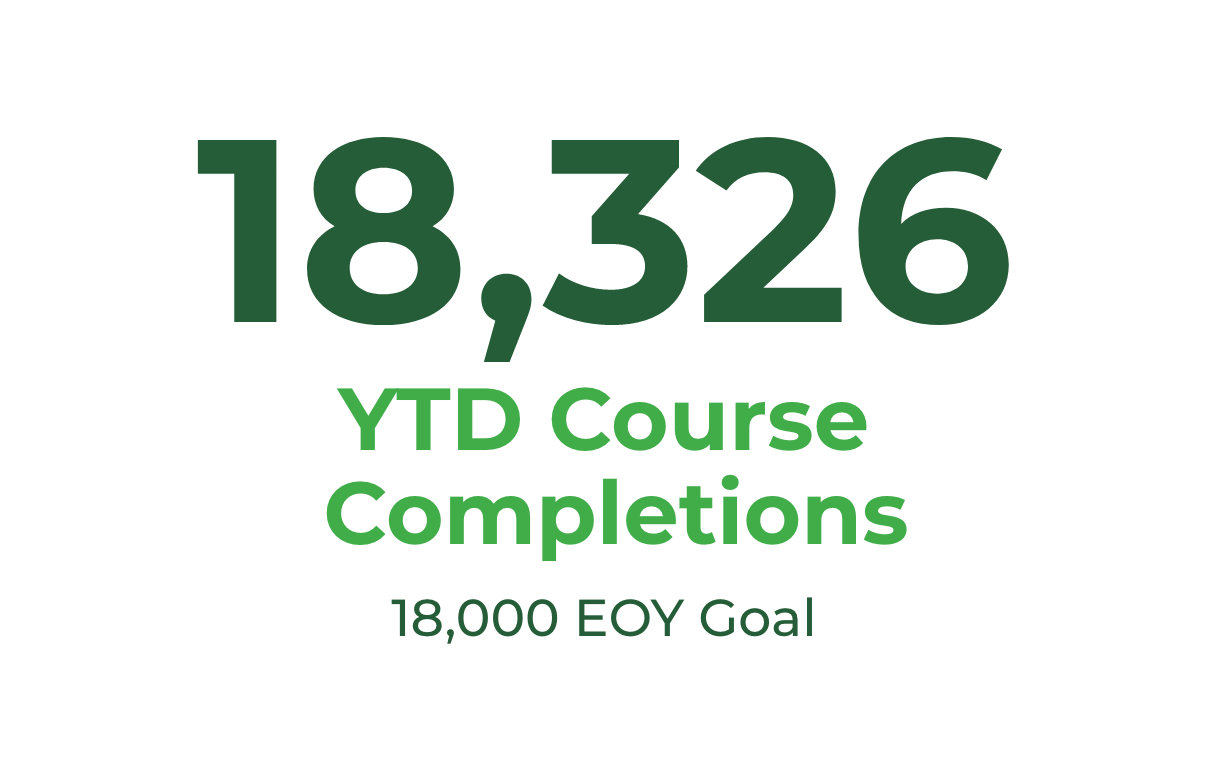
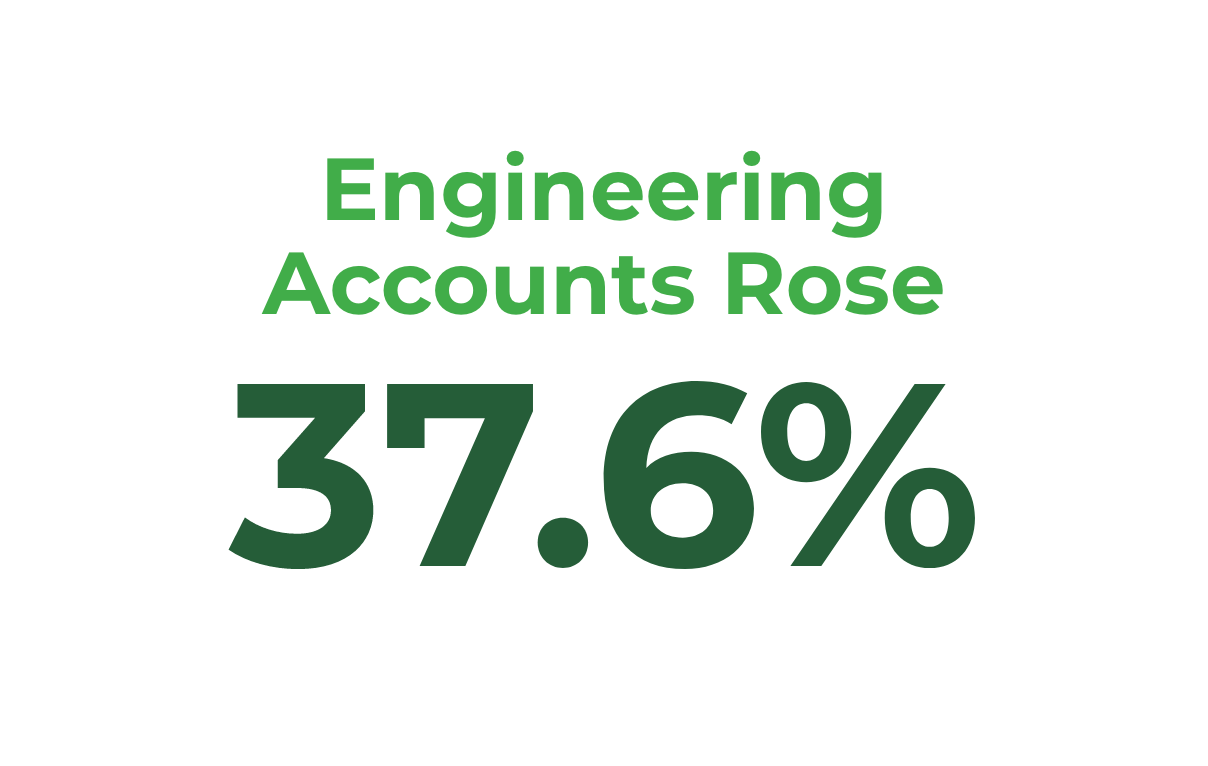
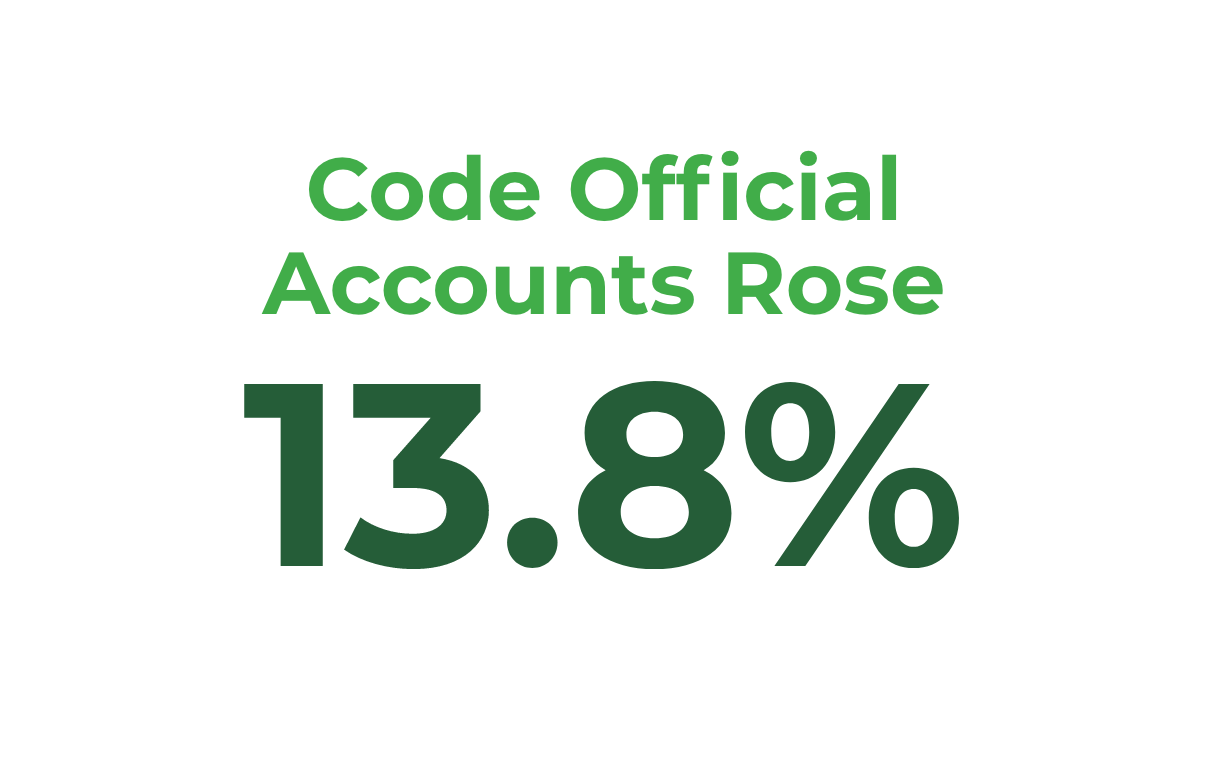
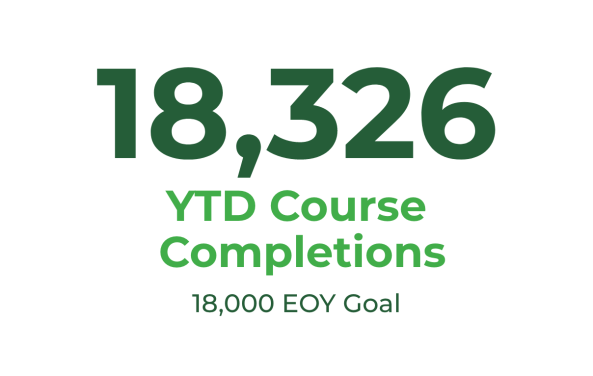
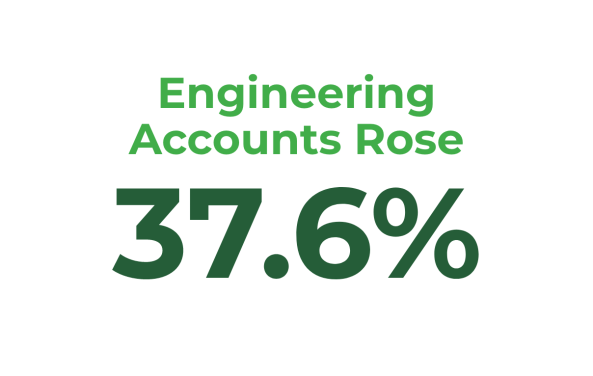
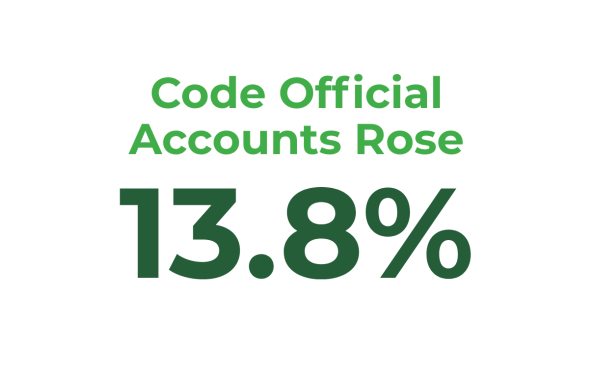
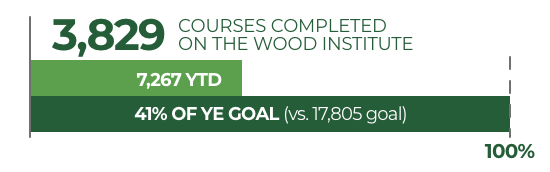
The Wood Institute is on track to surpass its annual course-completion goal, reaching a forecasted 18,326 completions against a target of nearly 18,000. Growth came despite lower paid media spending, while new engineer and code official accounts rose 37.6% and 13.8%, expanding engagement among key decision-makers who enable greater wood use.

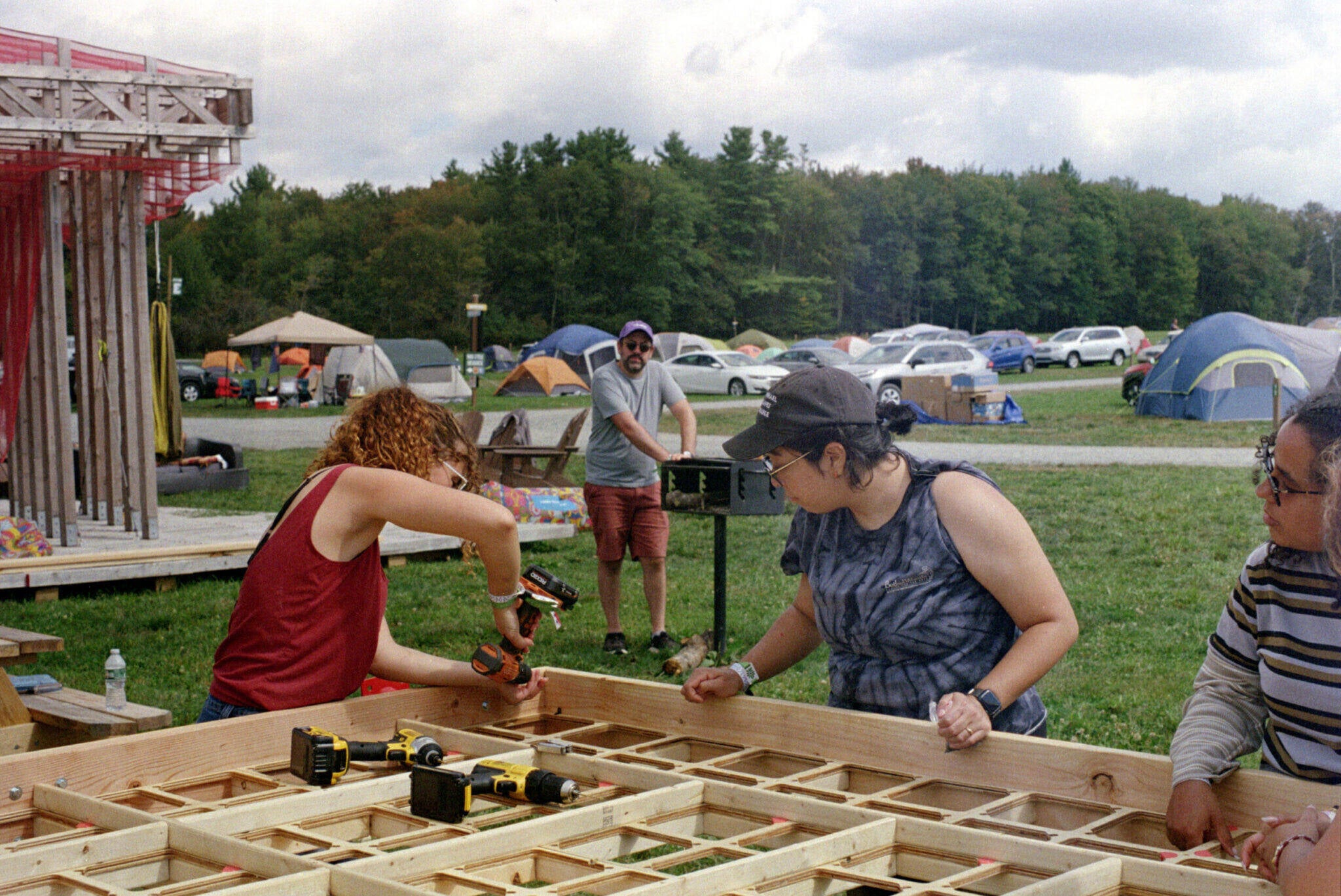
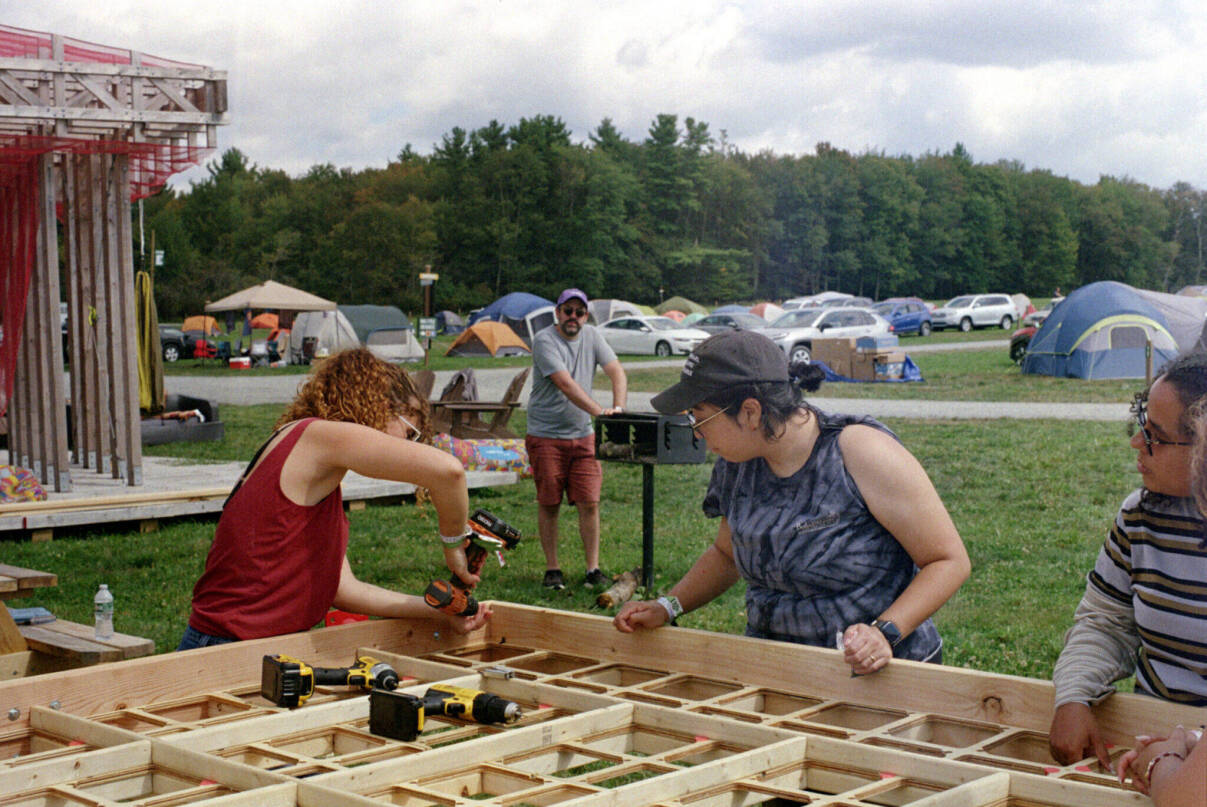
BuildFest | Photo Credit: Fabio Castellanos
BuildFest Engages Nation’s Top
Architecture Schools
BuildFest, an SLB-sponsored national student design-build program focused on full-scale wood construction, attracted 33 team submissions from leading architecture schools, including Harvard GSD, Cornell, and UCLA. Ten teams were selected to build installations this September at Bethel Woods, where 150 participants will gain hands-on experience in wood design, fabrication, and construction.
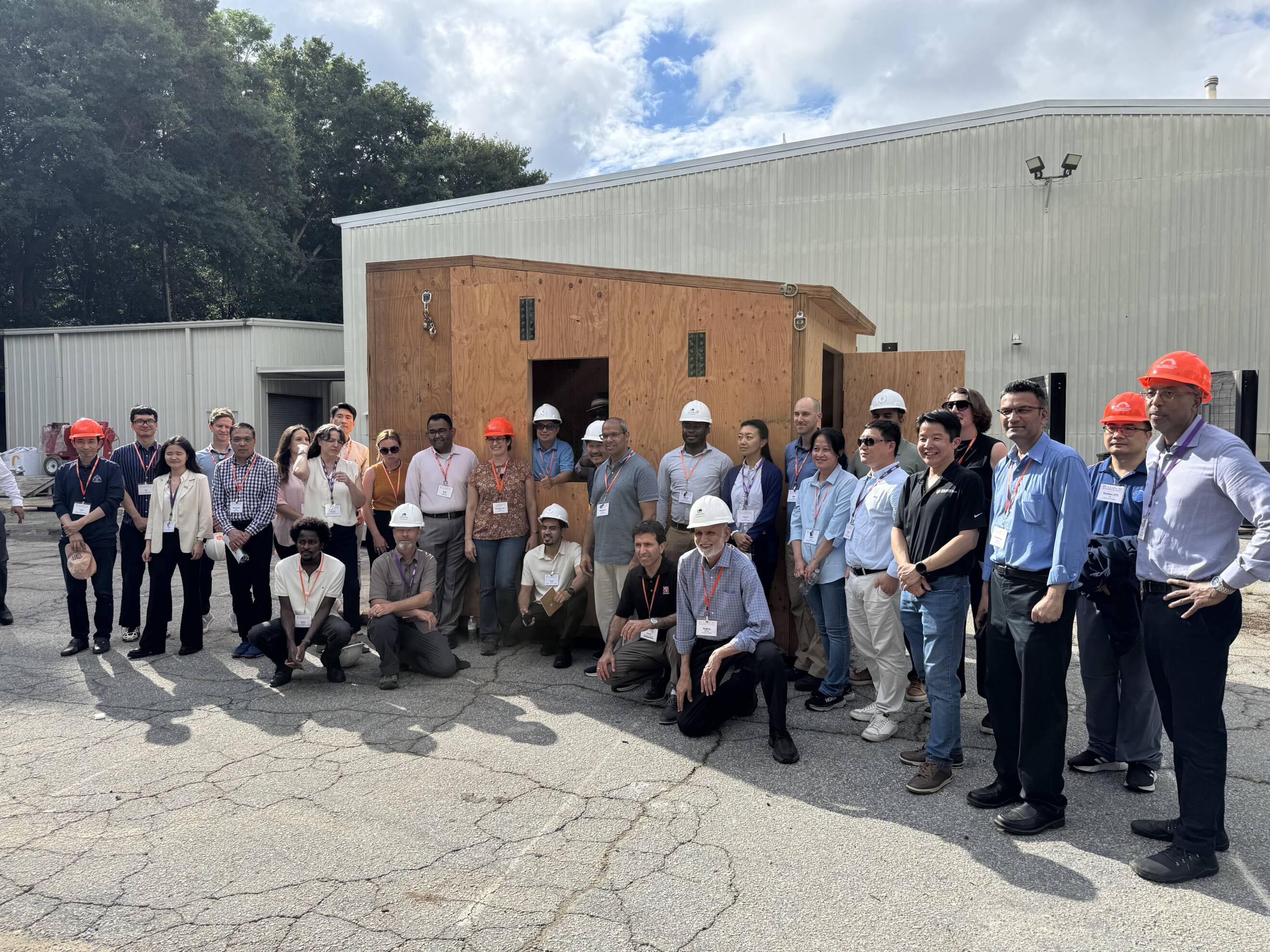
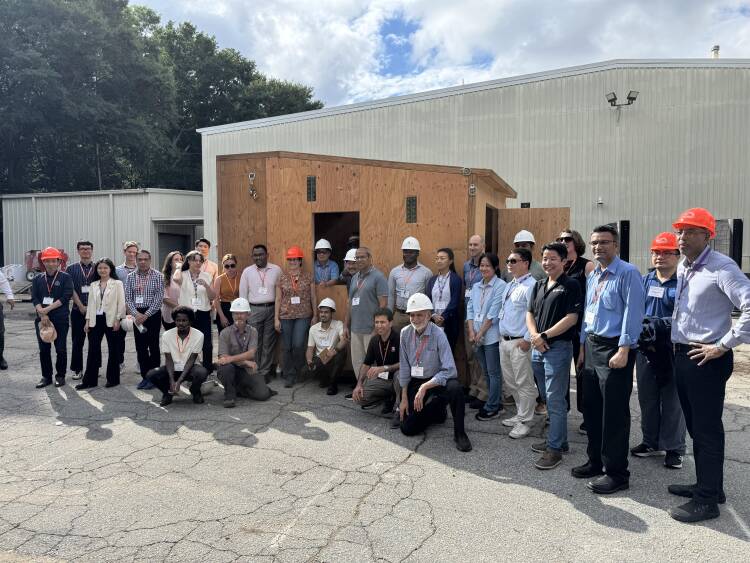
The Clemson faculty workshop included visits to Clemson’s Experimental Forest and mass timber buildings, along with a tour of Timberlab’s fabrication facility in Greenville, South Carolina.



The SLB will convene administrators at ACSA’s 2026 Administrators Conference to advance wood and mass timber education across university curricula.
for Future Wood Demand
Student Center at
Portsmouth Abbey School |
Photo Credit: Brad Feinknop
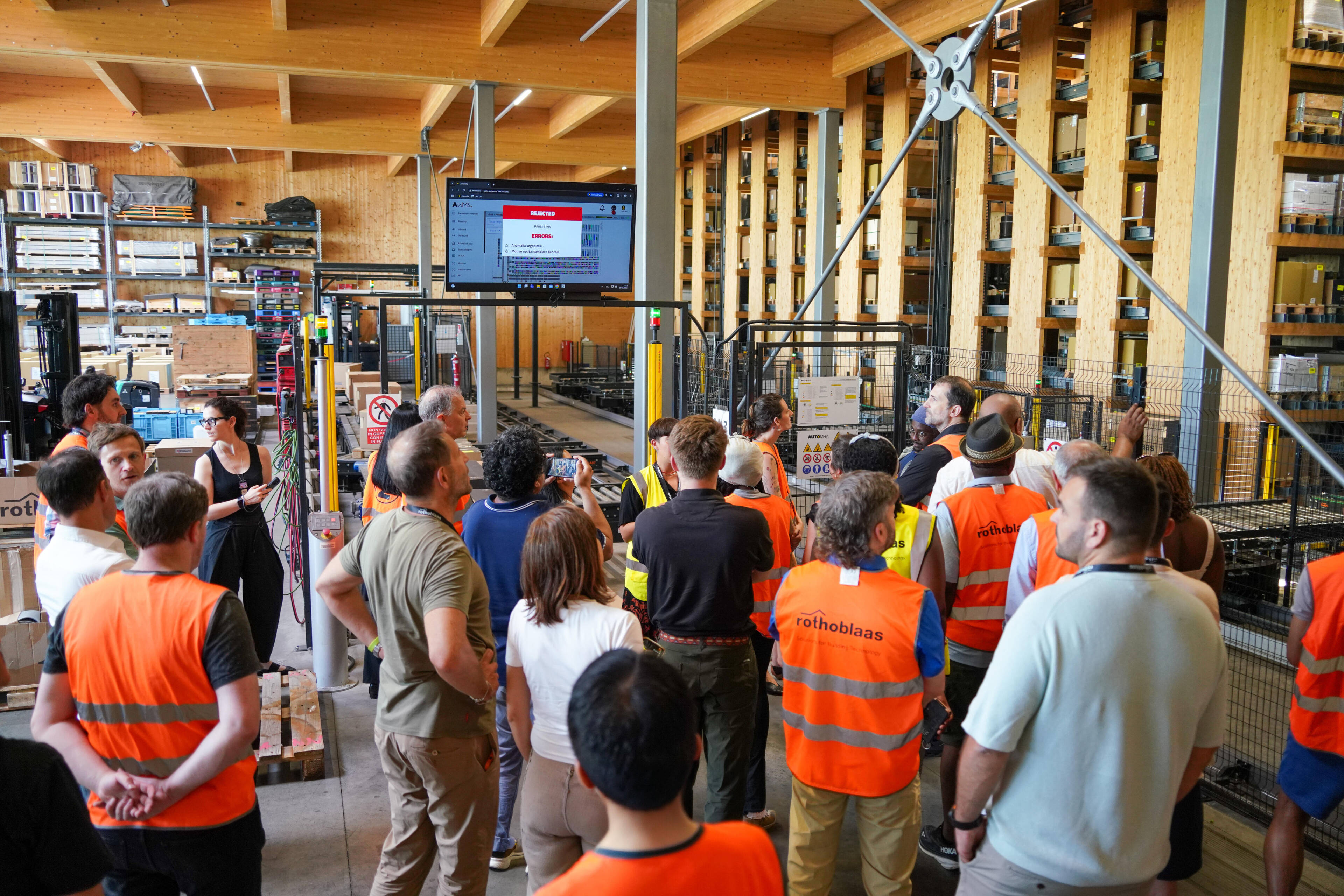
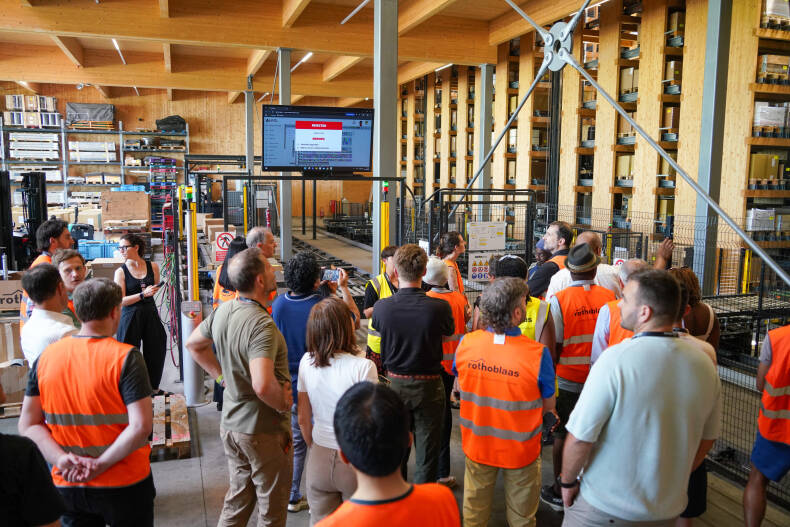
At Clemson University, 30 engineering faculty received technical instruction, teaching resources, hands-on activities, and direct exposure to wood fabrication, and a similar portion of respondents said they plan to increase wood-focused course content. A third workshop, hosted with Rothoblaas, reached 35 participants at a cost per attendee 27% below the average of the five workshops planned for 2026. Two upcoming workshops are expected to engage another 65 faculty.
Strong faculty demand for these workshops shows room for further investments to create even greater impact. The Rothoblaas workshop was expanded from 30 to 35 participants after the SLB received 84 applications. A future workshop at the University of Washington has also been expanded after the SLB received 81 applications for 30 spaces. While limiting the number of spaces allows the workshops to provide more attention to attendees, the high demand is a testament to the interest among postsecondary institutions in expanding wood design coursework and to SLB Education’s workshops delivering the right resources to the most relevant audiences.
SLB Education’s student and faculty engagement and continuing education activity continue to show strong annual growth, expanding the number of future and current practitioners equipped to consider lumber earlier in design and construction.
Faculty development has been a major driver of that growth. Year to date, 95 faculty have participated in three workshops, already surpassing the 75 engaged during all of 2025. Participants represent 72 architecture, engineering, and construction programs across the United States. Each trained faculty member can carry their new wood design expertise into multiple courses and successive student cohorts, multiplying the long-term return on the SLB’s education investment.
At a workshop at Auburn University, 30 architecture faculty from 28 institutions followed the wood value chain from sustainable forestry and lumber production through CLT manufacturing and completed mass timber buildings. All survey respondents reported greater knowledge and confidence, while 83% said they plan to expand wood content during the next academic year. Those curriculum changes are projected to expose more than 1,000 additional students to mass timber annually.


on the Wood Institute
on the Wood Institute
and Emerging Professionals
Feature Story

WoodWorks is testing agents that identify potential projects and draft profiles for the WoodWorks Innovation Network, reducing manual data entry while improving consistency.
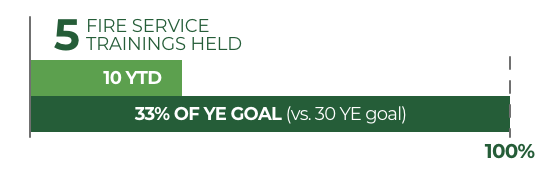
SLB Education used AI to research all 77 ACCE-accredited construction management programs, compiling information that can help guide future education and workforce investments.
At the AWC, 21 documented AI-assisted work products saved an estimated 184 staff hours, valued at more than $15,500. Applications included converting a complex engineering calculator, accelerating code research, and extracting data from 10 Environmental Product Declarations for carbon-storage analysis.
Together, these efforts demonstrate how responsible AI adoption can lower overhead, improve insight, and make every industry dollar work harder.
Artificial intelligence is delivering measurable returns across the SLB and its funded programs. New tools are cutting costs, reducing hours of repetitive work, and turning complex data into faster, more actionable insights, freeing more resources for the industry’s central objective: growing demand for lumber.
The SLB has moved its quarterly executive dashboard and annual return on investment reporting into AI-enabled tools. This shift is expected to reduce human error and save approximately $120,000 annually, freeing those dollars for market-development initiatives.
The SLB also converted FEA’s 2026 Construction Market Outlook into a custom GPT, providing funded programs and partners a simpler way to access and apply its underlying market data.
Think Wood launched a beta AI agent that brings campaign data into a chat-based interface, reducing the time required to answer many performance questions from hours to seconds. As the tool develops, it is expected to identify trends, strengthen KPI planning, and help direct campaign resources toward activities delivering the greatest return.
Access in the 2027 I-Codes
These outcomes matter because model codes establish the legal pathways that states and local jurisdictions rely on when approving building systems. Preserving favorable language protects existing lumber markets, while new provisions make it easier for designers, engineers, and code officials to use wood with confidence.
The AWC is also working to ensure its core design standards remain referenced in the 2027 codes. The 2027 Special Design Provisions for Wind and Seismic (SDPWS) has entered public review, while updated seismic research is strengthening wood-frame construction’s position in high-seismic regions.
Together, these wins protect wood products and building systems from unnecessary restrictions, expand recognized applications, and provide a stronger code foundation for future lumber demand.
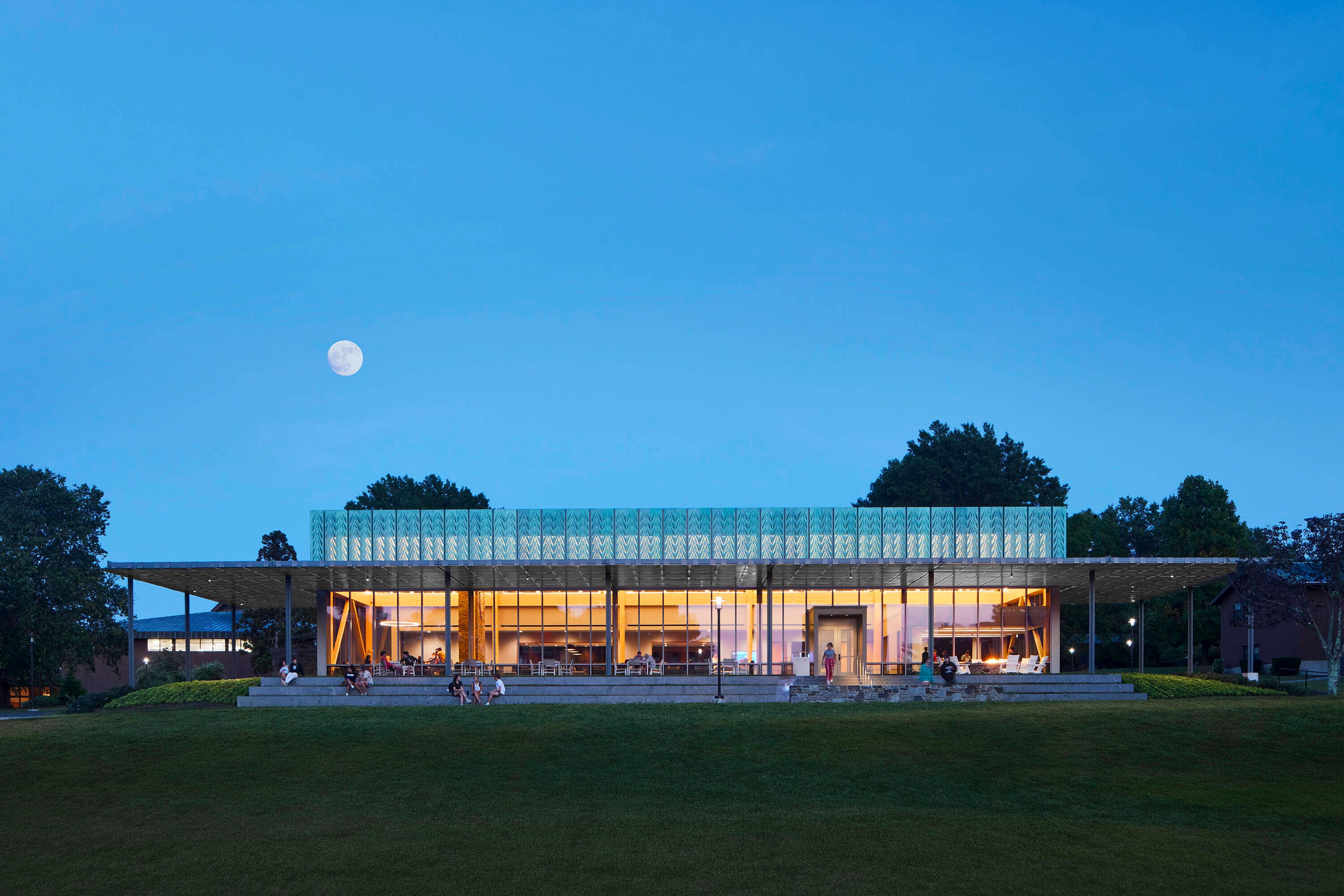
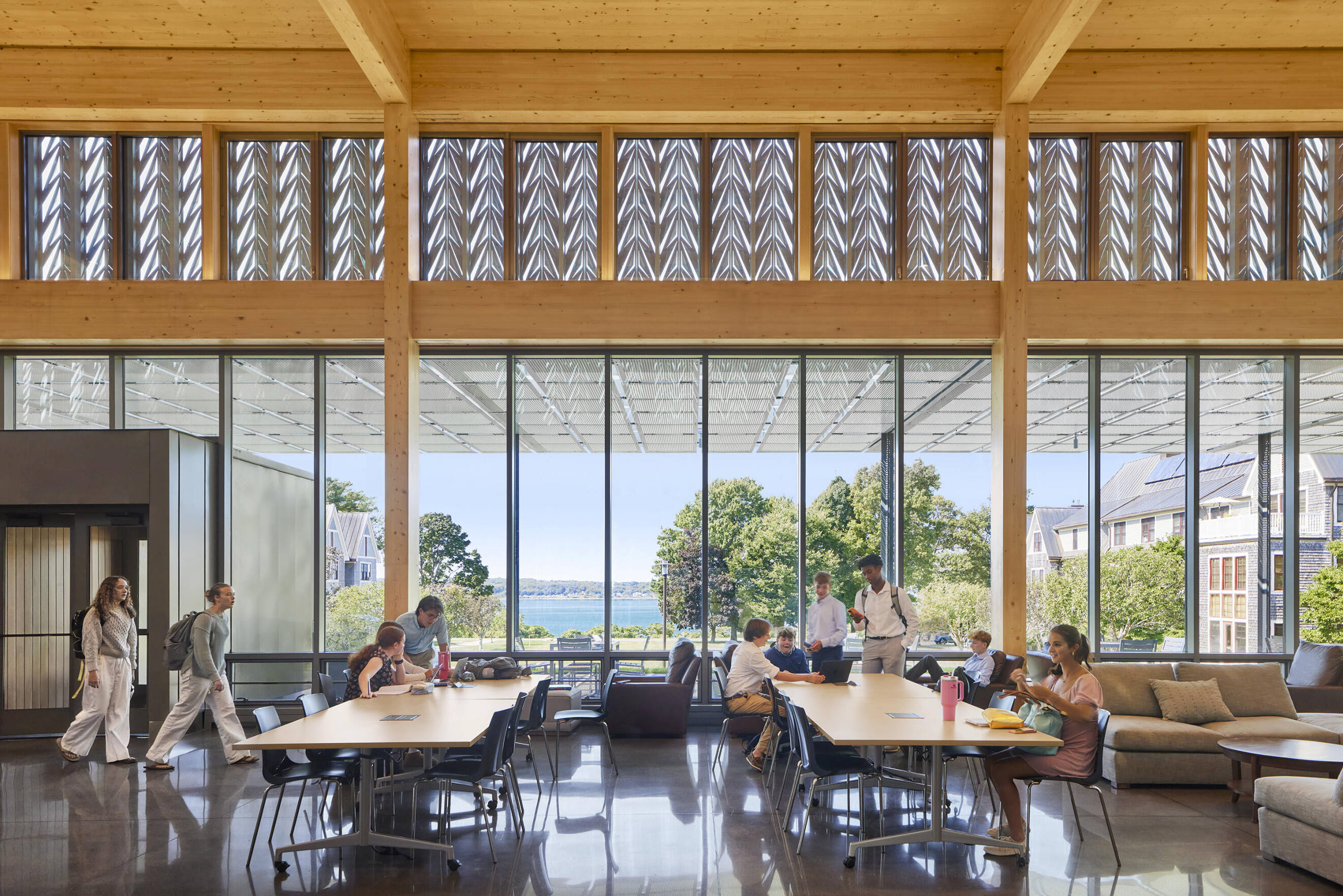
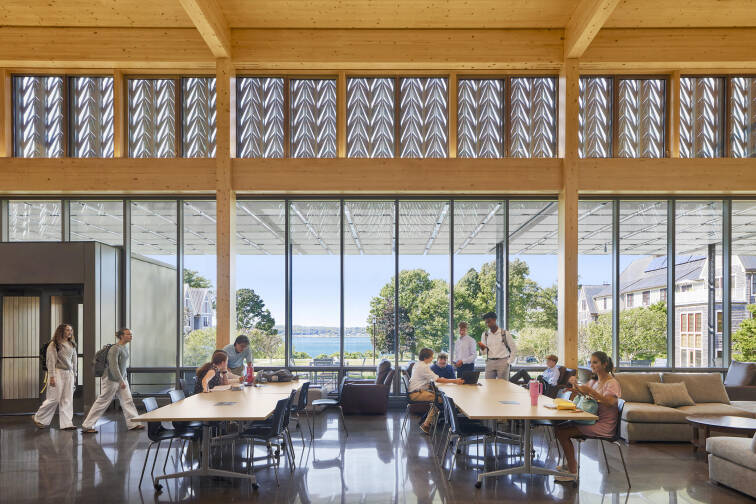
Student Center at Portsmouth Abbey School | Photo Credit: Brad Feinknopf
The 2027 I-Codes cycle closed with every wood-favorable outcome secured by the AWC in prior hearings still intact, protecting lumber’s standing in construction and preserving new opportunities for expanded use nationwide.
Among the most important results, the AWC helped defeat a concrete-industry proposal that would have reduced the amount of exposed wood permitted in Type IV-B mass timber ceilings. Other restrictive proposals were also blocked, including changes that could have complicated code adoption or limited material options in wildland-urban interface construction. With final governmental consensus voting complete, those proposals are now off the table for the 2027 codes, pending routine confirmation by the International Code Council Board.
At the same time, several AWC-backed changes that expand wood use were approved. The 2027 codes will recognize the AWC’s Fire Design Specification as an option for determining acceptable heavy timber sizes, add new provisions for salvage lumber, update span tables for lumber headers and rafters, and strengthen recognition of wood-based floor framing and platform construction.
State Mass Timber Code Adoption Expands
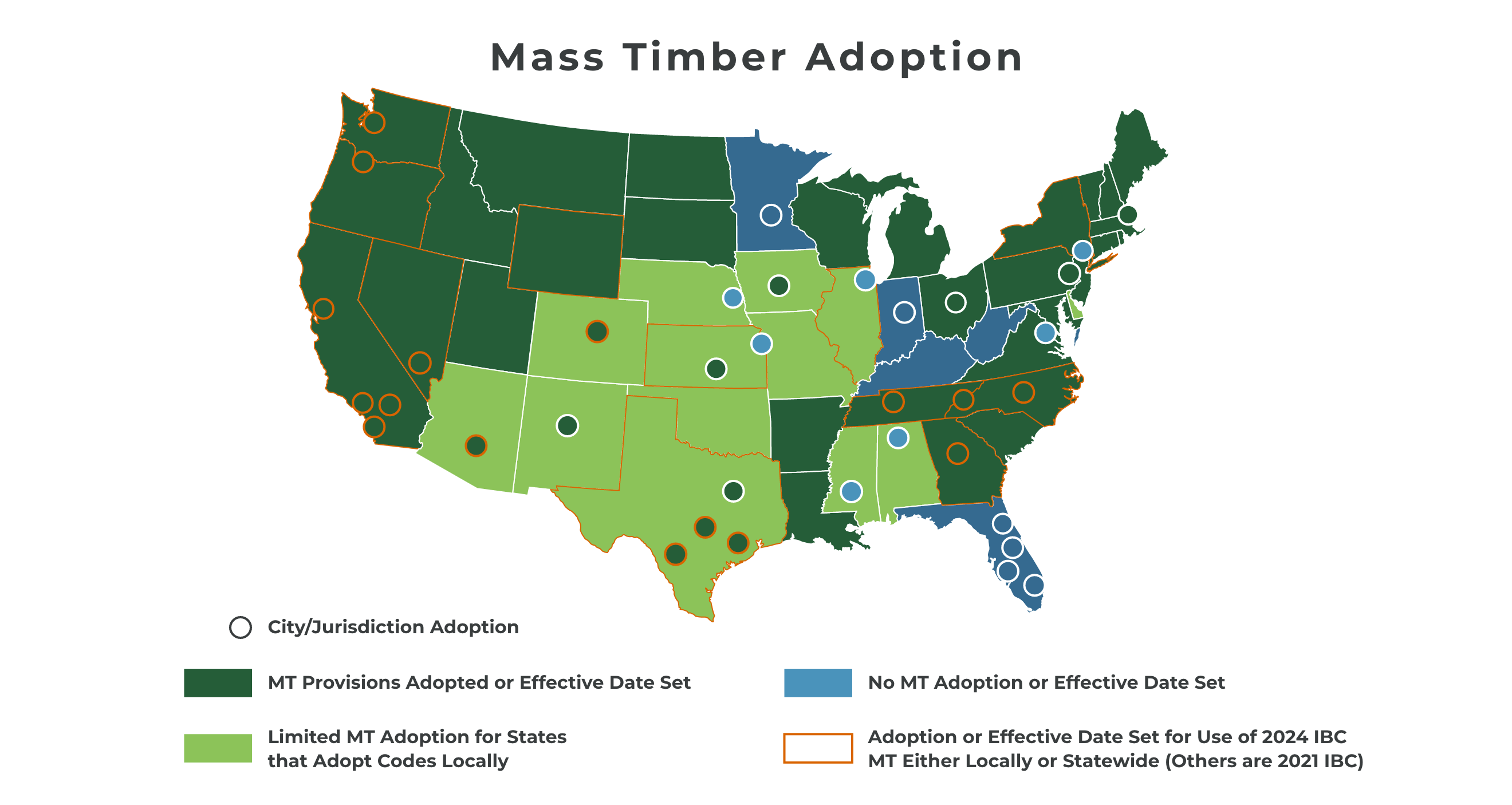
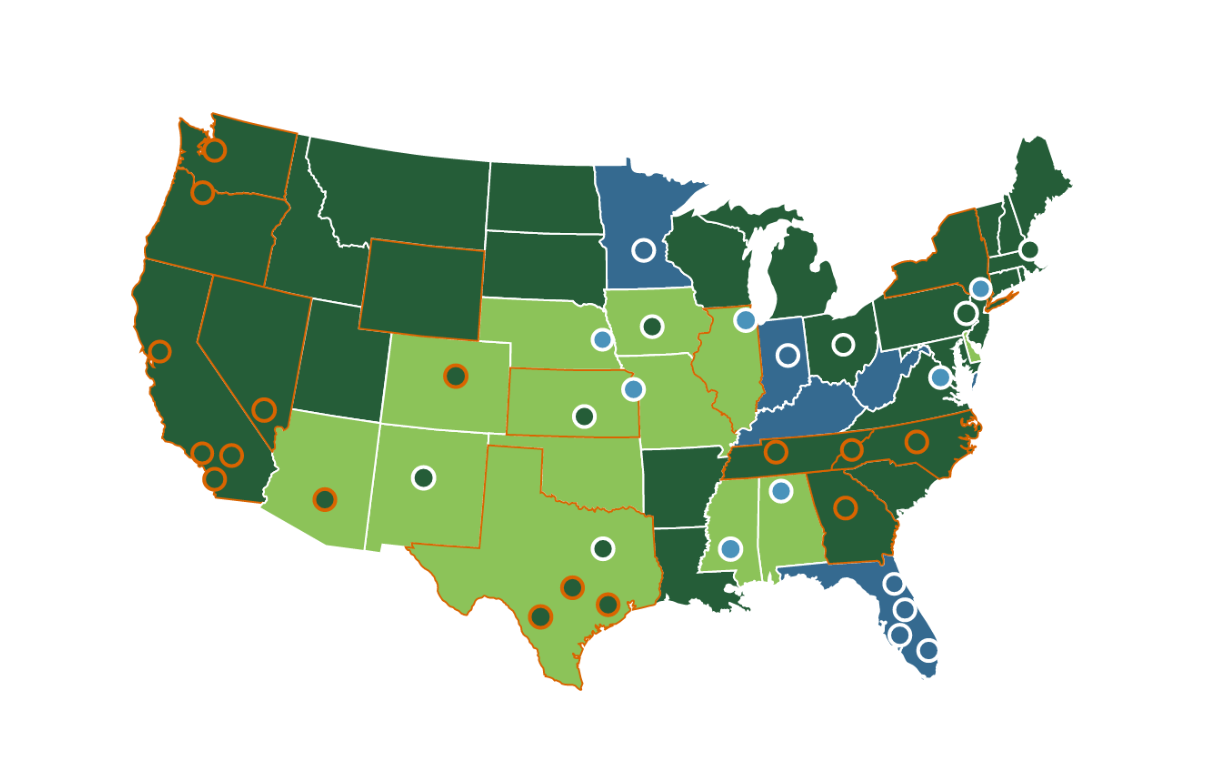
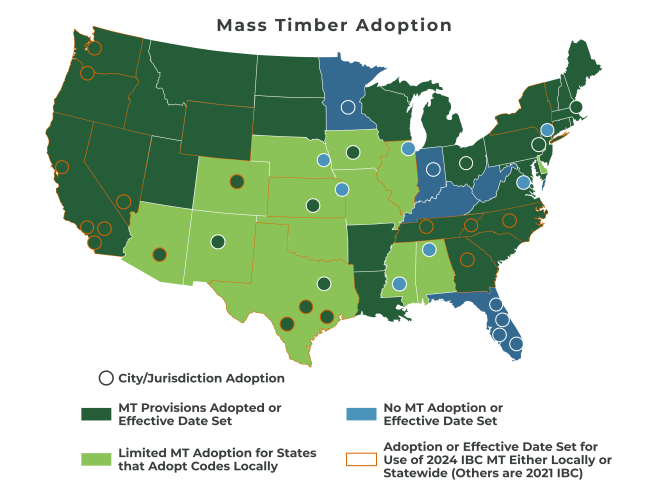
Oklahoma’s adoption of the 2024 IBC brought mass timber provisions to 31 states and 14 additional states with adopting jurisdictions. Georgia further strengthened market access by moving its existing provisions into the main body of its code, making them more durable and reinforcing continued progress toward broader nationwide code adoption.
Seismic Data Strengthens Wood’s Code Position
The AWC’s updated seismic performance data for wood-frame shear walls was adopted into NEHRP provisions and has influenced the development of ASCE 7-28. By showing wood systems can meet the highest performance targets, the work helps prevent future seismic requirements from limiting wood use and protects access to earthquake-prone markets.

The AWC will use member and Board input to prioritize the technical, code, standards, and regulatory initiatives with the greatest potential to protect and expand lumber markets. Share your feedback and priorities with the AWC.

Rothoblass Workshop
Trainings Held
held
Hours Logged
Feature Story
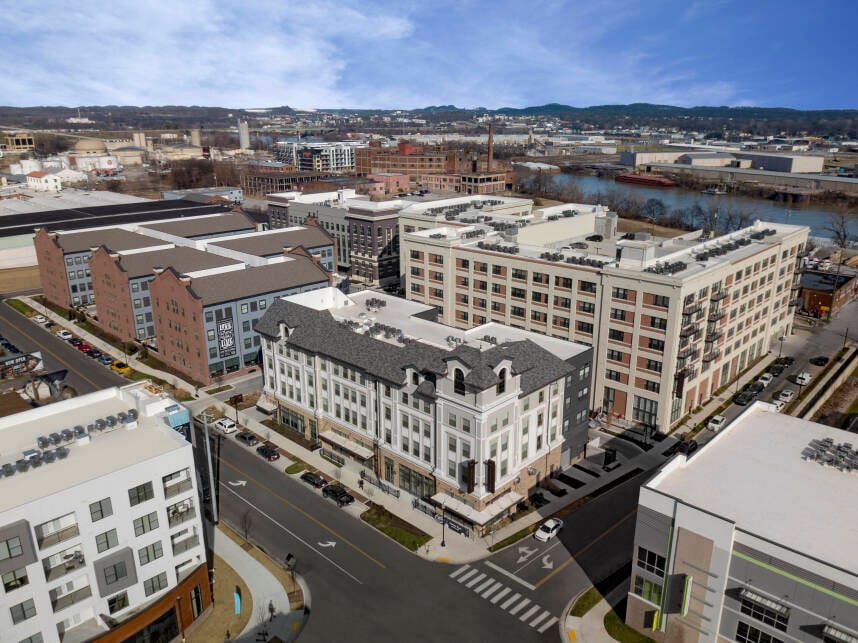
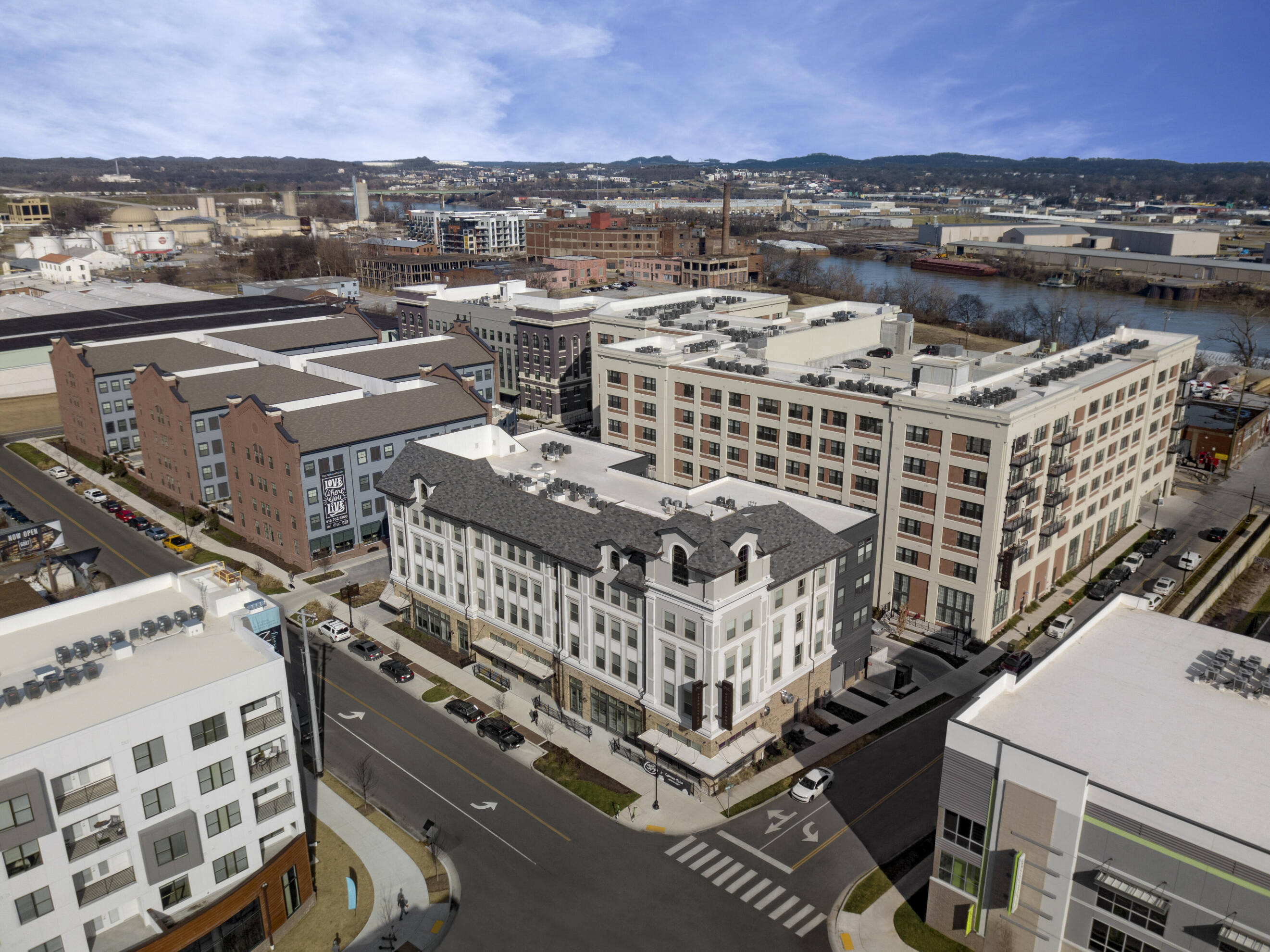
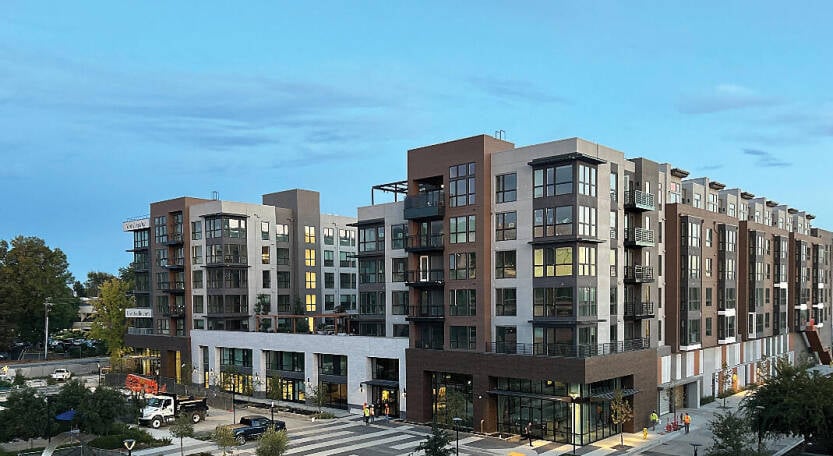
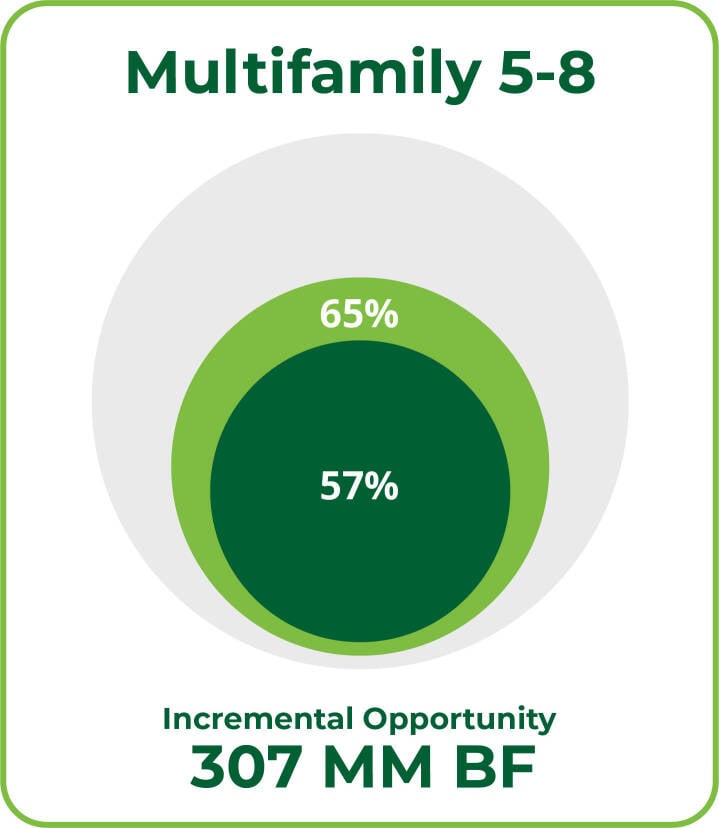
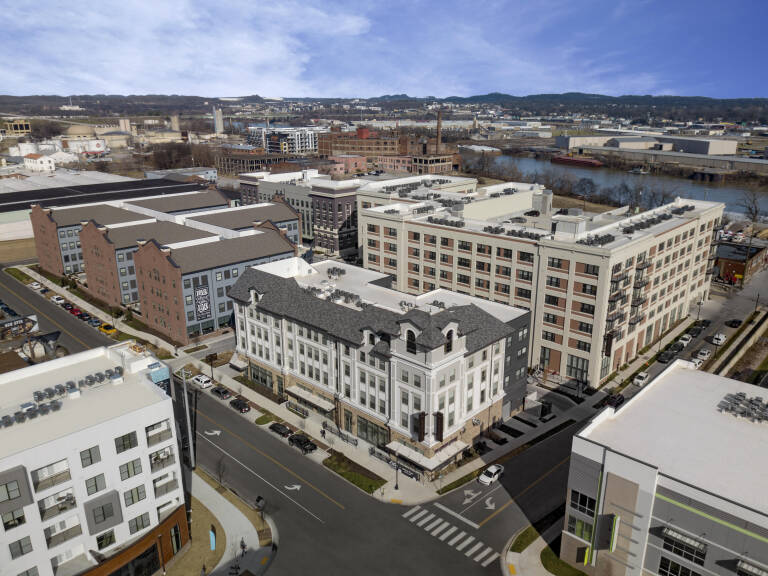
Mid-rise multifamily projects of 5-8 stories, like those included in LC Germantown, represent an annual incremental lumber opportunity of 307 MM BF by 2035. | Photo Credit: Nick McGinn
in a Softening Market
The most immediate opportunity is in multifamily housing. Affordability pressures continue to support rental demand, while mid-rise construction rebounded in 2025. Multifamily starts are up 15% in 2026 after growing 17% in 2025, according to AIA. The 21st Century ROAD to Housing Act, which became law in July, may also help remove barriers to new construction. Wood already holds a strong position in multifamily buildings, including a 63% share in five- to eight-story construction, where light-frame, hybrid, and mass timber systems can all compete.
For lumber demand, the key trend is not simply how much gets built, but where wood is gaining ground. The SLB will be including market share as a core KPI starting in 2027 to measure the current market and activity going forward. The SLB is prioritizing cities with the most opportunity for growth, reinforcing cost and speed advantages, and advancing hybrid systems that compete directly with steel and concrete. Investments by the SLB and its funded programs are helping lumber demand grow in the commercial, educational, mid-rise multifamily, office, and taller residential segments that represent some of the largest opportunities to convert future construction into incremental softwood lumber volume.
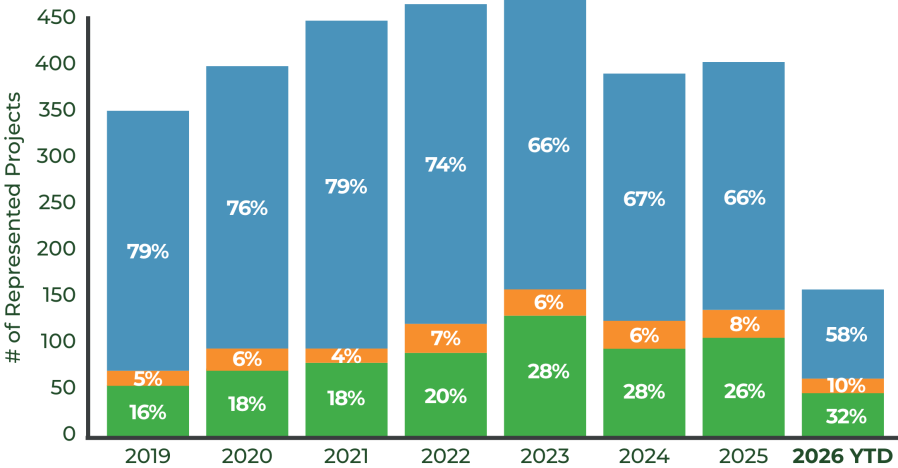
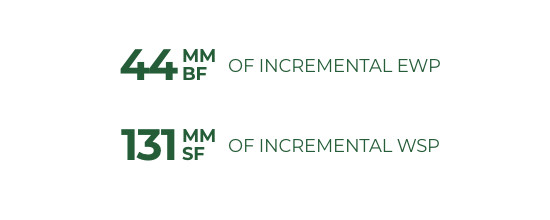
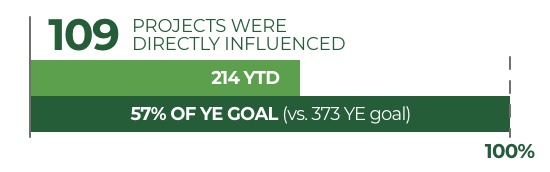
WoodWorks reported 109 converted projects in Q2, making it the fourth straight quarter with more than 100 projects converted. The average size of converted projects in both Q1 and Q2 was substantially higher than at the end of 2025, with an average 2026 project size of 135,000 square feet, up 27% from 106,000 square feet in 2025.
Several large multifamily and student housing projects collectively increased the area. A continuing trend of larger multifamily projects going to construction would be a very positive sign for the market overall and for the outlook of WoodWorks' reported projects. The tall wood market also continues to move forward, with at least one tall wood project breaking ground each quarter over the past 12 months. With WoodWorks supporting more than 200 tall projects in design, tall wood represents another positive signal for a return to market growth.
While overall U.S. multifamily and nonresidential building activity has softened to 1.7 billion sq. ft. in 2025 from the peak in 2022 at 2.3 billion sq. ft., wood continues to capture a growing share of the projects moving forward. Over the same period, wood’s share of construction rose from 33% to 40%. That shift helped wood construction remain comparatively resilient even as the broader market contracted.

in Large Light-Frame Projects
Firm-wide training builds future capacity. Project-specific assistance helped a design team address structural, acoustic, and fire challenges on a five-story multifamily development while increasing its ability to deliver larger light-frame buildings on future projects.
Type III education expands regional expertise. Training for more than 60 architects, engineers, developers, and building officials strengthened the knowledge needed to support expanding light-frame multifamily markets in the Southeast.
Multifamily 5-8 story projects represent an annual incremental lumber demand opportunity of 307 MM BF by 2035. WoodWorks’ support in this market shows how code expertise and early technical assistance can protect wood specifications, move large projects toward construction, and build the professional capacity needed for repeatable lumber demand.
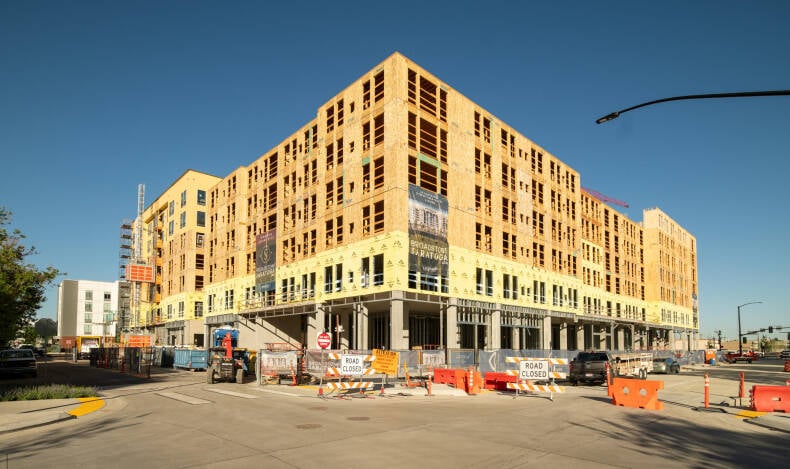
Broadstone Saratoga | Photo Credit: Chad Case Photography
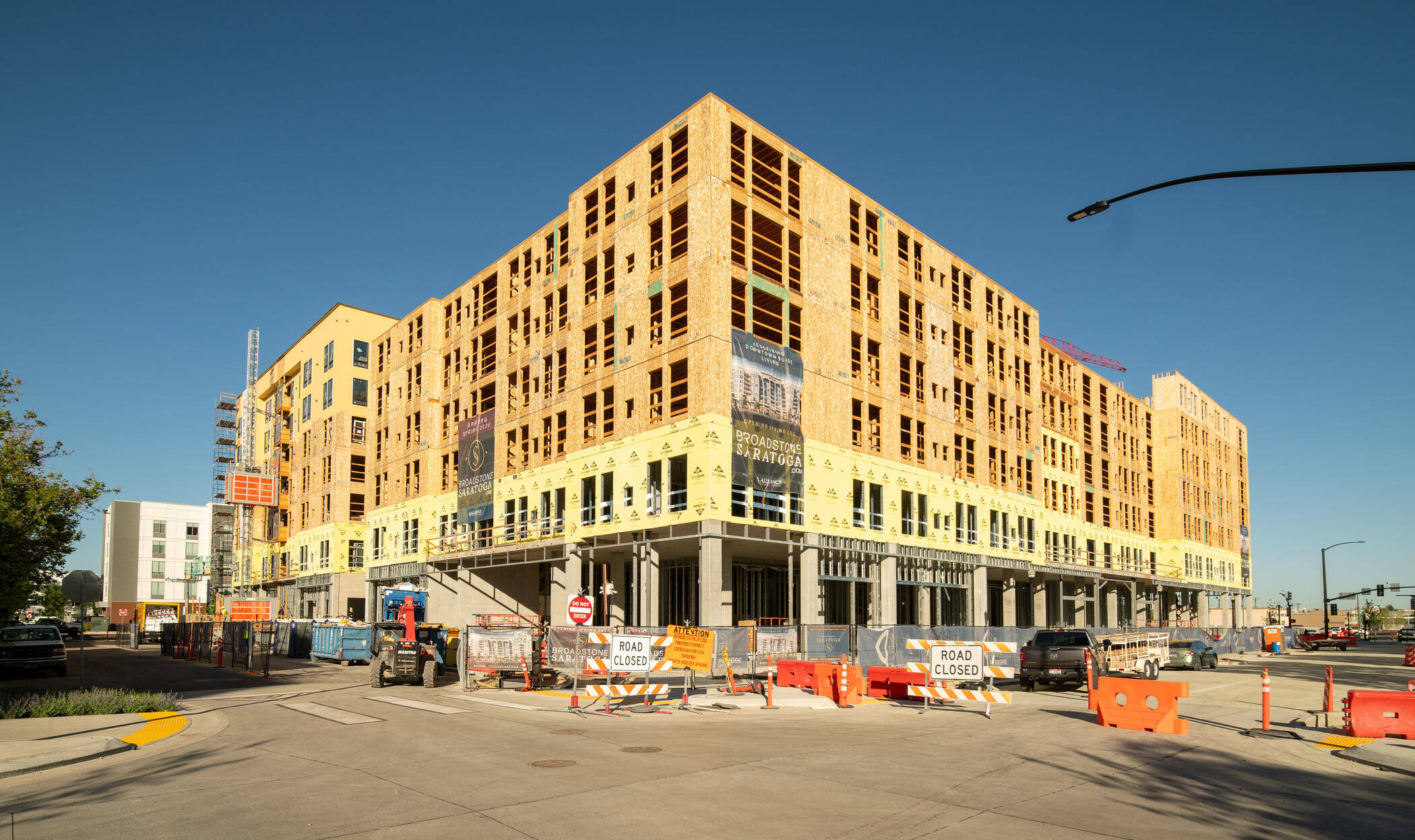
Through project-specific technical support, code interpretation, and early-stage education, WoodWorks enables design teams to confidently pursue mid-rise light-frame and podium-style wood buildings. Light-frame structures represent 47% of the opportunity in the SLB’s long-term strategic plan and, with demand for this construction type continuing to grow, WoodWorks project support is critical to help project teams work through design, code, and structural challenges.
Several Q2 efforts show how targeted technical support is keeping these buildings in wood:
Code guidance keeps a Los Angeles project on track. WoodWorks helped resolve height, area, and fire-resistance questions for a 75,000-square-foot, five-story Type III-A mixed-use building, reducing redesign risk while maintaining the light-frame solution.
Fire wall expertise supports two major mixed-use developments. WoodWorks technical guidance helped engineers coordinate structural and fire-resistance requirements for projects totaling 720,000 square feet in San Diego and Albuquerque, keeping both large light-frame buildings moving forward.

Meta Data Center | Photo Credit: Meta
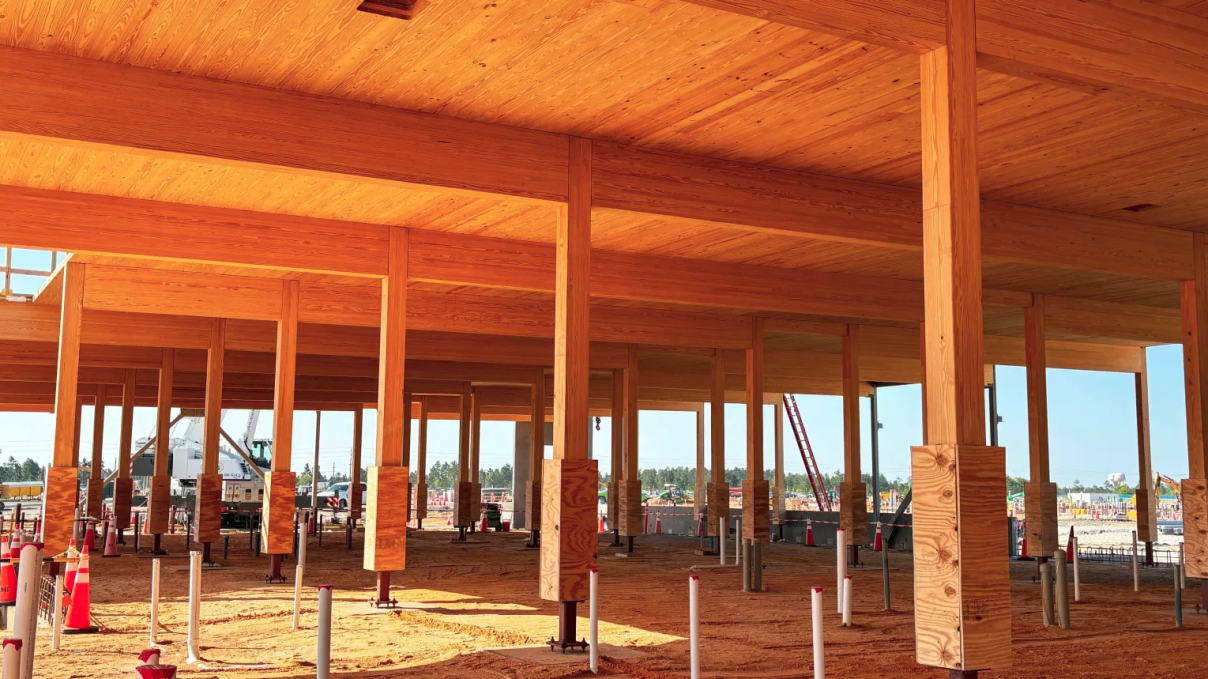
Opening a New Market for Wood in Data Centers
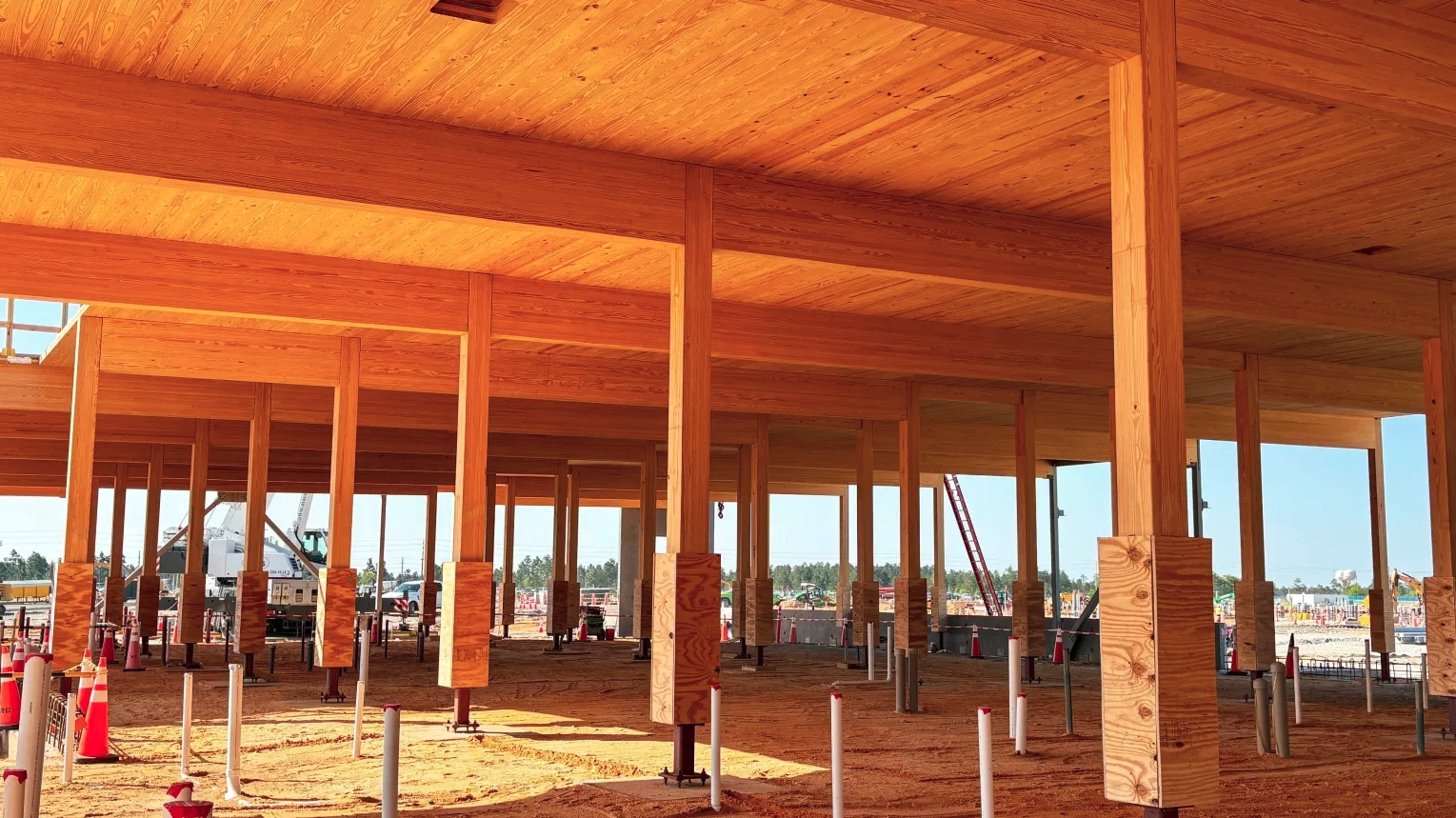
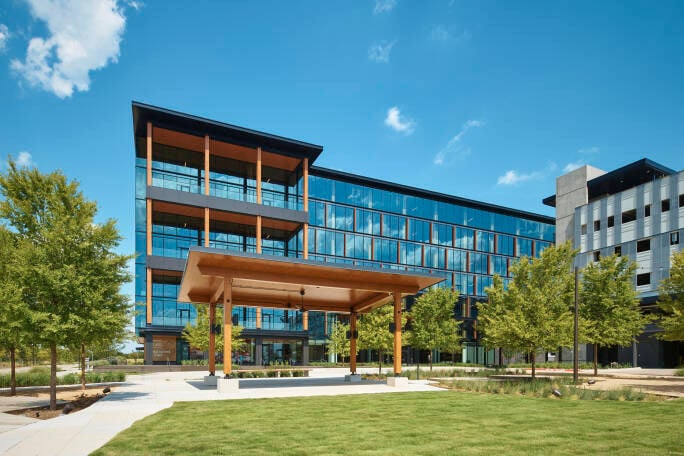
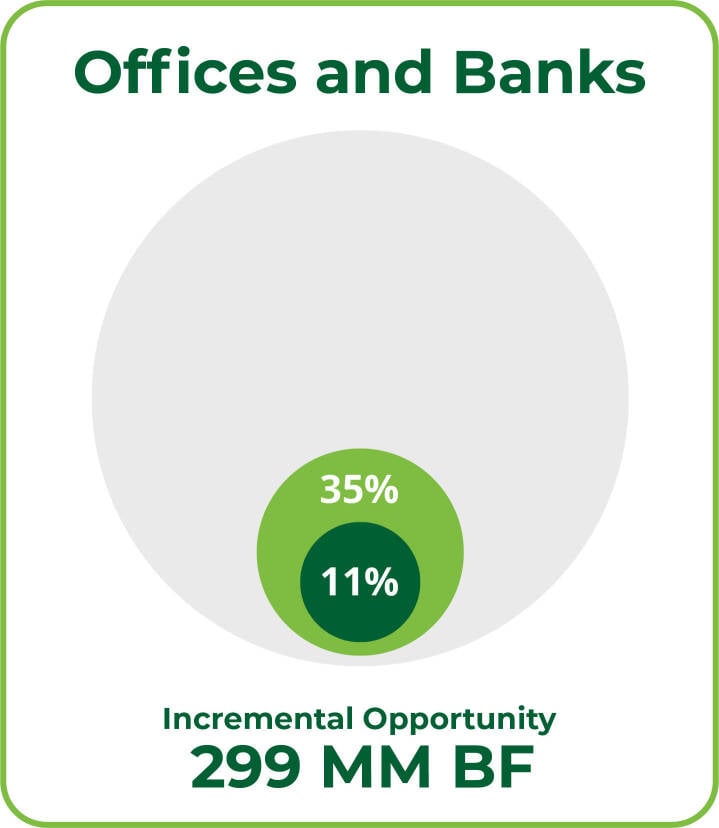
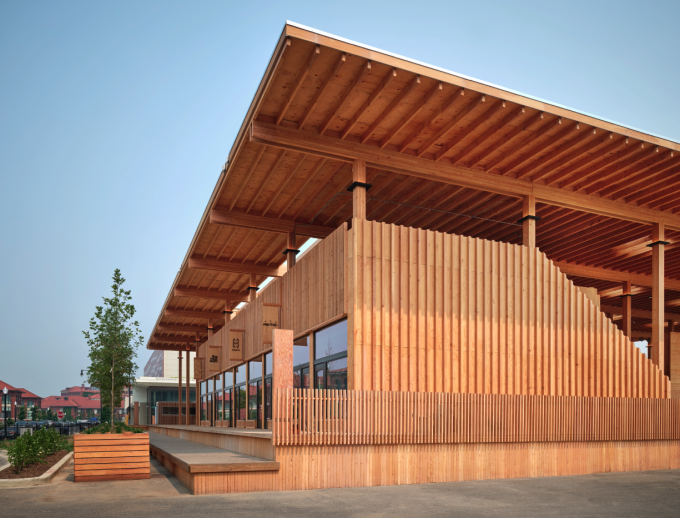
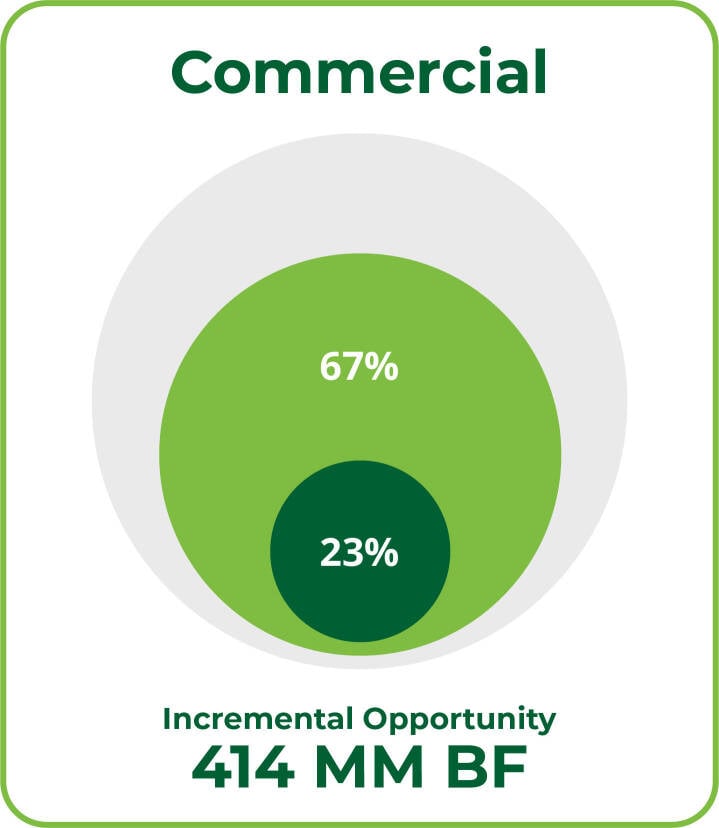
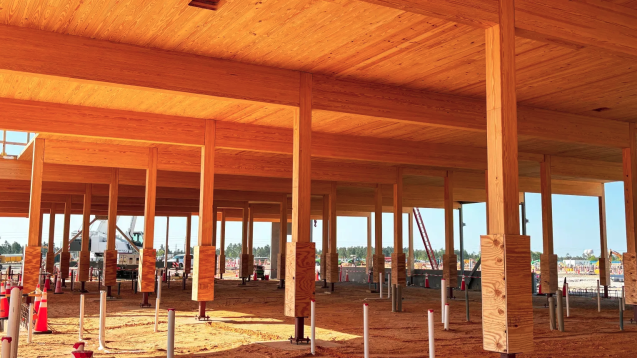
WoodWorks is helping position mass timber for increased use in the rapidly expanding data center sector, part of the overall office segment’s 299 MM BF annual incremental lumber demand opportunity. WoodWorks helped a hyperscale data center team validate the use of CLT skids in a Type II-B building, avoiding a fallback to steel and opening a repeatable wood-use opportunity. Other support for data centers included a prototype in Virginia and a Texas team assessing CLT feasibility.
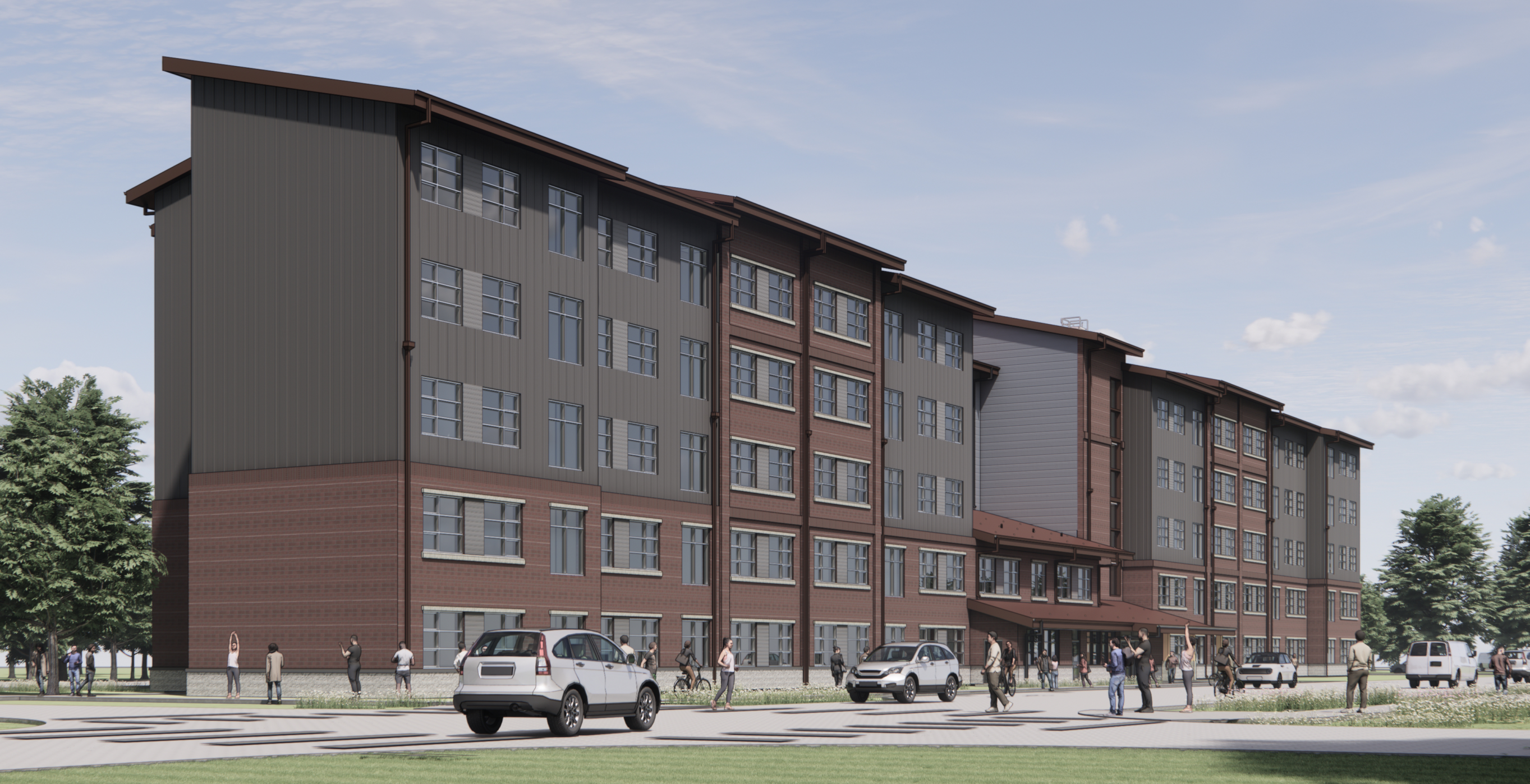
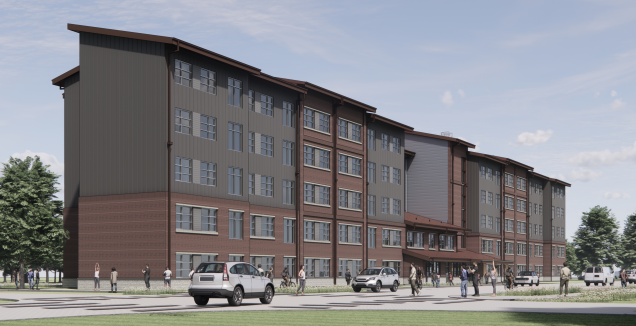
Enlisted Personnel Barracks, Joint Base Lewis-McChord | Rendering Credit: USACE Seattle District
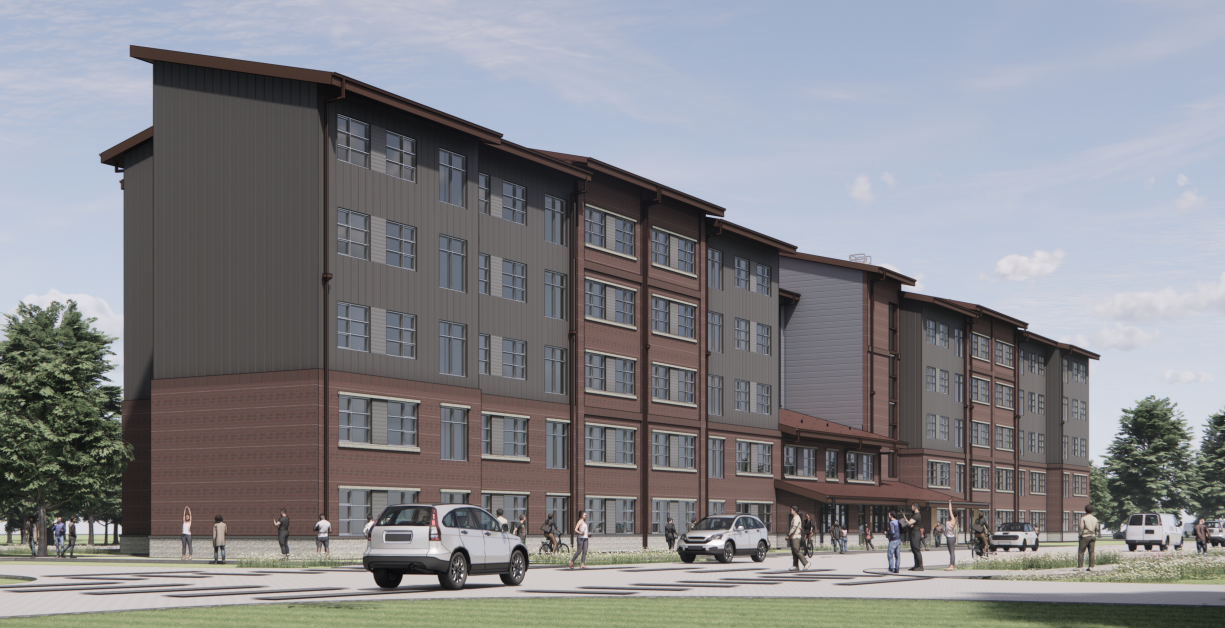
Expanding into Government & Defense Sector
WoodWorks provided technical support for a 200-soldier U.S. Army Corps of Engineers barracks and helped keep mass timber under consideration for a federal wildlife refuge project through a key personnel transition, demonstrating wood's growing foothold in government construction.
With a better gauge on the 2026 market, WoodWorks is forecasting between 388 and 425 project conversions for the year—on the higher range of the year’s original forecast.
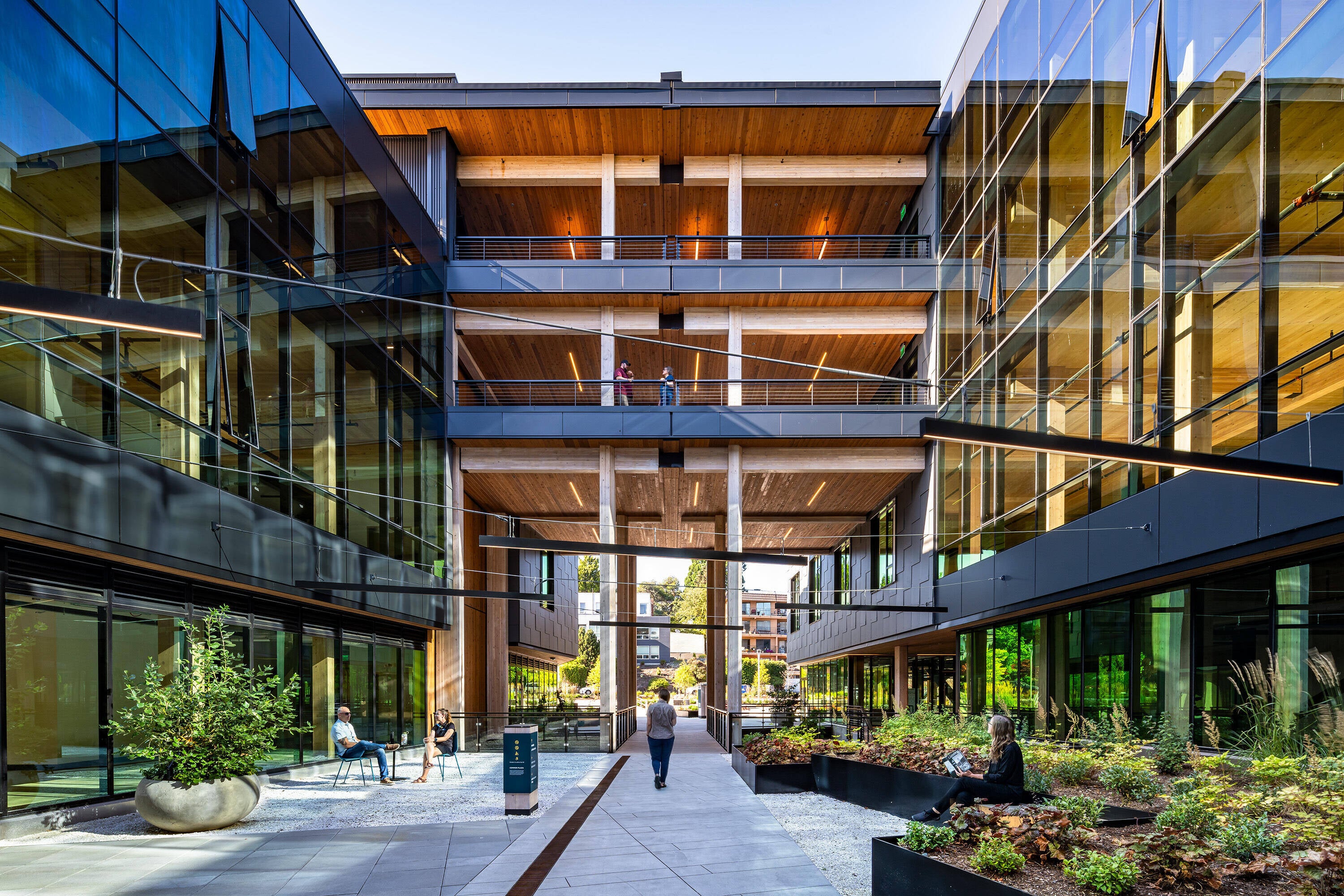
Northlake Commons |
Photo Credit: Meghan Montgomery
SF
BF
BF
SF
Directly Influenced
Hours
Feature Story
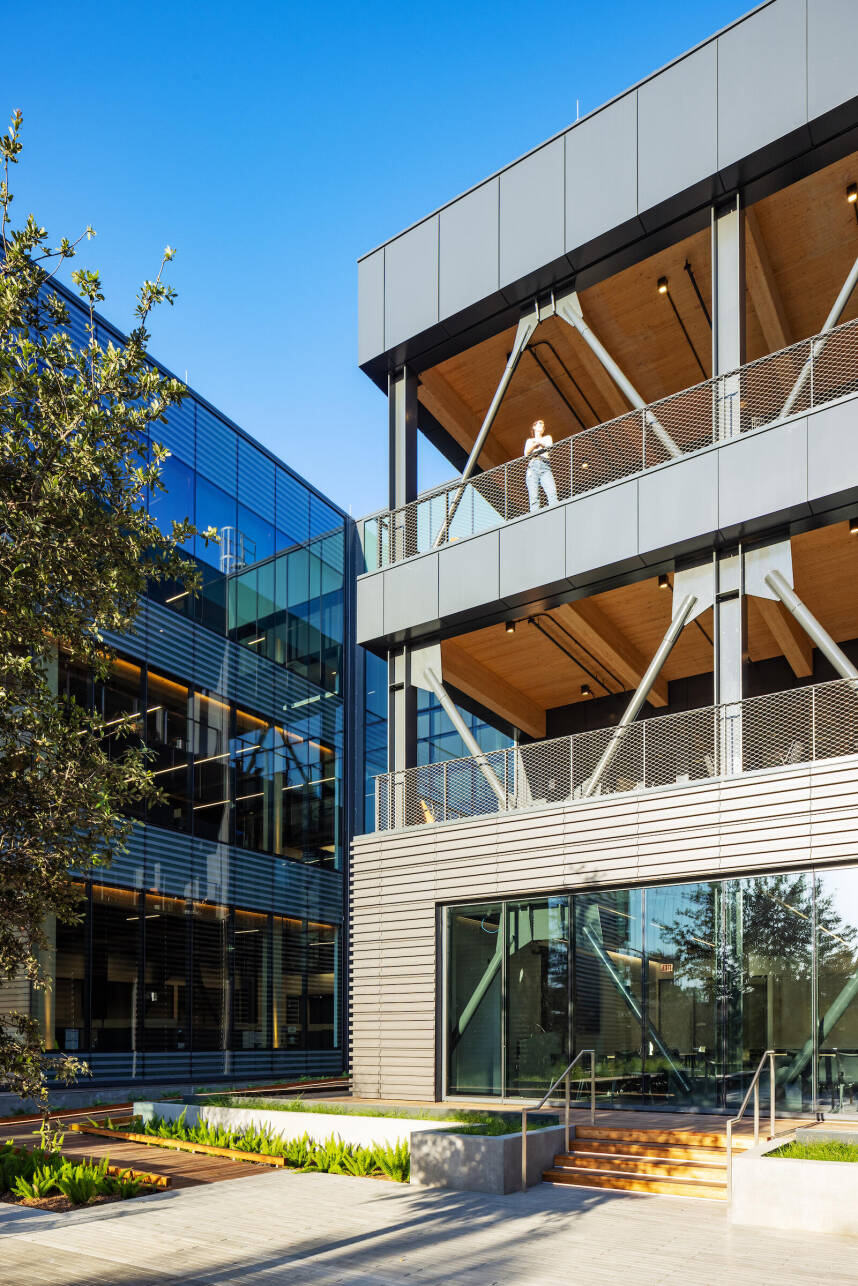
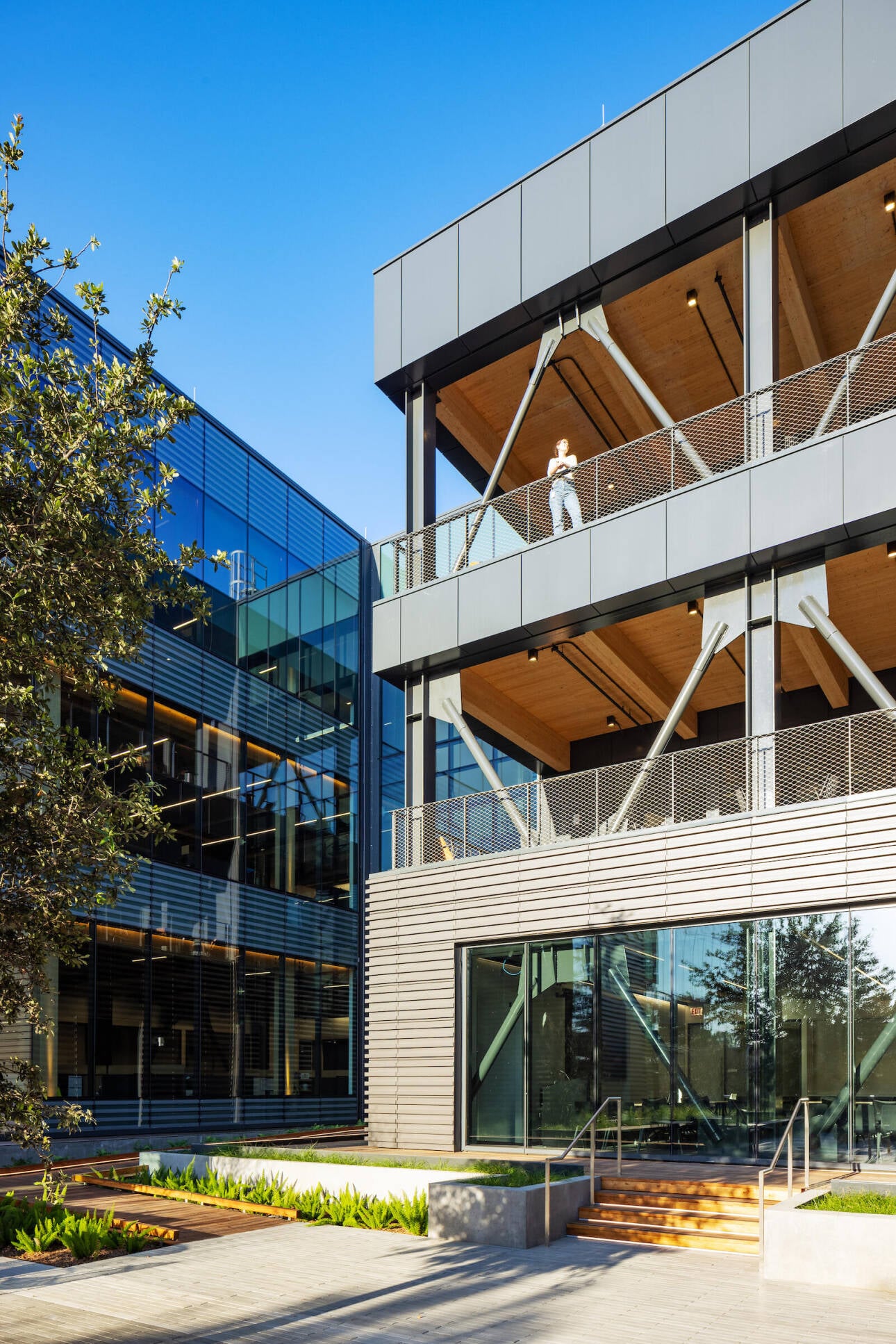
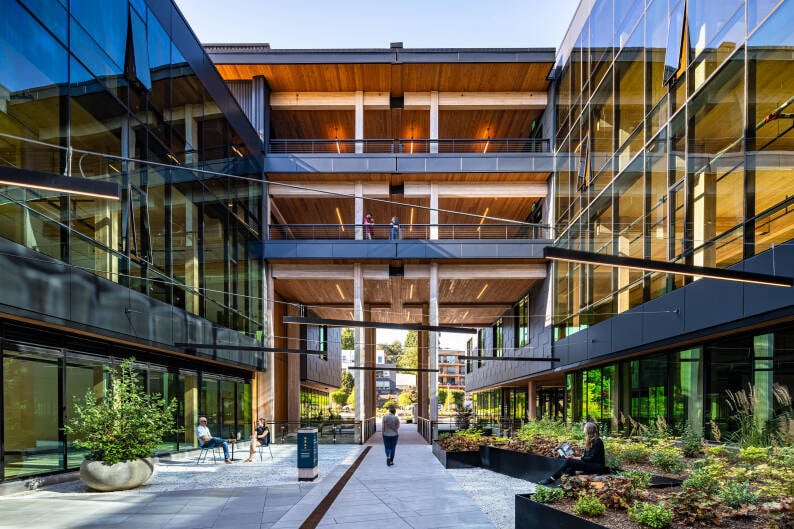
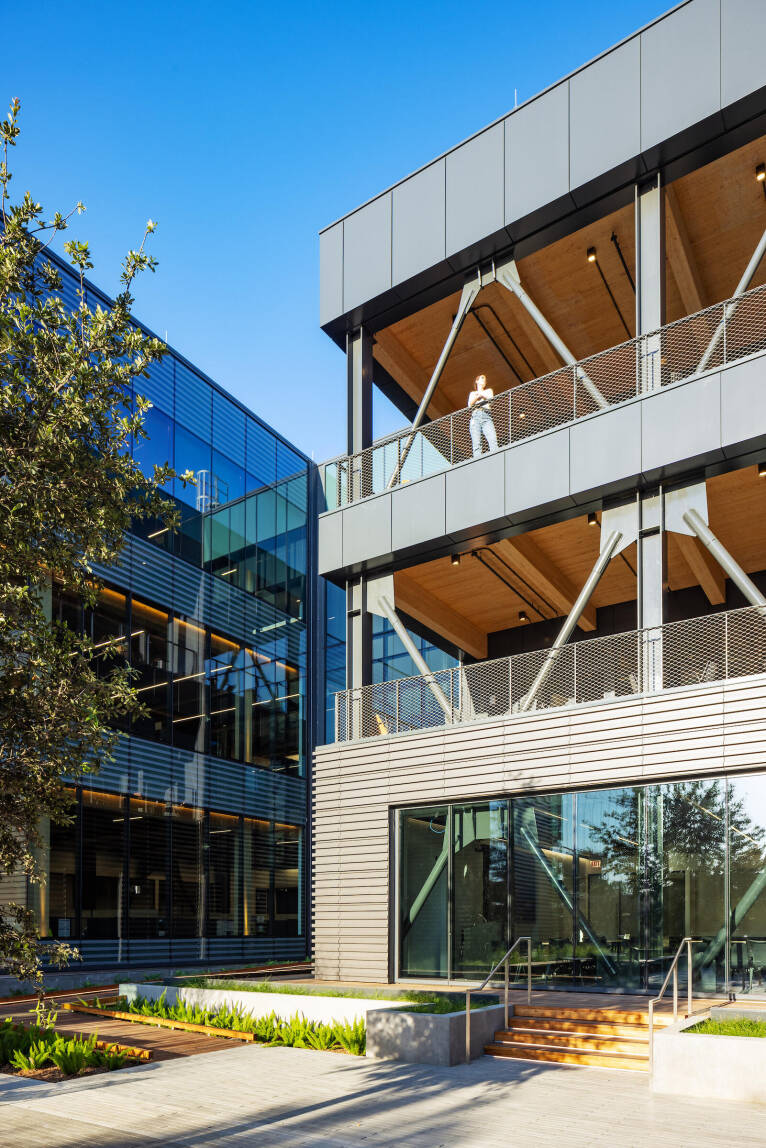
Steel is de-risking its rivalry with wood by embracing hybrid steel-mass timber systems like the one used at HDR’s Orange County Sanitation District Headquarters.
Photo Credit: Dan Schwalm
Follow SLB’s Playbook
Competitors are adjusting their messaging to current market conditions, shifting from generic material-superiority claims toward carbon and sustainability credibility. Concrete is consolidating checkoff-style spend around a growth mandate. Steel is actively de-risking its rivalry with wood by embracing hybrid steel-mass timber systems rather than pushing anti-wood messaging as it has in the past. Here are the highlights the SLB is monitoring:
Carbon and EPD credibility is now table stakes across all
three material categories. Every competitor has stood up a
carbon calculator, EPD update, or net-zero commitment in the
past 24 months.
The competitive landscape now largely mirrors WoodWorks' playbook. Every major competitor now runs a version of the WoodWorks model—webinars, on-demand education, design assistance, field staff—which validates the model but erodes WoodWorks' tactical differentiation over time.
An emerging threat: 3D-printed concrete gains institutional support. A parallel threat outside the traditional materials fight is gaining financial-industry validation: Wells Fargo has become the preferred lender for ICON, a 3D-printed concrete home builder, backing the technology with a dedicated credit incentive. This is a signal that construction technology innovation—not just materials—is starting to draw mainstream capital toward concrete-based methods, particularly in the single-family and affordable housing segments where softwood framing has traditionally been unchallenged. This merits monitoring but is not yet a code or spec-level threat.
Deeper Engagement Drives Wood Specification
Think Wood’s impact remains strongest among its most engaged audiences. Sixty-seven percent of highly engaged users said the platform made them more likely to specify wood. The findings reinforce a consistent trend: deeper engagement drives greater wood specification intent.
Drive Intent to Specify Wood
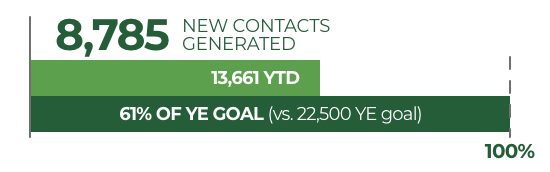
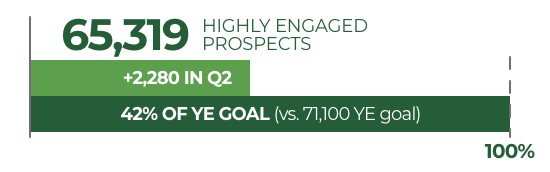
Think Wood supported the releases with broader, more relevant sends of lead nurturing emails. Rather than showing signs of email fatigue, users were more likely to engage with more emails, driving increased engagement and helping move 2,280 contacts into highly engaged lead status during Q2.
These case studies support the SLB’s path to 2.9 BBF of incremental annual lumber demand by 2035. Multifamily, education, and office-related construction represent more than 1.4 BBF of identified opportunity, making targeted project examples important tools for accelerating adoption.
The results reinforce a consistent pattern: credible project examples, detailed guidance, and relevant follow-up increase the likelihood that design and construction professionals will specify wood.
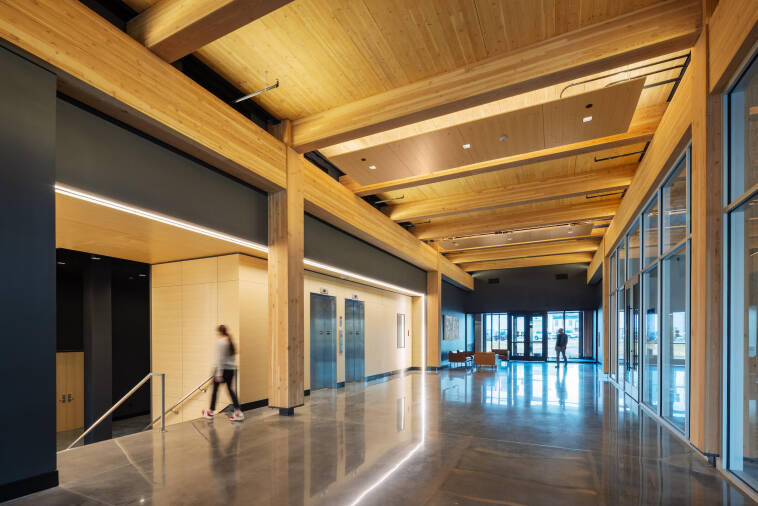
Project case studies featuring projects such as 1501 Mike Fahey, a mass timber spec office designed by HDR, helped Think Wood engage and convert project leads. | Photo Credit: Dan Schwalm
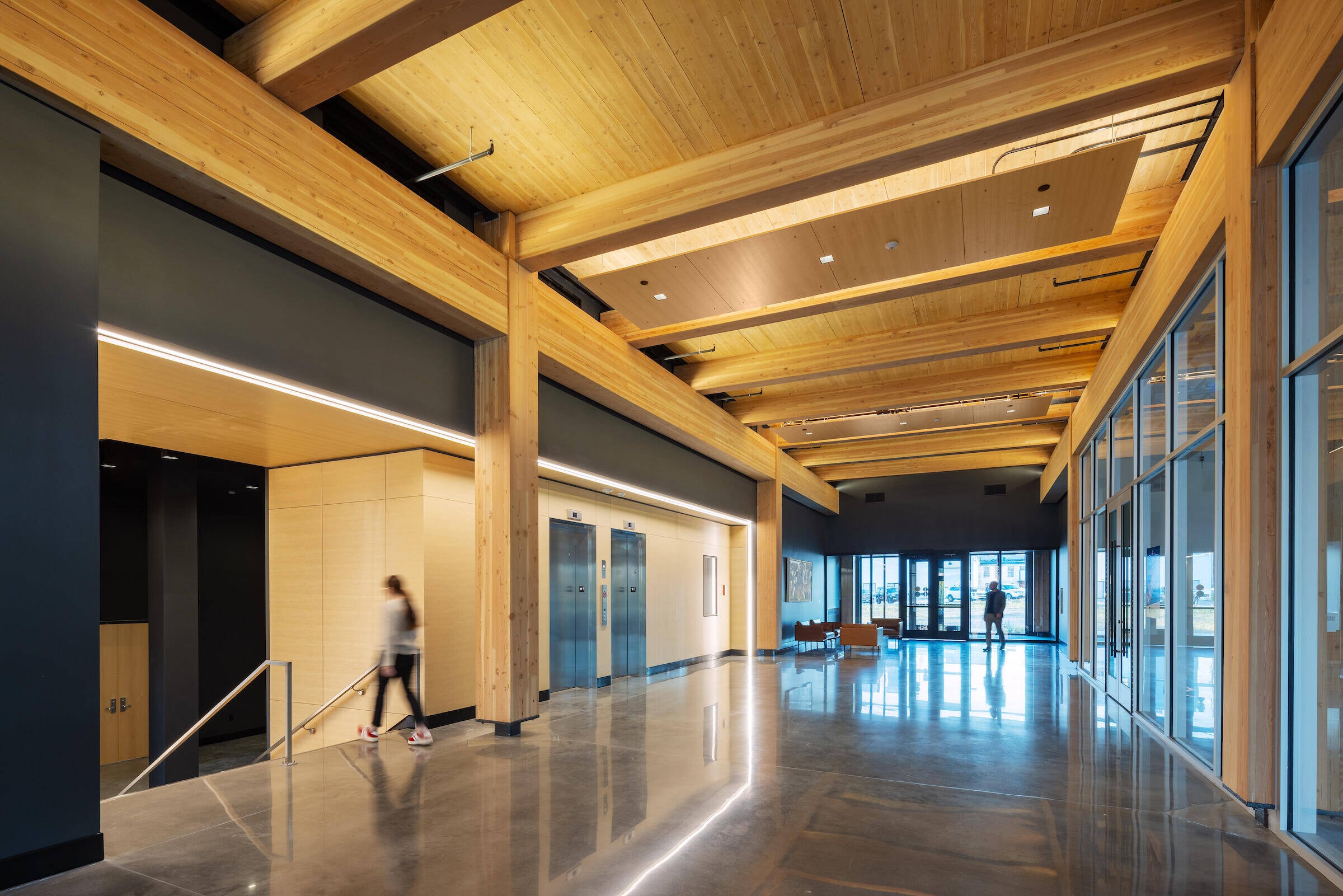
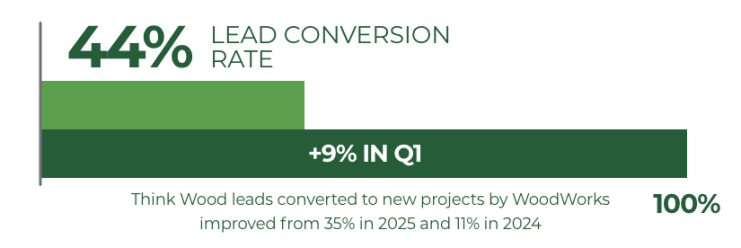
Project-based content continues to deliver Think Wood’s strongest engagement and conversion results. The campaign’s lead-to-project conversion rate reached 41% in Q2, up from 24% year-over-year and sustaining the record pace established in Q1. The strongest-performing resources were case studies and project-focused assets that showed architects, engineers, and contractors how lumber-based structural systems solved real design, cost, and construction challenges.
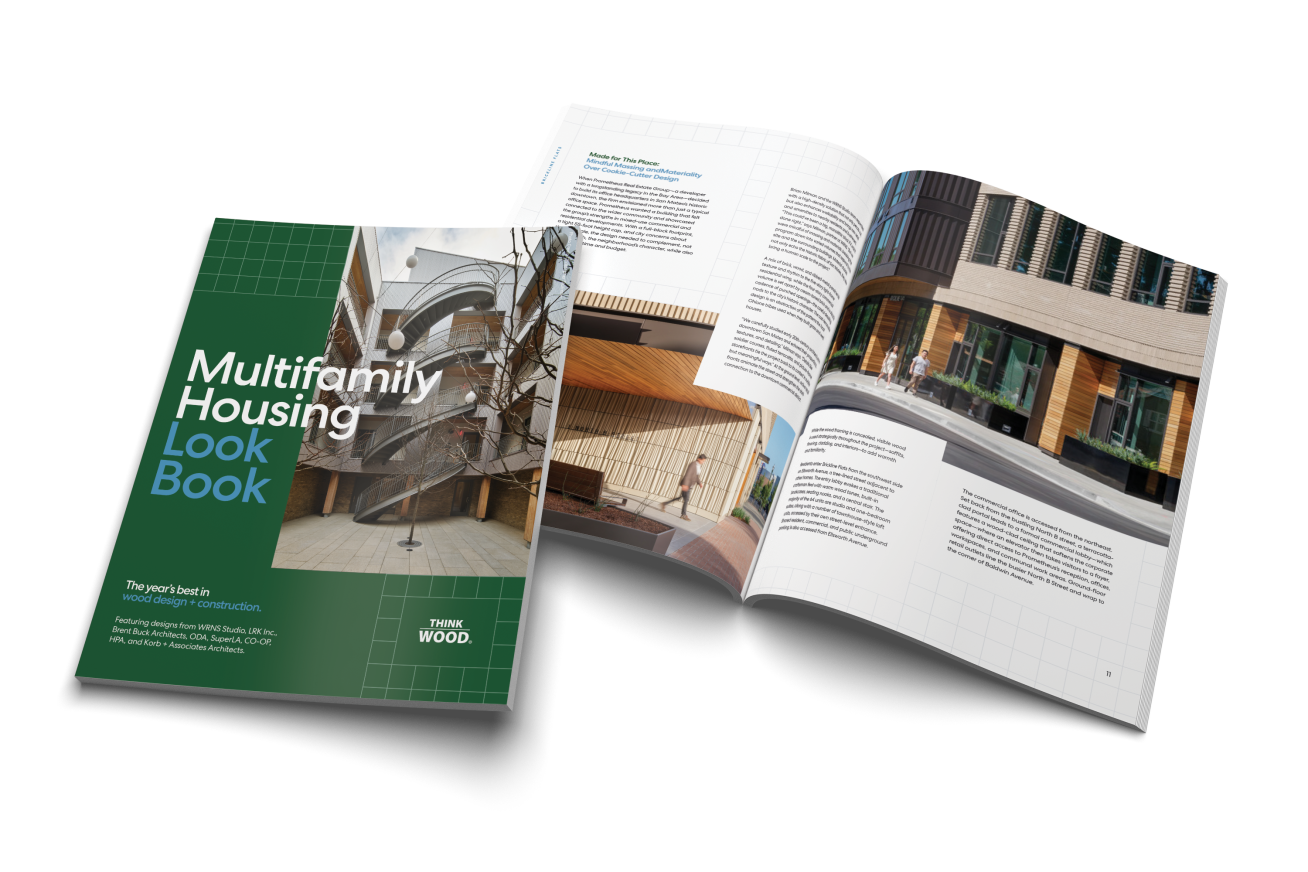
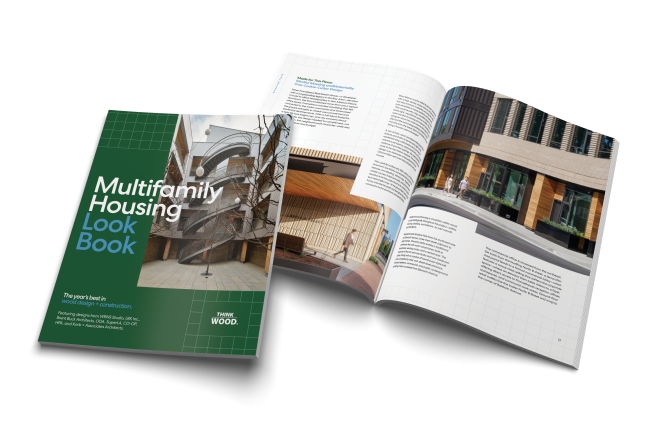
New Q2 resources focused on markets with significant growth potential. The Packer Collegiate Institute Garden House demonstrated the opportunity for mass timber in education. An Omaha speculative office building showed how a hybrid mass timber-steel design outperformed an all-steel alternative. A new Multifamily Housing LookBook consolidated proven strategies and examples for one of wood construction’s largest markets.
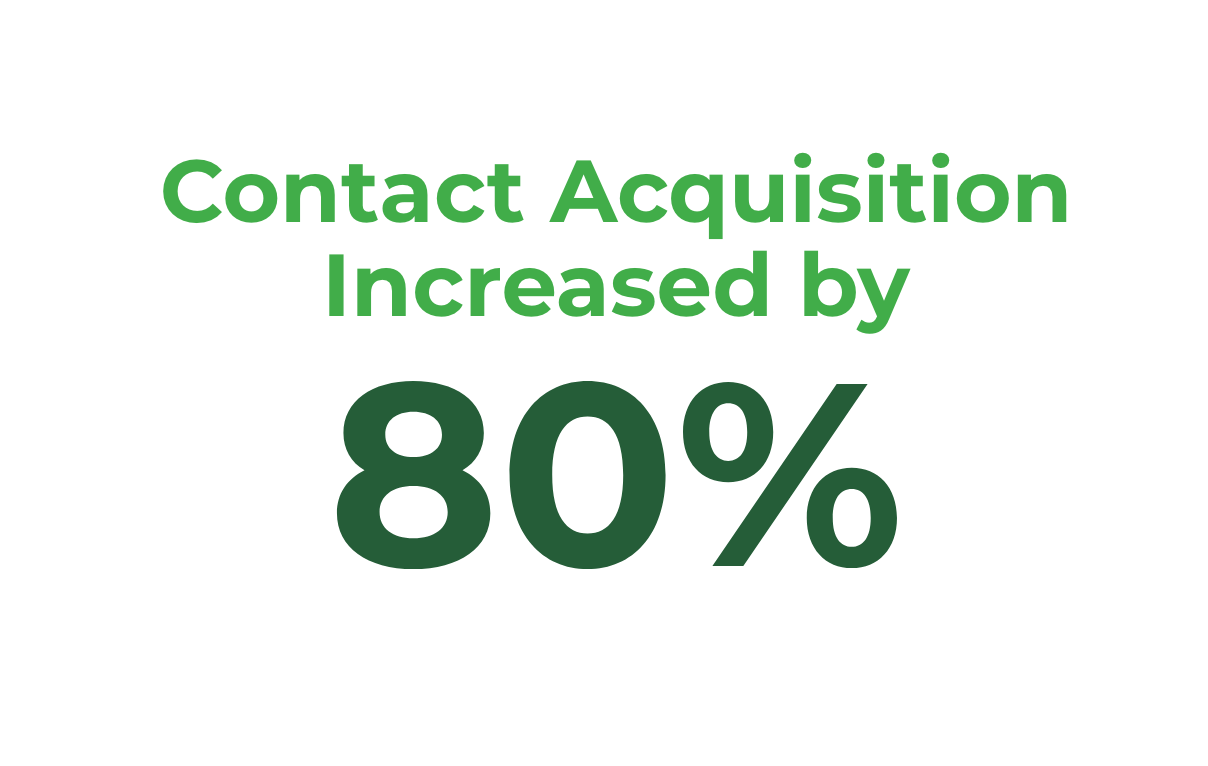
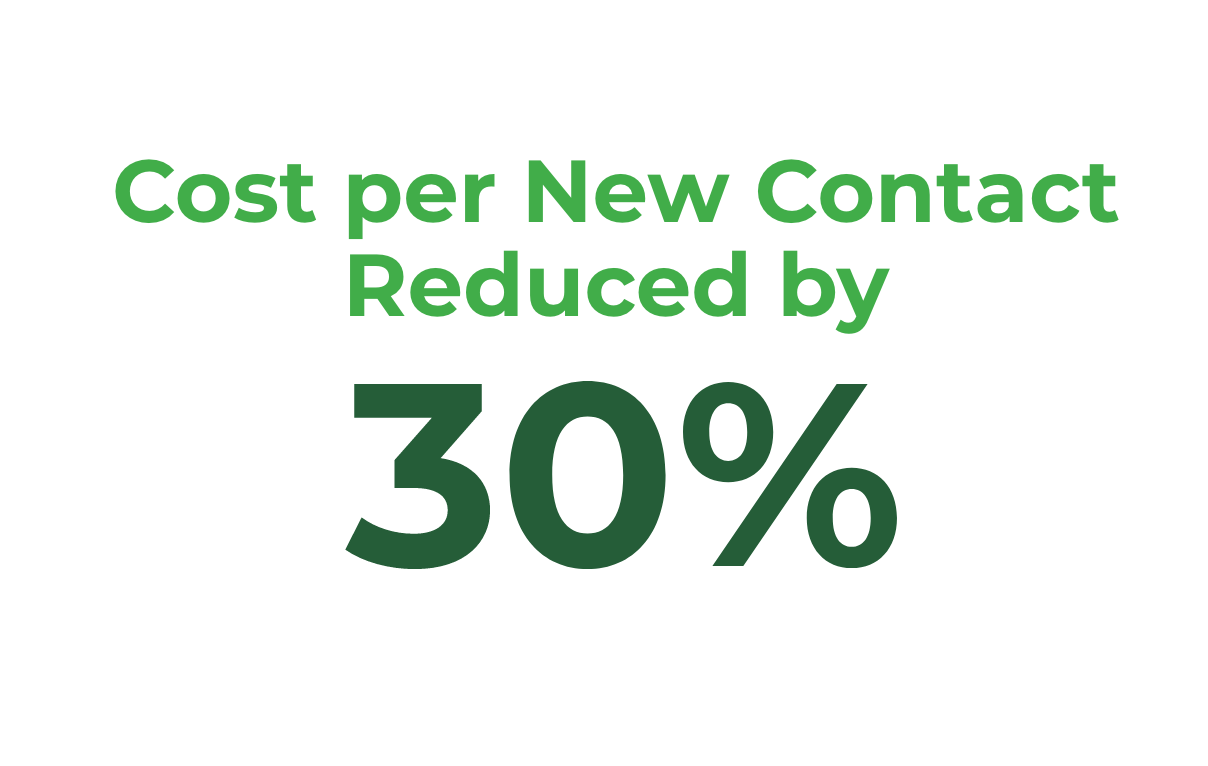
New Contact Acquisition Gets 80% Boost
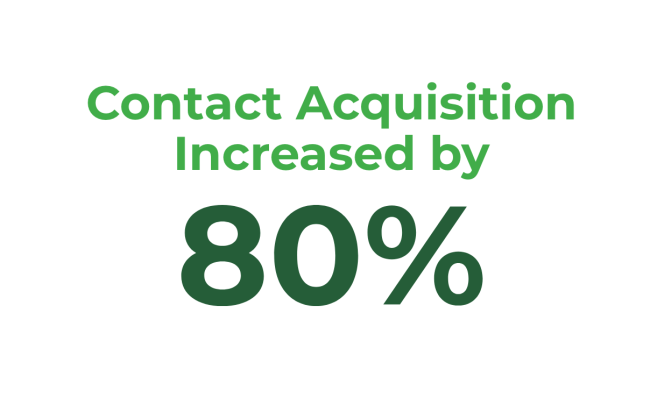
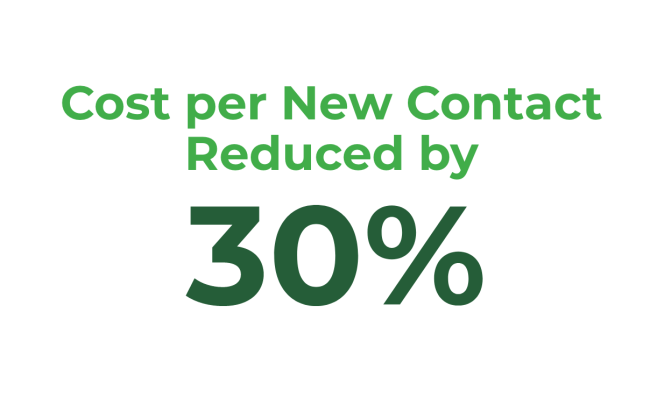
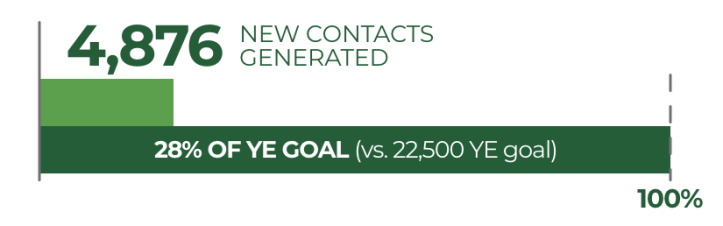
Think Wood increased new contact acquisition 80% quarter over quarter through SLB-acquired project data from the Dodge Construction Network. Paid social optimizations nearly doubled net new contacts from that channel while reducing cost per net new contact by 30%.
Think Wood and WoodWorks are developing a coordinated 2027 engagement strategy to co-nurture shared audiences, improve efficiency, and move more users from interest to wood specification and project conversion.
marketing plan
taken
Prospects
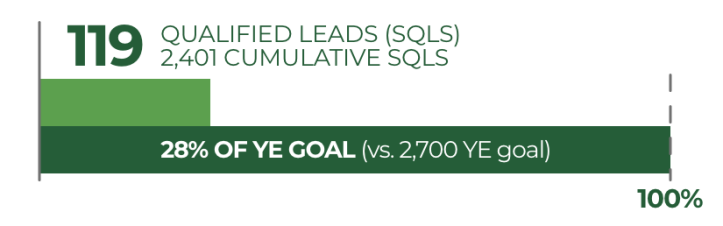
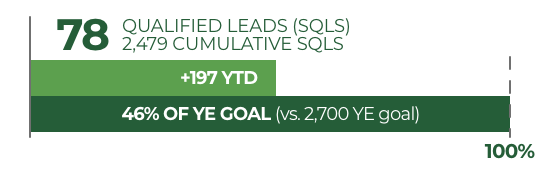
2,479 Cumulative SQLs
Generated

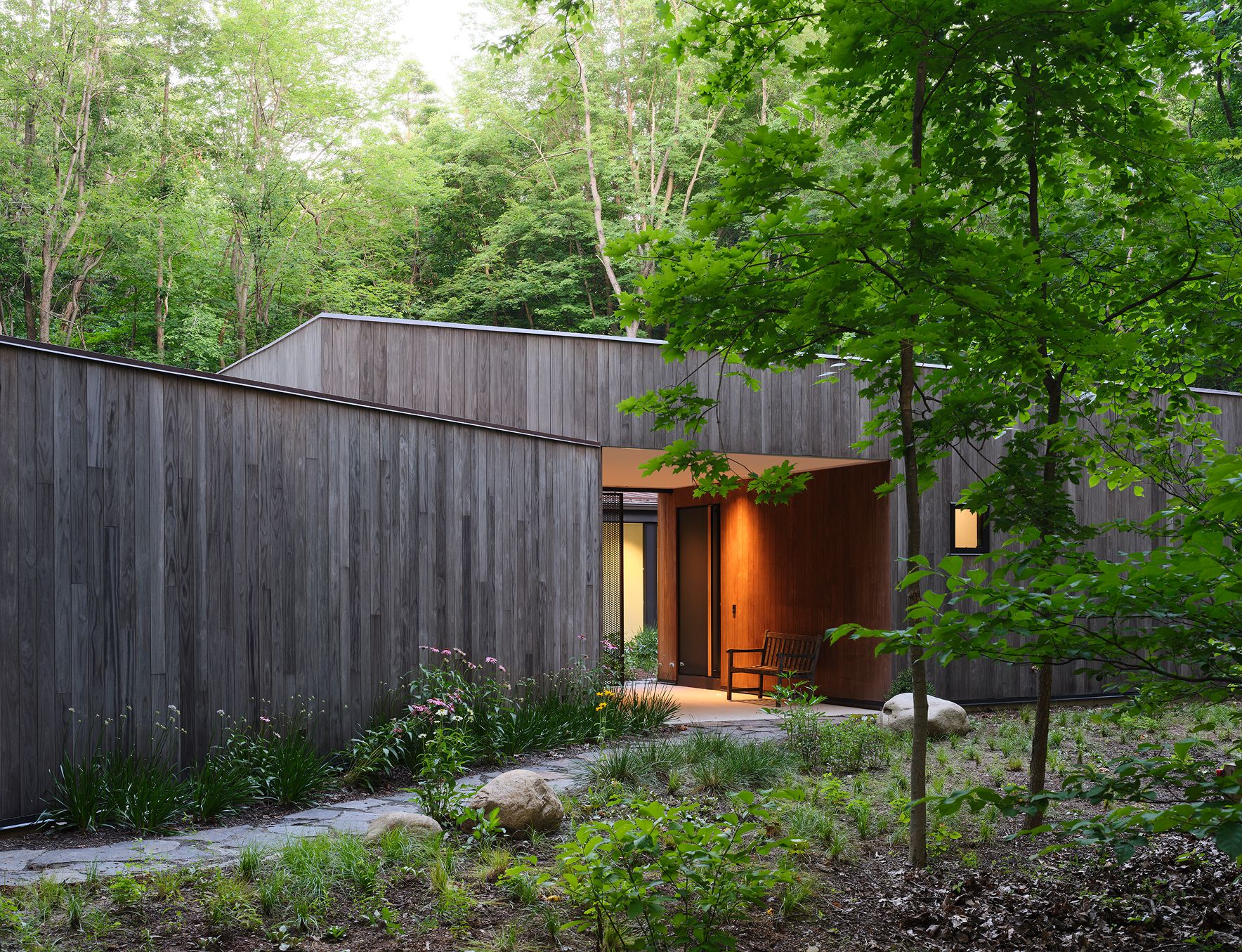
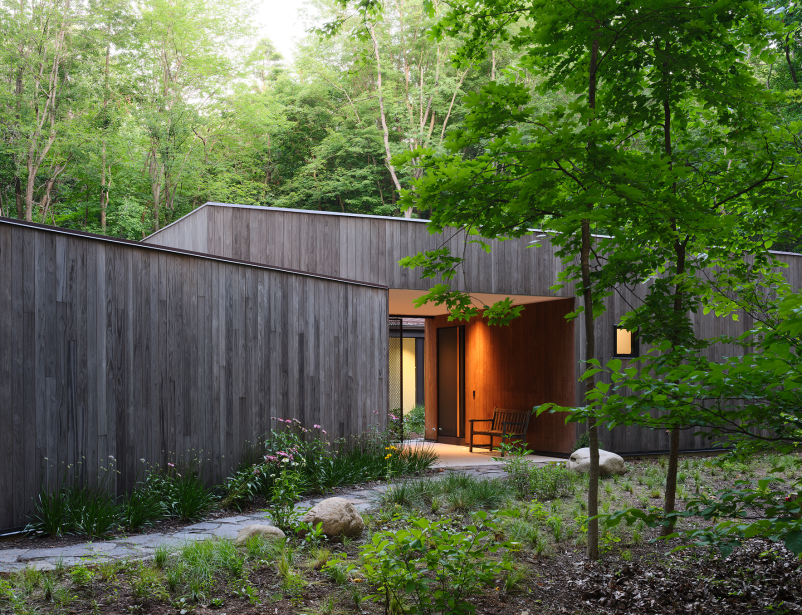
Courtyard Retreat |
Photo Credit: Steve Hall

If you have any questions about any SLB reports,
please email info@softwoodlumberboard.org.

Annual Report
Annual Report
Annual Report





Four straight quarters of
100+ projects converted
Q2 HIGHLIGHTS

1,350 MM BF 2026 Goal.



The Soundview Recreation Center in the Bronx was selected for the second cohort of the NYC Mass Timber Studio. Soundview Recreation Center | Rendering Credit: Snøhetta
Feature Story
Competing Materials Follow SLB’s Playbook
Want to read more SLB stories?
Jump to these stories.
Lumber Gains Share in a Softening Market
Improving Efficiency and Impact with AI
Candidate cities are evaluated on five factors: public-sector readiness, private-sector capacity, stakeholder network strength, market conditions, and alignment with SLB and USDA priorities. The strongest markets have active development pipelines, committed local champions, capable project teams, receptive code and fire officials, and opportunities to demonstrate and repeat light-frame, hybrid, and mass timber systems at scale.
This disciplined approach ensures SLB investments are directed toward cities with the greatest potential to convert projects, influence surrounding markets, and generate sustained incremental lumber demand.
The SLB’s Accelerator Cities strategy is designed to turn local construction opportunities into measurable, repeatable lumber demand.
By working directly with states, cities, and municipalities, the program reaches projects during planning and design, when structural material decisions are still being made, while also addressing the permitting, code, fire-safety, and market barriers that can prevent wood projects from being constructed.
The results demonstrate the model’s effectiveness. Initial programs in Boston, New York City, and Georgia helped advance millions of square feet of potential wood construction. New and continuing accelerators in Portland, Oregon; Santa Monica, California; and New York City are now building additional project pipelines across multifamily, mixed-use, commercial, and civic construction. Most recently, the Alabama Forestry Foundation launched the Alabama Mass Timber Accelerator in August to support mass timber projects in the affordable multifamily and industrial segments. In all, the programs combined $1.8 million in funding from the USDA Forest Service, the U.S. Endowment for Forestry and Communities, and regional partners with $325,000 from the SLB.
A partnership with C40 Cities is expanding the program’s reach by building a pipeline of future Accelerator Cities. Through this collaboration, C40 has convened a cohort of 13 U.S. cities—drawn from its network of C40 member cities and additional non-member cities identified jointly with SLB—to build knowledge and capacity around timber-based construction, including code and fire-safety pathways, workforce implications, and regional supply chain opportunities. One of two planned study tours for city officials has been completed, with an in-person workshop for city delegates still to come. The goal is to identify candidates from within this cohort that are well-positioned to become future SLB Accelerator Cities, extending the program's reach well beyond what direct funding alone could support.
The recently released Accelerator Model Blueprint provides the framework for converting that interest into action. Rather than spreading resources evenly across multiple markets with differing levels of opportunity, the SLB is prioritizing cities where early wins are achievable and long-term lumber demand is most likely to grow.
Expanding Urban
Lumber Demand

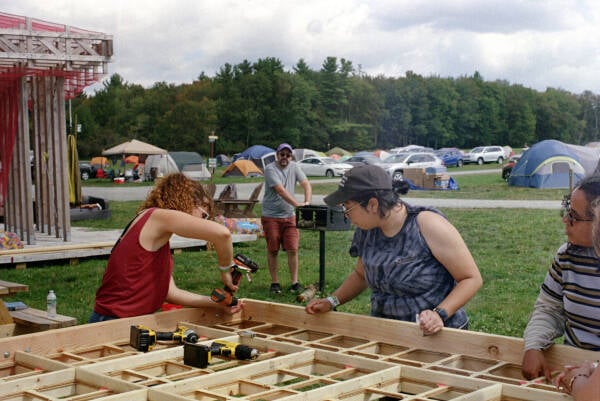
The Clemson faculty workshop included visits to Clemson’s Experimental Forest and mass timber buildings, along with a tour of Timberlab’s fabrication facility in Greenville, South Carolina.

The SLB will convene administrators at ACSA’s 2026 Administrators Conference to advance wood and mass timber education across university curricula.



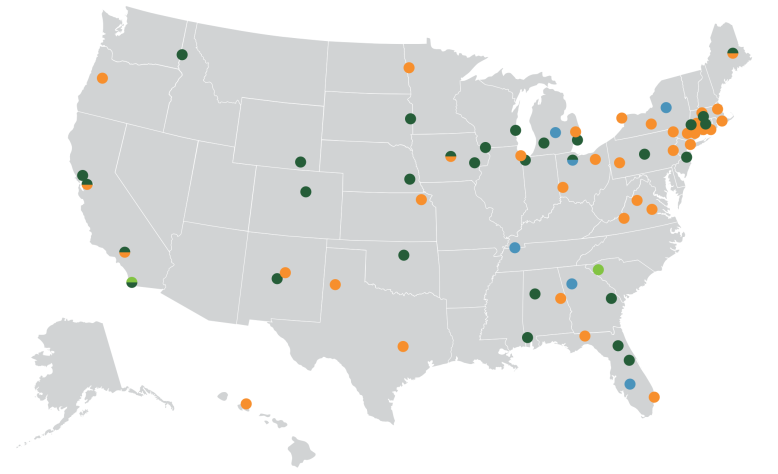
view participating schools
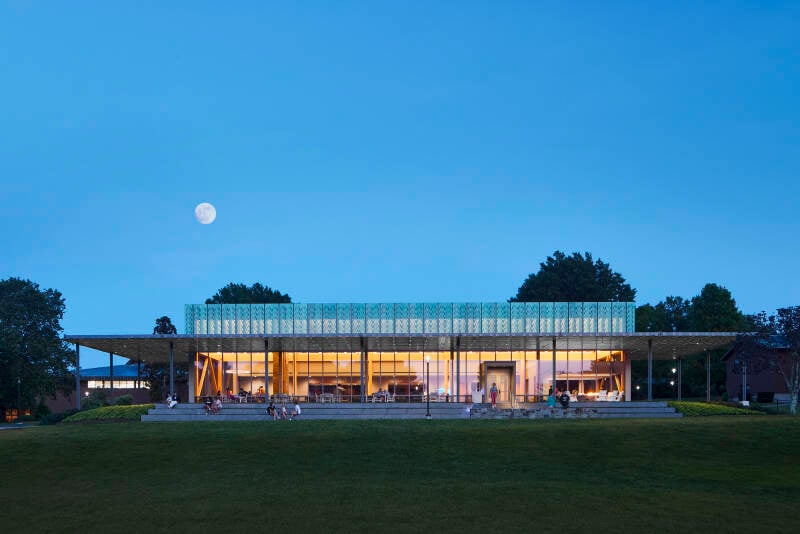
Student Center at Portsmouth Abbey School |
Photo Credit: Brad Feinknop

BY THE NUMBERS

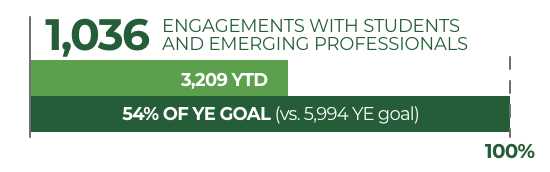
Top Architecture Schools
for Future Wood Demand
SLB Education’s student and faculty engagement and continuing education activity continue to show strong annual growth, expanding the number of future and current practitioners equipped to consider lumber earlier in design and construction.
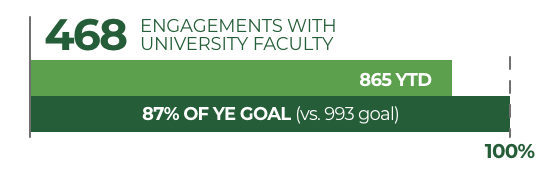
Faculty development has been a major driver of that growth. Year to date, 95 faculty have participated in three workshops, already surpassing the 75 engaged during all of 2025. Participants represent 72 architecture, engineering, and construction programs across the United States. Each trained faculty member can carry their new wood design expertise into multiple courses and successive student cohorts, multiplying the long-term return on the SLB’s education investment.
At a workshop at Auburn University, 30 architecture faculty from 28 institutions followed the wood value chain from sustainable forestry and lumber production through CLT manufacturing and completed mass timber buildings. All survey respondents reported greater knowledge and confidence, while 83% said they plan to expand wood content during the next academic year. Those curriculum changes are projected to expose more than 1,000 additional students to mass timber annually.
At Clemson University, 30 engineering faculty received technical instruction, teaching resources, hands-on activities, and direct exposure to wood fabrication, and a similar portion of respondents said they plan to increase wood-focused course content. A third workshop, hosted with Rothoblaas, reached 35 participants at a cost per attendee 27% below the average of the five workshops planned for 2026. Two upcoming workshops are expected to engage another 65 faculty.
Strong faculty demand for these workshops shows room for further investments to create even greater impact. The Rothoblaas workshop was expanded from 30 to 35 participants after the SLB received 84 applications. A future workshop at the University of Washington has also been expanded after the SLB received 81 applications for 30 spaces. While limiting the number of spaces allows the workshops to provide more attention to attendees, the high demand is a testament to the interest among postsecondary institutions in expanding wood design coursework and to SLB Education’s workshops delivering the right resources to the most relevant audiences.
Feature Story


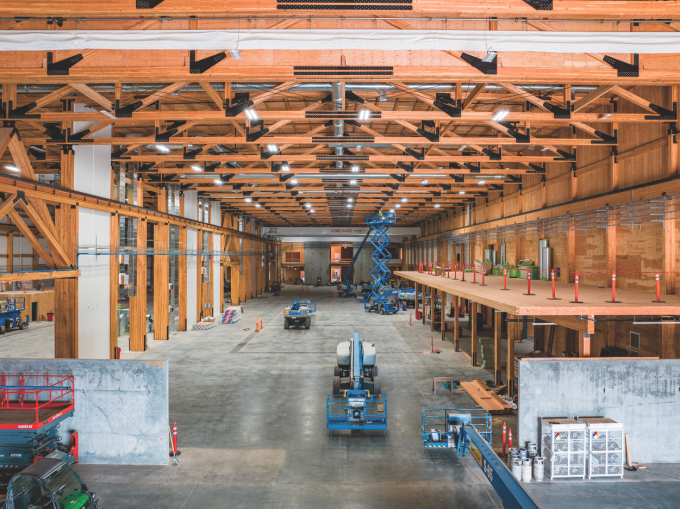
Artificial intelligence is delivering measurable returns across the SLB and its funded programs. New tools are cutting costs, reducing hours of repetitive work, and turning complex data into faster, more actionable insights, freeing more resources for the industry’s central objective: growing demand for lumber.
The SLB has moved its quarterly executive dashboard and annual return on investment reporting into AI-enabled tools. This shift is expected to reduce human error and save approximately $120,000 annually, freeing those dollars for market-development initiatives.
The SLB also converted FEA’s 2026 Construction Market Outlook into a custom GPT, providing funded programs and partners a simpler way to access and apply its underlying market data.
Think Wood launched a beta AI agent that brings campaign data into a chat-based interface, reducing the time required to answer many performance questions from hours to seconds. As the tool develops, it is expected to identify trends, strengthen KPI planning, and help direct campaign resources toward activities delivering the greatest return.
WoodWorks is testing agents that identify potential projects and draft profiles for the WoodWorks Innovation Network, reducing manual data entry while improving consistency.
SLB Education used AI to research all 77 ACCE-accredited construction management programs, compiling information that can help guide future education and workforce investments.
At the AWC, 21 documented AI-assisted work products saved an estimated 184 staff hours, valued at more than $15,500. Applications included converting a complex engineering calculator, accelerating code research, and extracting data from 10 Environmental Product Declarations for carbon-storage analysis.
Together, these efforts demonstrate how responsible AI adoption can lower overhead, improve insight, and make every industry dollar work harder.
and Impact with AI
Expanding Lumber Market
Access in the 2027 I-Codes
The 2027 I-Codes cycle closed with every wood-favorable outcome secured by the AWC in prior hearings still intact, protecting lumber’s standing in construction and preserving new opportunities for expanded use nationwide.
Among the most important results, the AWC helped defeat a concrete-industry proposal that would have reduced the amount of exposed wood permitted in Type IV-B mass timber ceilings. Other restrictive proposals were also blocked, including changes that could have complicated code adoption or limited material options in wildland-urban interface construction. With final governmental consensus voting complete, those proposals are now off the table for the 2027 codes, pending routine confirmation by the International Code Council Board.
At the same time, several AWC-backed changes that expand wood use were approved. The 2027 codes will recognize the AWC’s Fire Design Specification as an option for determining acceptable heavy timber sizes, add new provisions for salvage lumber, update span tables for lumber headers and rafters, and strengthen recognition of wood-based floor framing and platform construction.
These outcomes matter because model codes establish the legal pathways that states and local jurisdictions rely on when approving building systems. Preserving favorable language protects existing lumber markets, while new provisions make it easier for designers, engineers, and code officials to use wood with confidence.
The AWC is also working to ensure its core design standards remain referenced in the 2027 codes. The 2027 Special Design Provisions for Wind and Seismic (SDPWS) has entered public review, while updated seismic research is strengthening wood-frame construction’s position in high-seismic regions.
Together, these wins protect wood products and building systems from unnecessary restrictions, expand recognized applications, and provide a stronger code foundation for future lumber demand.
Student Center at Portsmouth Abbey School |
Photo Credit: Brad Feinknopf
by December 1, 2026, preserving their references in the 2027
I-Codes.
The AWC will use member and Board input to prioritize the technical, code, standards, and regulatory initiatives with the greatest potential to protect and expand lumber markets. Share your feedback and priorities with the AWC.
the awc
Wood’s Code Position
Rothoblass Workshop

BY THE NUMBERS
Mid-rise multifamily projects of 5-8 stories, like those included in LC Germantown, represent an annual incremental lumber opportunity of 307 MM BF by 2035. | Photo Credit: Nick McGinn
WoodWorks reported 109 converted projects in Q2, making it the fourth straight quarter with more than 100 projects converted. The average size of converted projects in both Q1 and Q2 was substantially higher than at the end of 2025, with an average 2026 project size of 135,000 square feet, up 27% from 106,000 square feet in 2025.
Several large multifamily and student housing projects collectively increased the area. A continuing trend of larger multifamily projects going to construction would be a very positive sign for the market overall and for the outlook of WoodWorks' reported projects. The tall wood market also continues to move forward, with at least one tall wood project breaking ground each quarter over the past 12 months. With WoodWorks supporting more than 200 tall projects in design, tall wood represents another positive signal for a return to market growth.
While overall U.S. multifamily and nonresidential building activity has softened to 1.7 billion sq. ft. in 2025 from the peak in 2022 at 2.3 billion sq. ft., wood continues to capture a growing share of the projects moving forward. Over the same period, wood’s share of construction rose from 33% to 40%. That shift helped wood construction remain comparatively resilient even as the broader market contracted.
The most immediate opportunity is in multifamily housing. Affordability pressures continue to support rental demand, while mid-rise construction rebounded in 2025. Multifamily starts are up 15% in 2026 after growing 17% in 2025, according to AIA. The 21st Century ROAD to Housing Act, which became law in July, may also help remove barriers to new construction. Wood already holds a strong position in multifamily buildings, including a 63% share in five- to eight-story construction, where light-frame, hybrid, and mass timber systems can all compete.
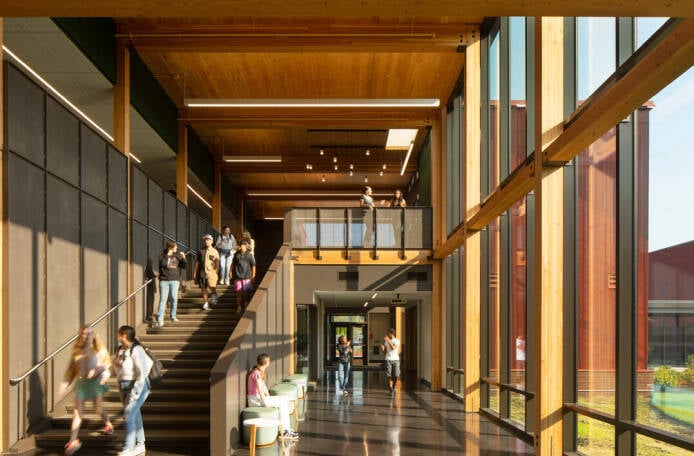
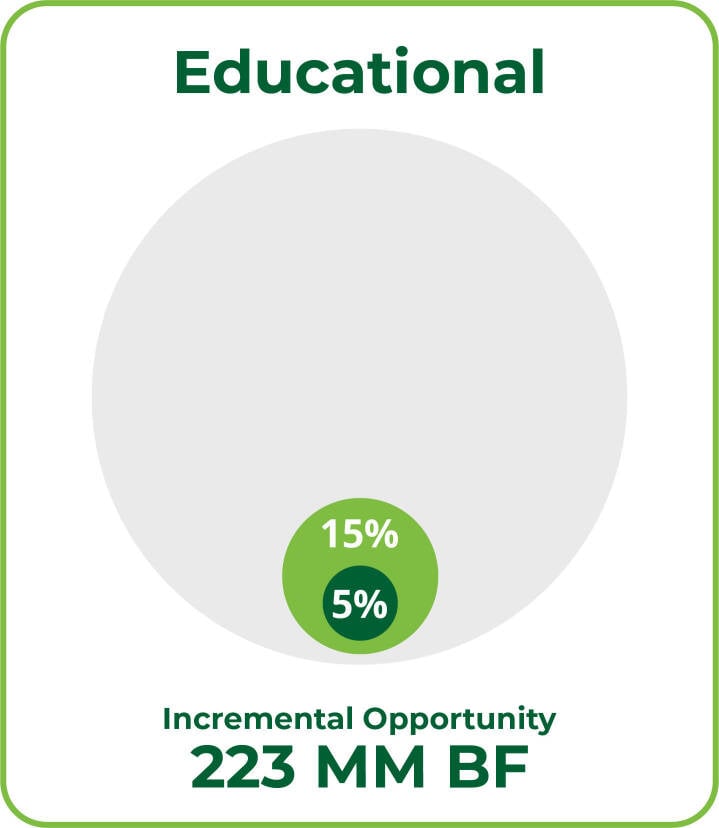
For lumber demand, the key trend is not simply how much gets built, but where wood is gaining ground. The SLB will be including market share as a core KPI starting in 2027 to measure the current market and activity going forward. The SLB is prioritizing cities with the most opportunity for growth, reinforcing cost and speed advantages, and advancing hybrid systems that compete directly with steel and concrete. Investments by the SLB and its funded programs are helping lumber demand grow in the commercial, educational, mid-rise multifamily, office, and taller residential segments that represent some of the largest opportunities to convert future construction into incremental softwood lumber volume.
in a Softening Market
feature story
affordable
housing
opportunities
With a better gauge on the 2026 market, WoodWorks is forecasting between 388 and 425 project conversions for the year—on the higher range of the year’s original forecast.
Woodworks
in Large Light-Frame Projects
Broadstone Saratoga | Photo Credit: Chad Case Photography
Through project-specific technical support, code interpretation, and early-stage education, WoodWorks enables design teams to confidently pursue mid-rise light-frame and podium-style wood buildings. Light-frame structures represent 47% of the opportunity in the SLB’s long-term strategic plan and, with demand for this construction type continuing to grow, WoodWorks project support is critical to help project teams work through design, code, and structural challenges.
Several Q2 efforts show how targeted technical support is keeping these buildings in wood:
Code guidance keeps a Los Angeles project on track. WoodWorks helped resolve height, area, and fire-resistance questions for a 75,000-square-foot, five-story Type III-A mixed-use building, reducing redesign risk while maintaining the light-frame solution.
Fire wall expertise supports two major mixed-use developments. WoodWorks technical guidance helped engineers coordinate structural and fire-resistance requirements for projects totaling 720,000 square feet in San Diego and Albuquerque, keeping both large light-frame buildings moving forward.
Firm-wide training builds future capacity. Project-specific assistance helped a design team address structural, acoustic, and fire challenges on a five-story multifamily development while increasing its ability to deliver larger light-frame buildings on future projects.
Type III education expands regional expertise. Training for more than 60 architects, engineers, developers, and building officials strengthened the knowledge needed to support expanding light-frame multifamily markets in the Southeast.
Multifamily 5-8 story projects represent an annual incremental lumber demand opportunity of 307 MM BF by 2035. WoodWorks’ support in this market shows how code expertise and early technical assistance can protect wood specifications, move large projects toward construction, and build the professional capacity needed for repeatable lumber demand.

Northlake Commons |
Photo Credit: Meghan Montgomery
BY THE NUMBERS
Wood in Data Centers
& Defense Sector
Steel is de-risking its rivalry with wood by embracing hybrid steel-mass timber systems like the one used at HDR’s Orange County Sanitation District Headquarters.
Photo Credit: Dan Schwalm
Follow SLB’s Playbook
feature story
Competitors are adjusting their messaging to current market conditions, shifting from generic material-superiority claims toward carbon and sustainability credibility. Concrete is conso-lidating checkoff-style spend around a growth mandate. Steel is actively de-risking its rivalry with wood by embracing hybrid steel-mass timber systems rather than pushing anti-wood messaging as it has in the past. Here are the highlights the SLB is monitoring:
Carbon and EPD credibility is now table stakes across all three material categories. Every competitor has stood up a carbon calculator, EPD update, or net-zero commitment in the past 24 months.
The competitive landscape now largely mirrors WoodWorks' playbook. Every major competitor now runs a version of the WoodWorks model—webinars, on-demand education, design assistance, field staff—which validates the model but erodes WoodWorks' tactical differentiation over time.
An emerging threat: 3D-printed concrete gains institutional support. A parallel threat outside the traditional materials fight is gaining financial-industry validation: Wells Fargo has become the preferred lender for ICON, a 3D-printed concrete home builder, backing the technology with a dedicated credit incentive. This is a signal that construction technology innovation—not just materials—is starting to draw mainstream capital toward concrete-based methods, particularly in the single-family and affordable housing segments where softwood framing has traditionally been unchallenged. This merits monitoring but is not yet a code or spec-level threat.
BY THE NUMBERS
Drive Intent to
Specify Wood
Project-based content continues to deliver Think Wood’s strongest engagement and conversion results. The campaign’s lead-to-project conversion rate reached 41% in Q2, up from 24% year-over-year and sustaining the record pace established in Q1. The strongest-performing resources were case studies and project-focused assets that showed architects, engineers, and contractors how lumber-based structural systems solved real design, cost, and construction challenges.
New Q2 resources focused on markets with significant growth potential. The Packer Collegiate Institute Garden House demonstrated the opportunity for mass timber in education. An Omaha specul-ative office building showed how a hybrid mass timber-steel design out-performed an all-steel alternative. A new Multifamily Housing LookBook consolidated proven strategies and examples for one of wood construction’s largest markets.
Think Wood supported the releases with broader, more relevant sends of lead nurturing emails. Rather than showing signs of email fatigue, users were more likely to engage with more emails, driving increased engagement and helping move 2,280 contacts into highly engaged lead status during Q2.
These case studies support the SLB’s path to 2.9 BBF of incremental annual lumber demand by 2035. Multifamily, education, and office-related construction represent more than 1.4 BBF of identified oppor-tunity, making targeted project examples important tools for accelerating adoption.
The results reinforce a consistent pattern: credible project examples, detailed guidance, and relevant follow-up incr-ease the likelihood that design and construction professionals will specify wood.
Project case studies featuring projects such as 1501 Mike Fahey,
a mass timber spec office designed by HDR, helped Think Wood engage and convert project leads. | Photo Credit: Dan Schwalm
Courtyard Retreat |
Photo Credit: Steve Hall

marketing plan
Gets 80% Boost

If you have any questions about any SLB reports, please email info@softwoodlumberboard.org.