DOWNLOADS
DOWNLOADS

EDUCATION
HIGHLIGHTS
WOODWORKS
HIGHLIGHTS
THINK WOOD
HIGHLIGHTS
AWC
HIGHLIGHTS
Q1 HIGHLIGHTS
SLB
Feature Story




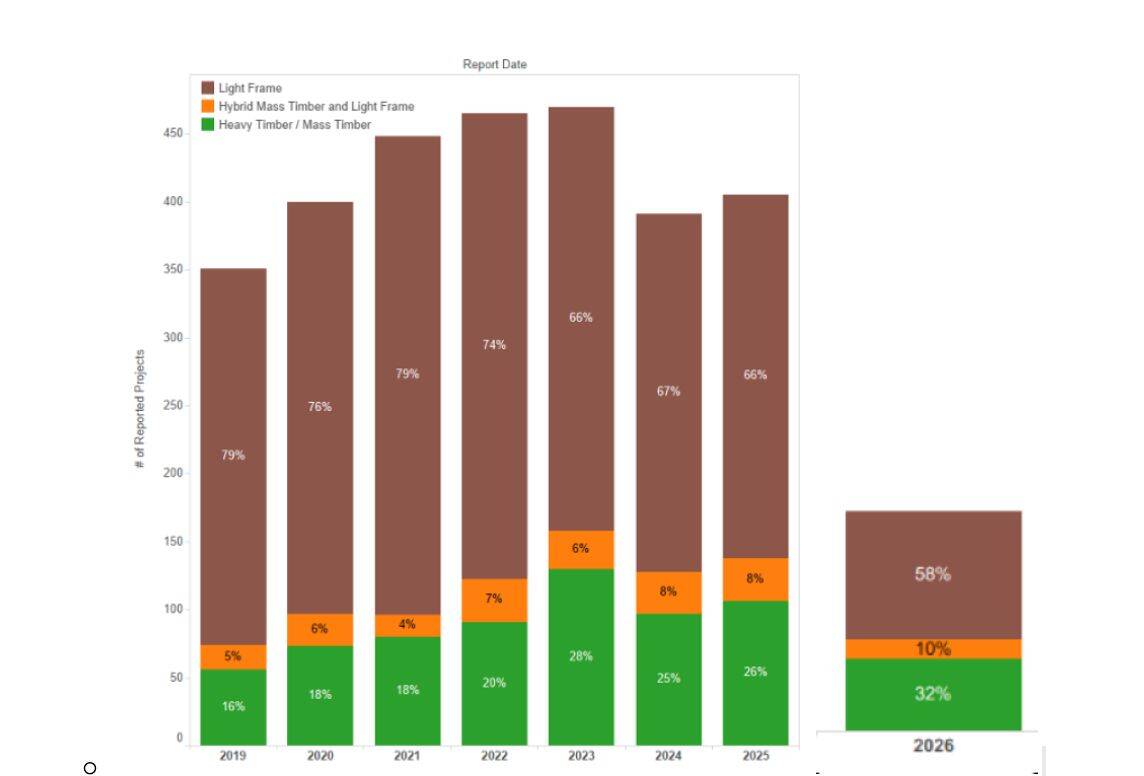
Q1 HIGHLIGHTS
2026 Goal.


SLB Feature Story
In a competitive market for construction materials, focus is essential.
In 2026, the SLB continues to prioritize high-opportunity sectors,
geographies, and building types where lumber has clear advantages
and the path to conversion is shortest.
Read more about the path to 2.9 BBF
SLB Story 3:
WoodWorks Supported Warehouses
SLB Story 1:
SLB Accelerator Cities Program

SLB Story 2:
AI Adoption Supports Strategic Priorities
Jump to these stories.
Want to read more SLB stories?


1 of 4


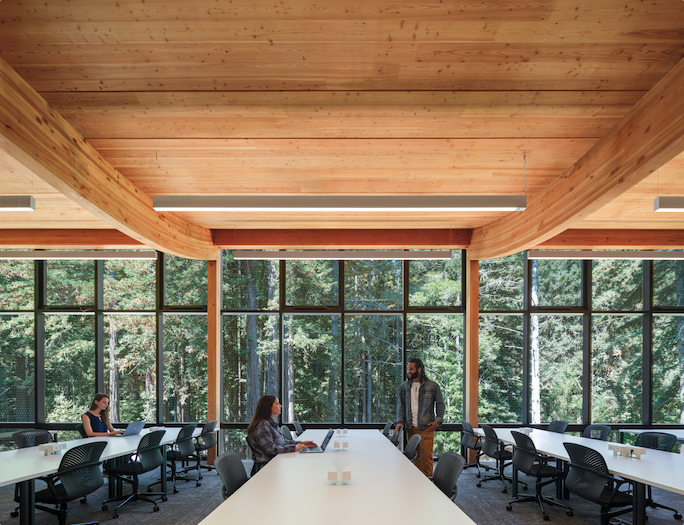
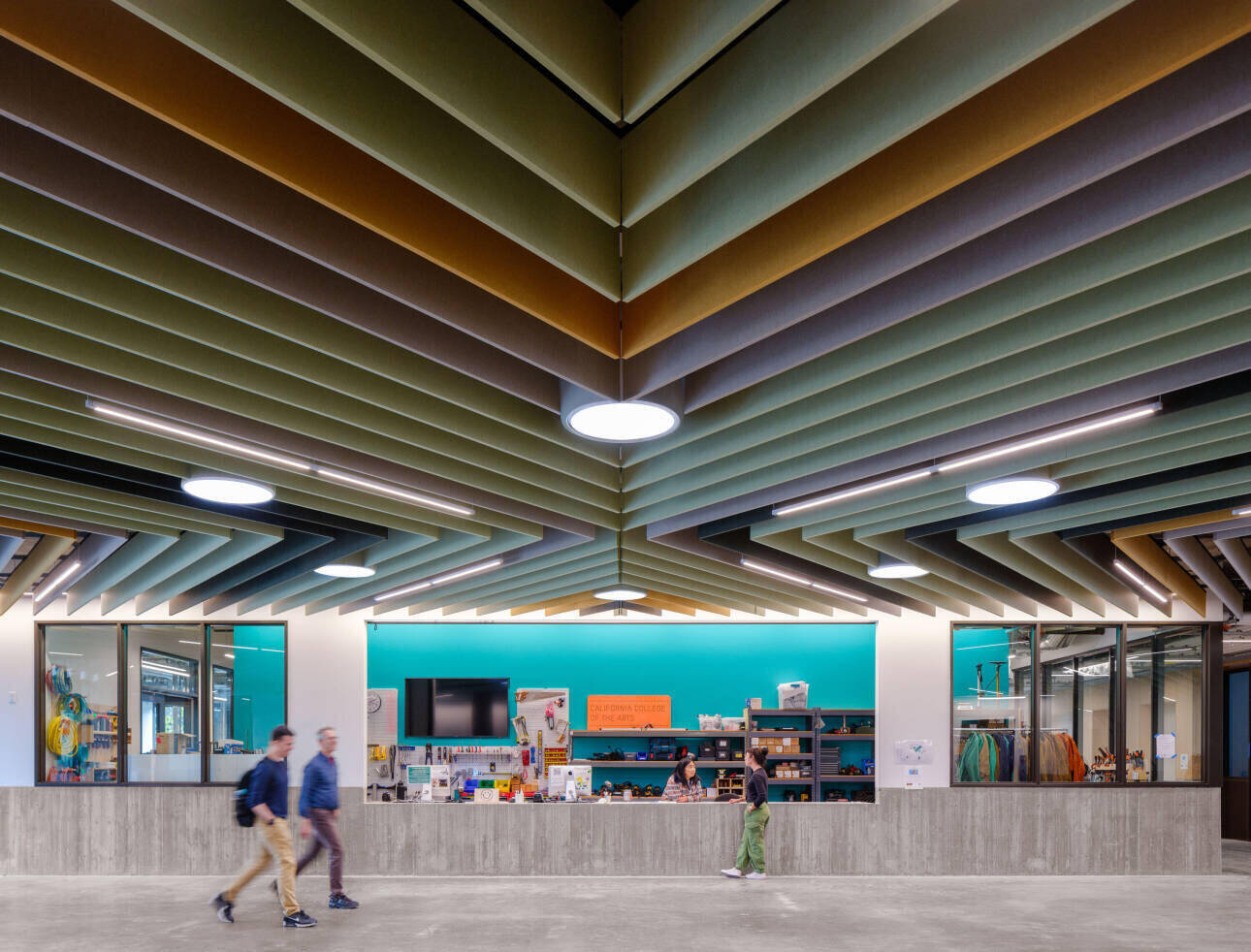
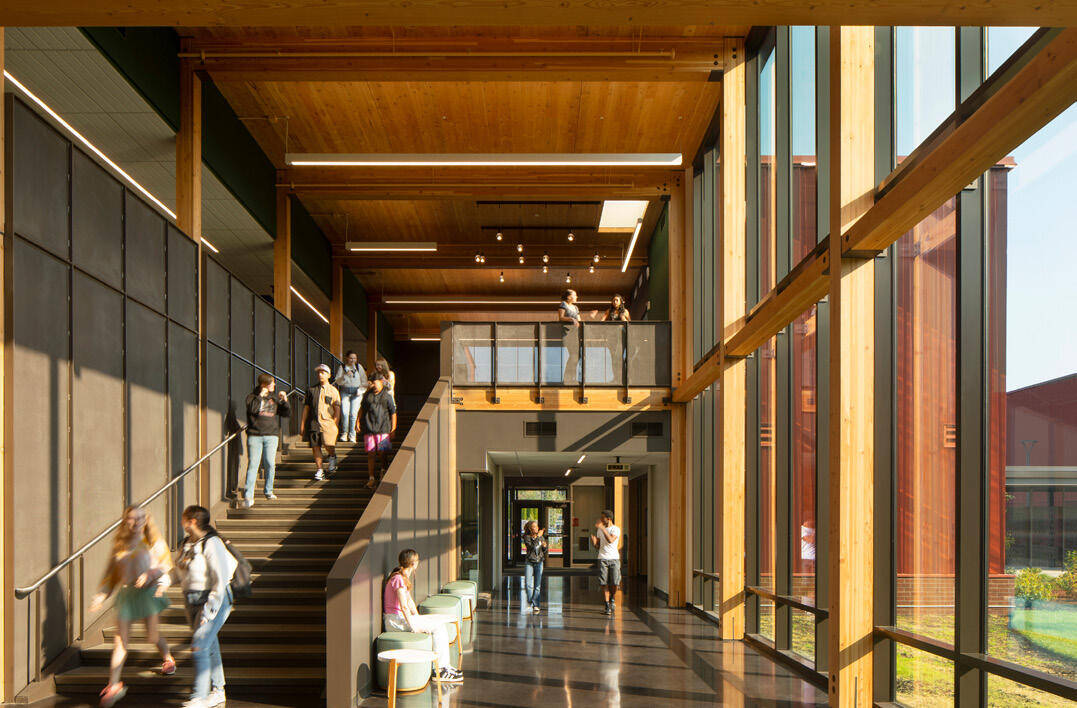
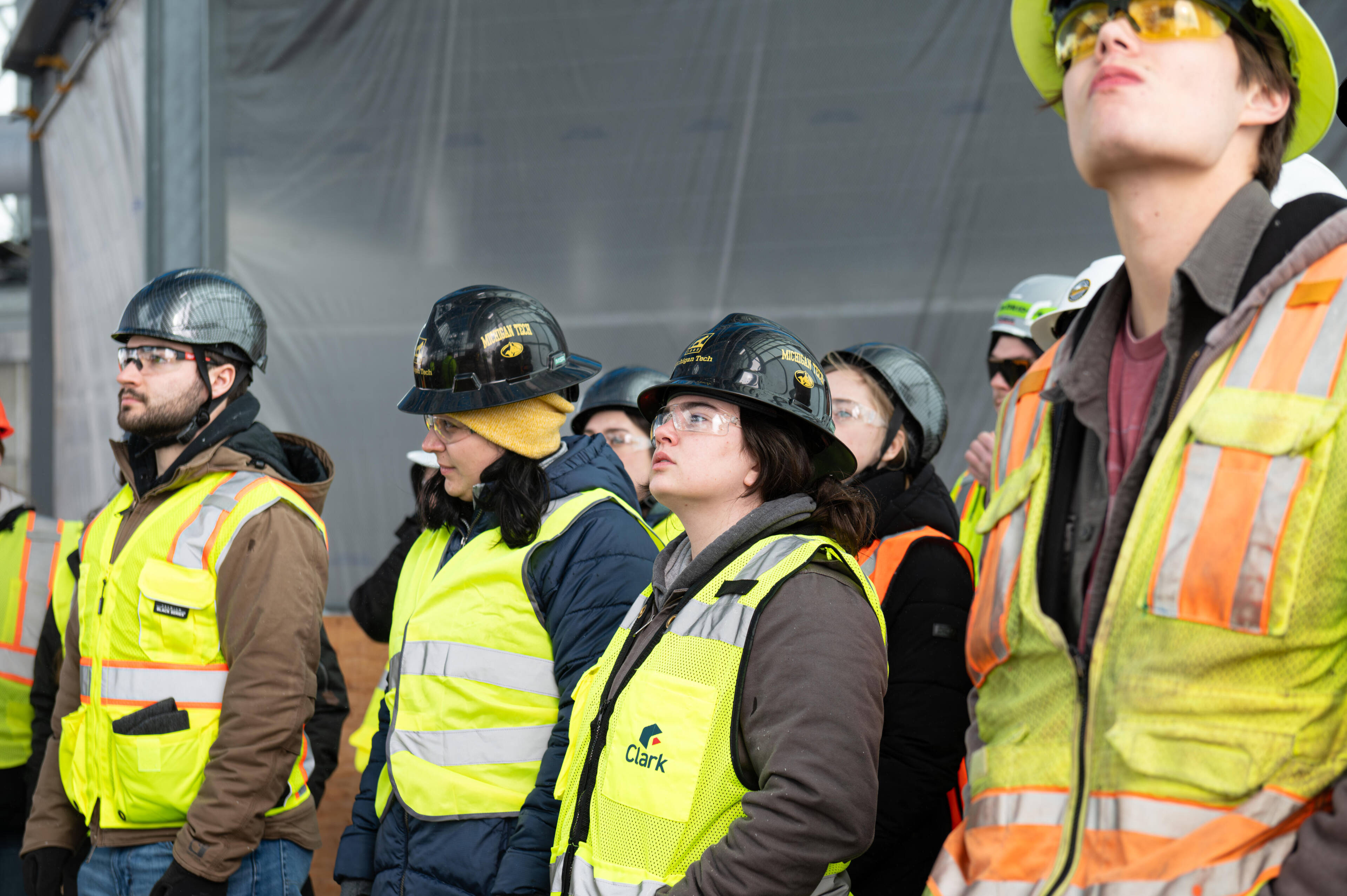
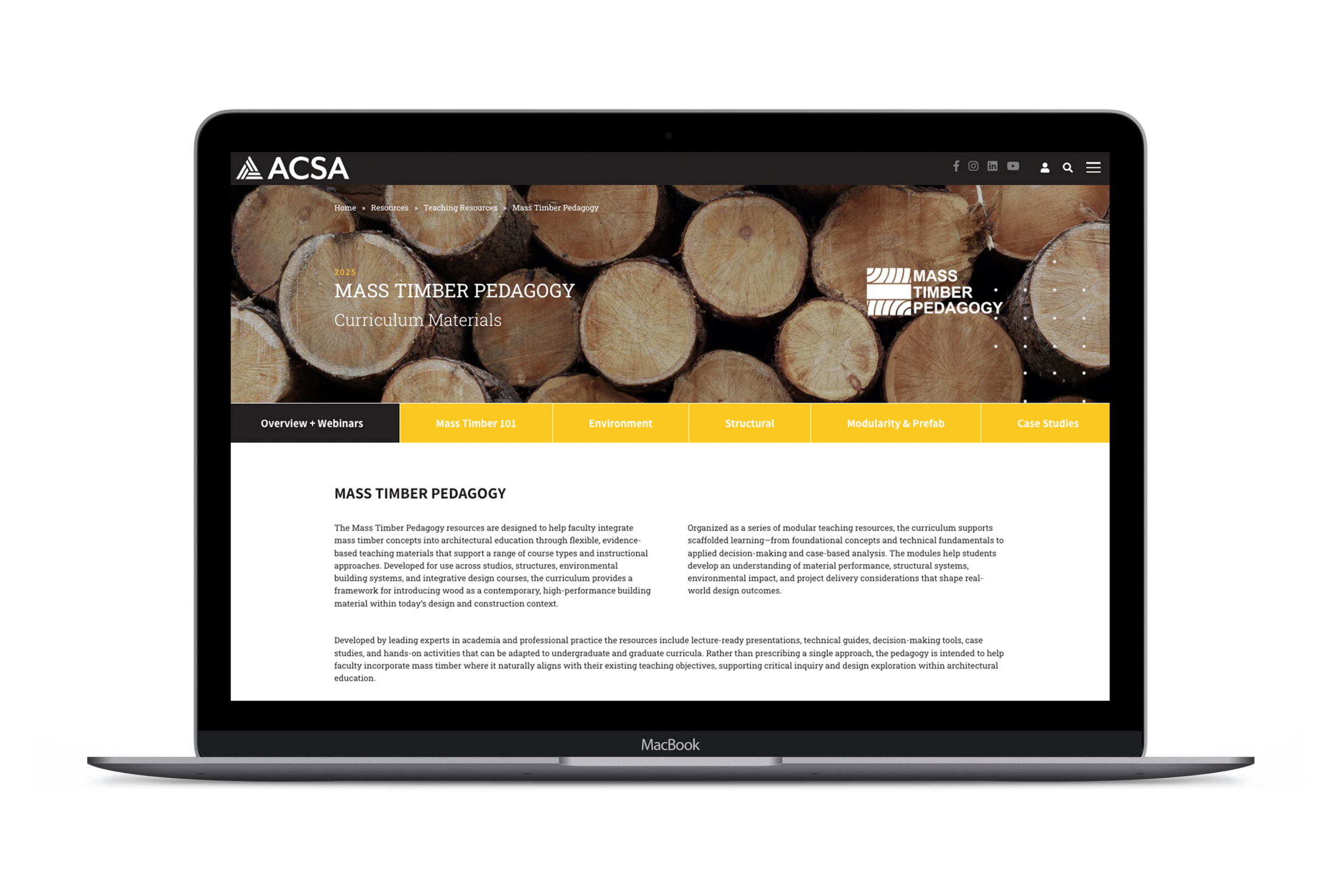
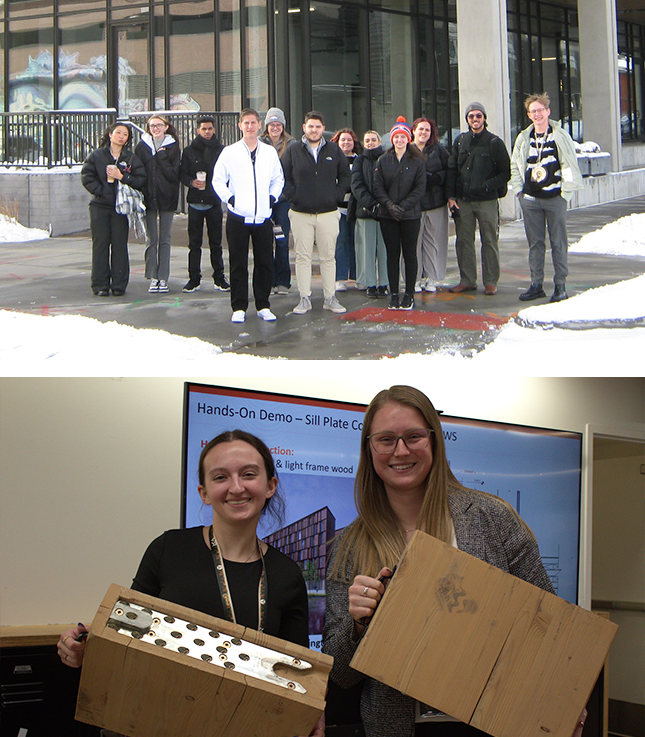
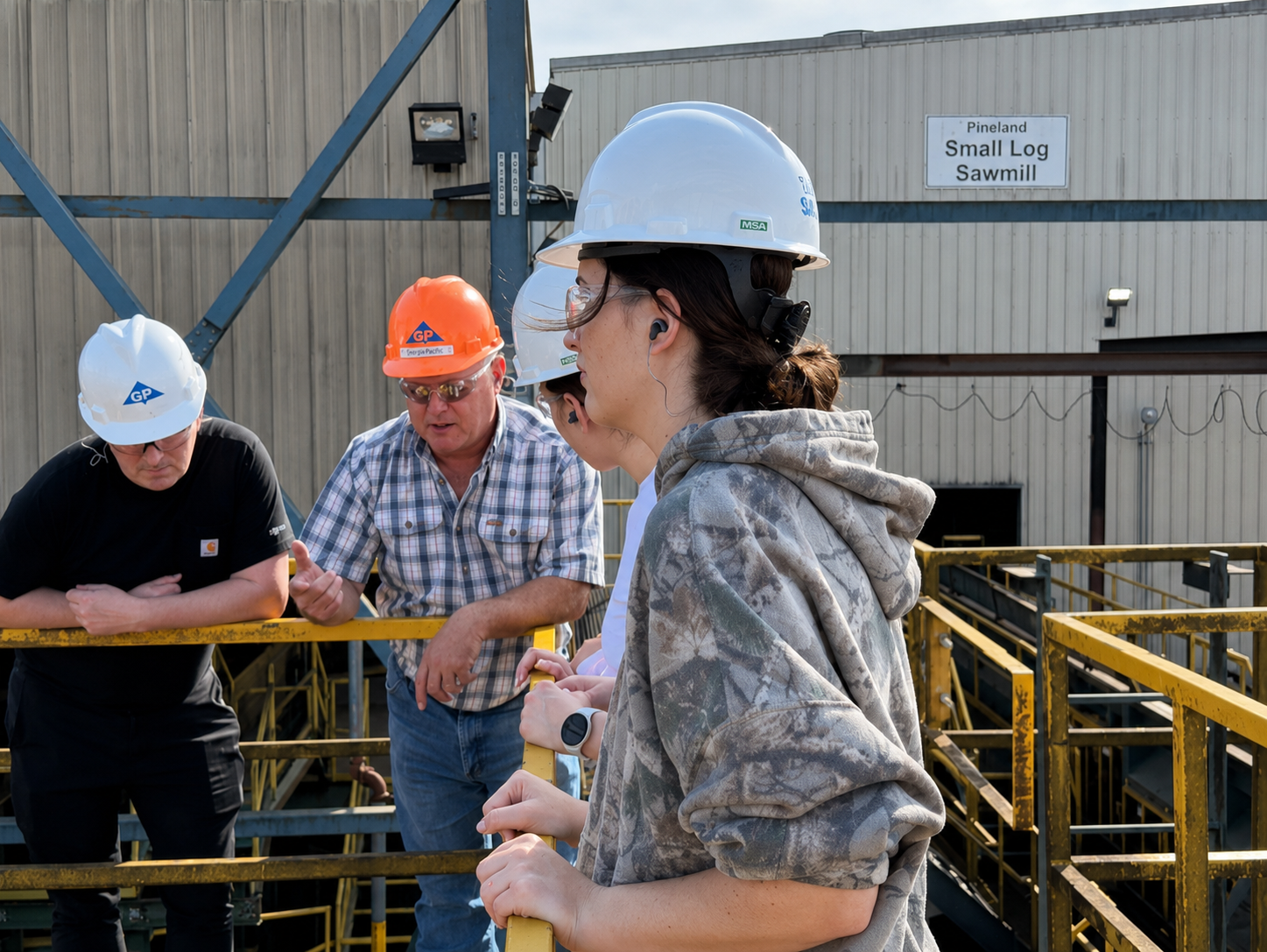
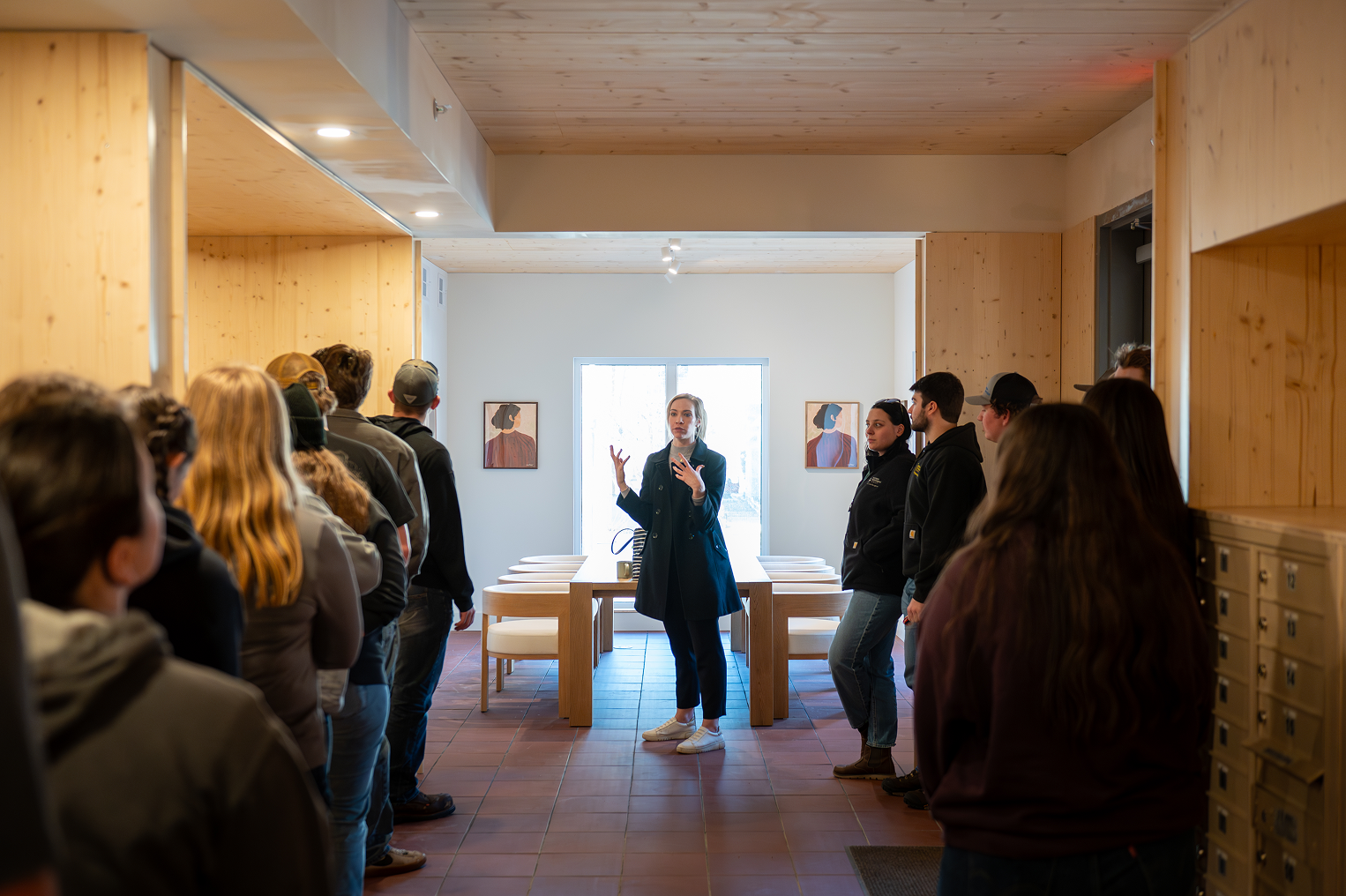
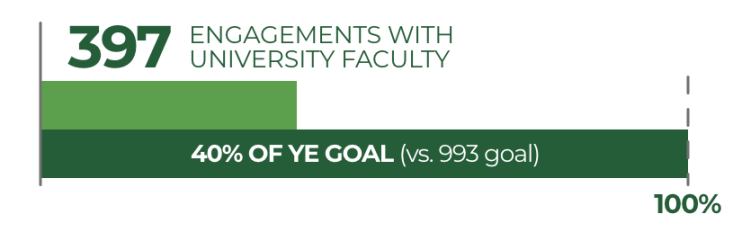
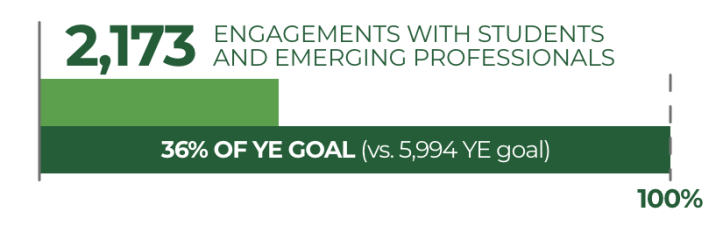
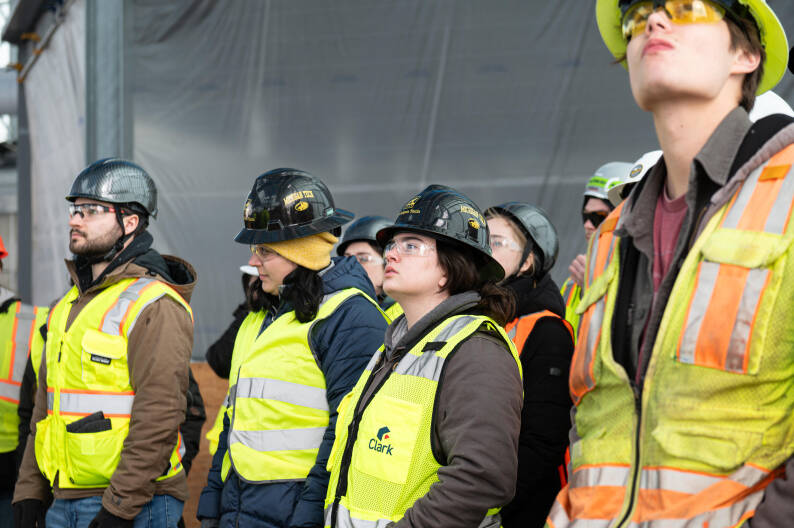
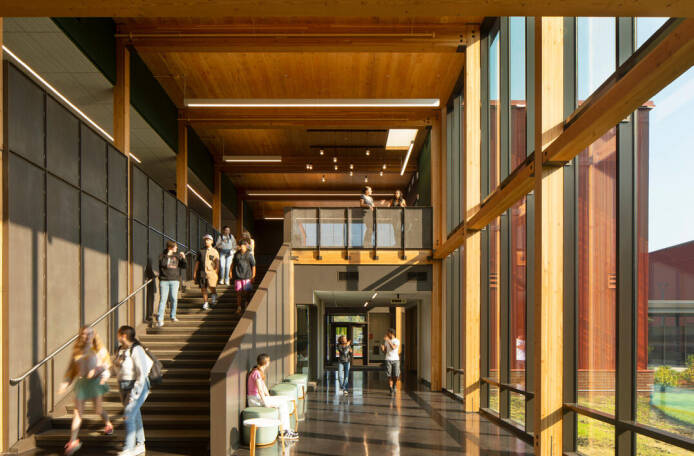
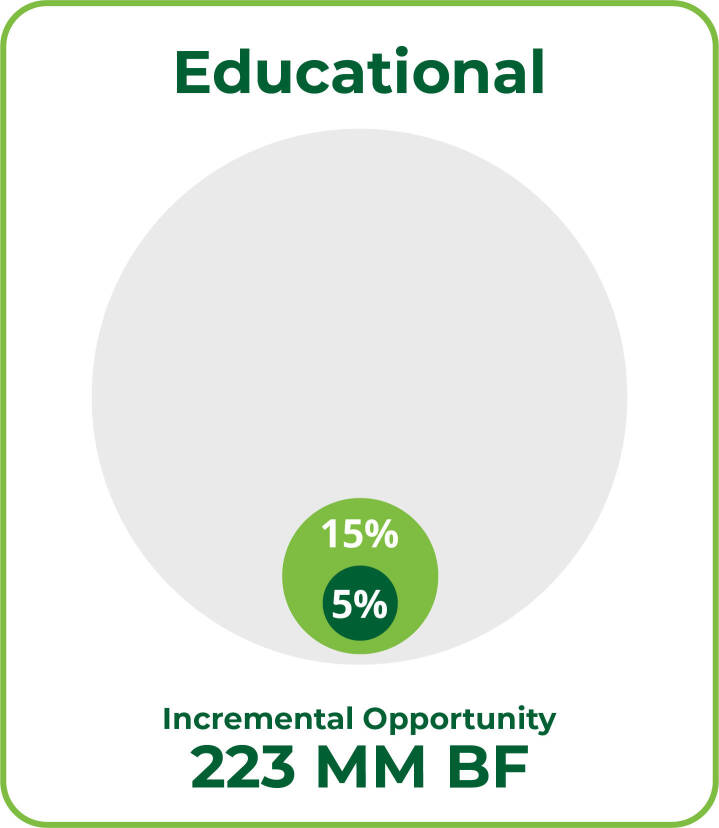
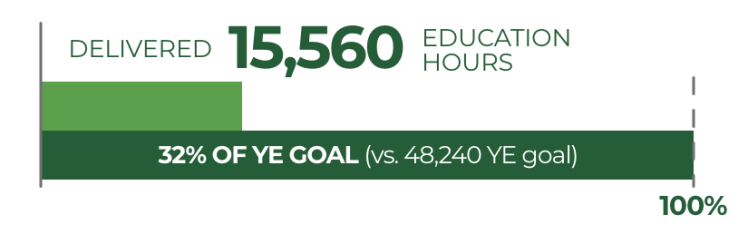
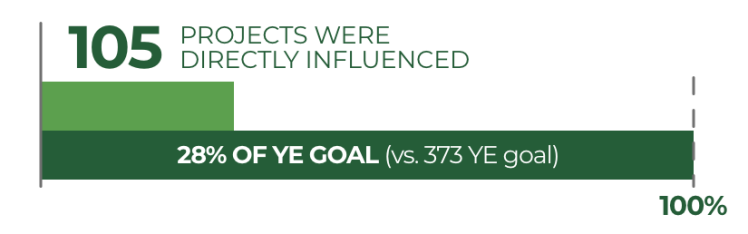
SLB Education is advancing wood design and construction education in postsecondary schools—something that competing industries have been doing for decades. The program has now held 12 faculty workshops at institutions nationwide, equipping 300 educators with the knowledge, incentives, and resources to bring lumber-based building systems to the forefront of their classrooms. In addition to holding five more faculty workshops in 2026, SLB Education is working to remove structural barriers that prevent wood design courses from being included in postsecondary programs.
California College of Arts | Studio Gang
Photo Credit: Jason O’Rear

In 2026, the SLB is sharpening its focus on what works by focusing on creating, defending, and implementing building codes and standards, amplifying design and construction best practices, inspiring innovation in new performance applications, and providing technical solutions to challenges for specifiers and contractors.
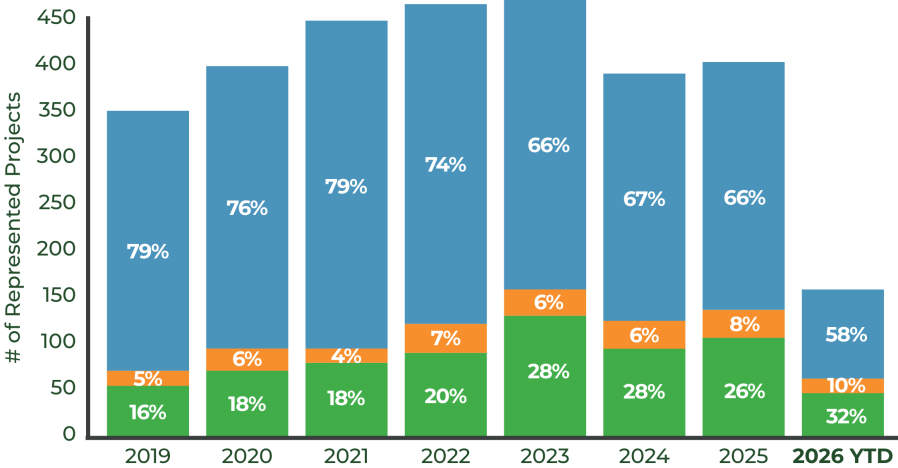
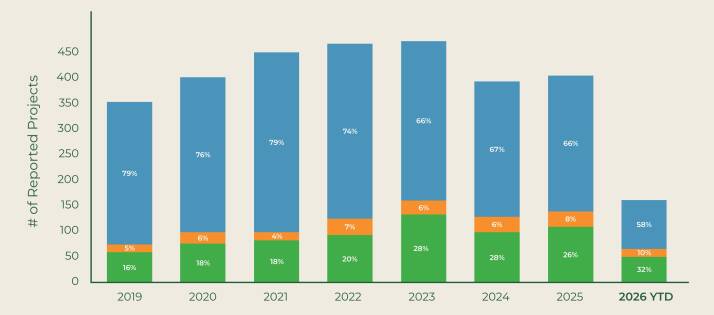
The SLB and its funded programs continued to generate momentum for lumber demand growth in Q1. This strong performance was the result of disciplined focus and collaboration between the SLB’s four primary funded programs: SLB Education, the American Wood Council, Think Wood, and WoodWorks. These efforts were driven by the SLB’s strategic plan, which lays out a clear roadmap to 2.9 BBF of incremental annual lumber demand by 2035.




Enable Rapid Integration

on the Wood Institute
on the Wood Institute
and Emerging Professionals
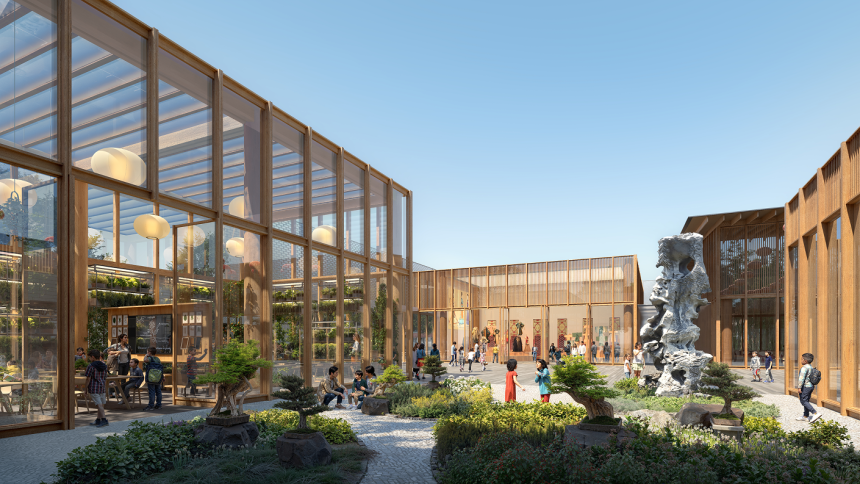
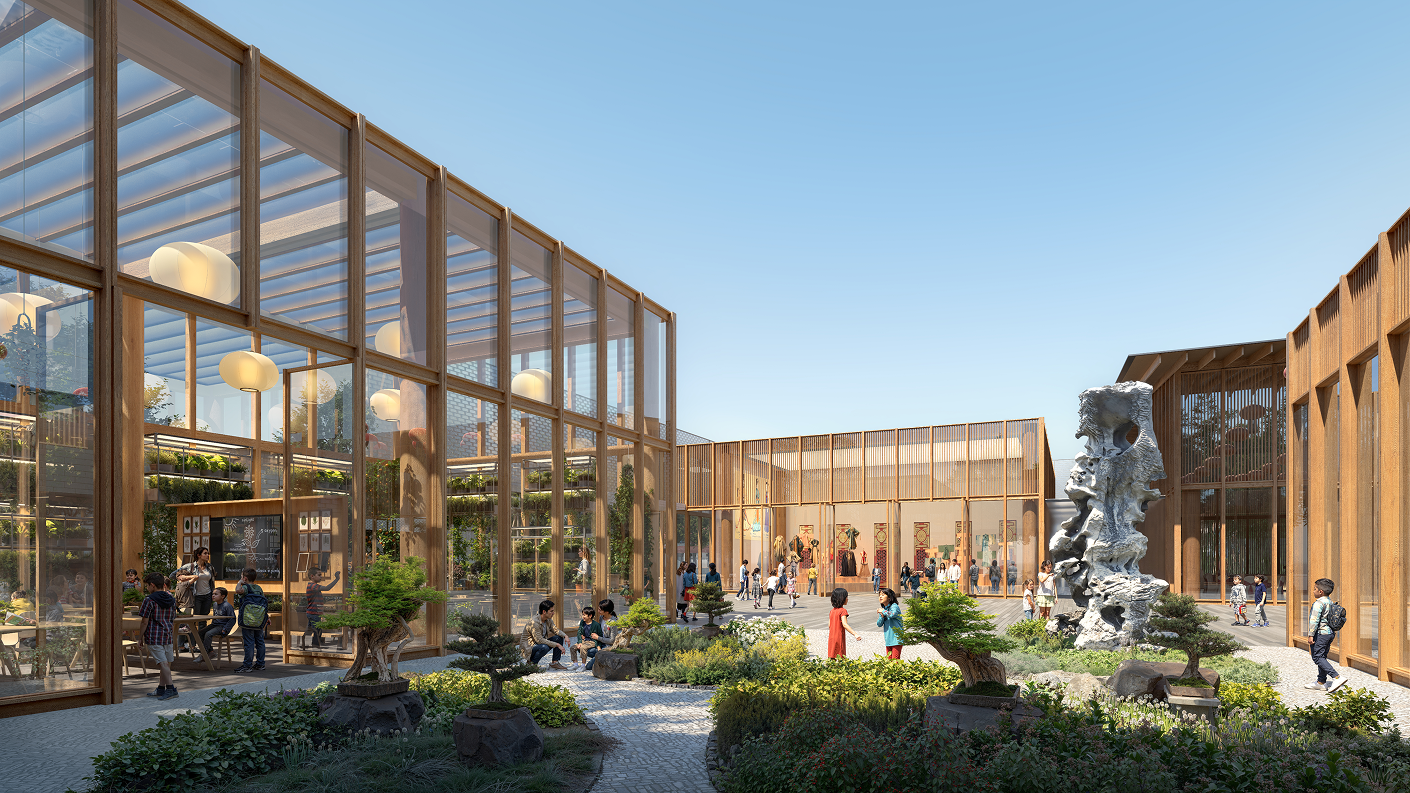
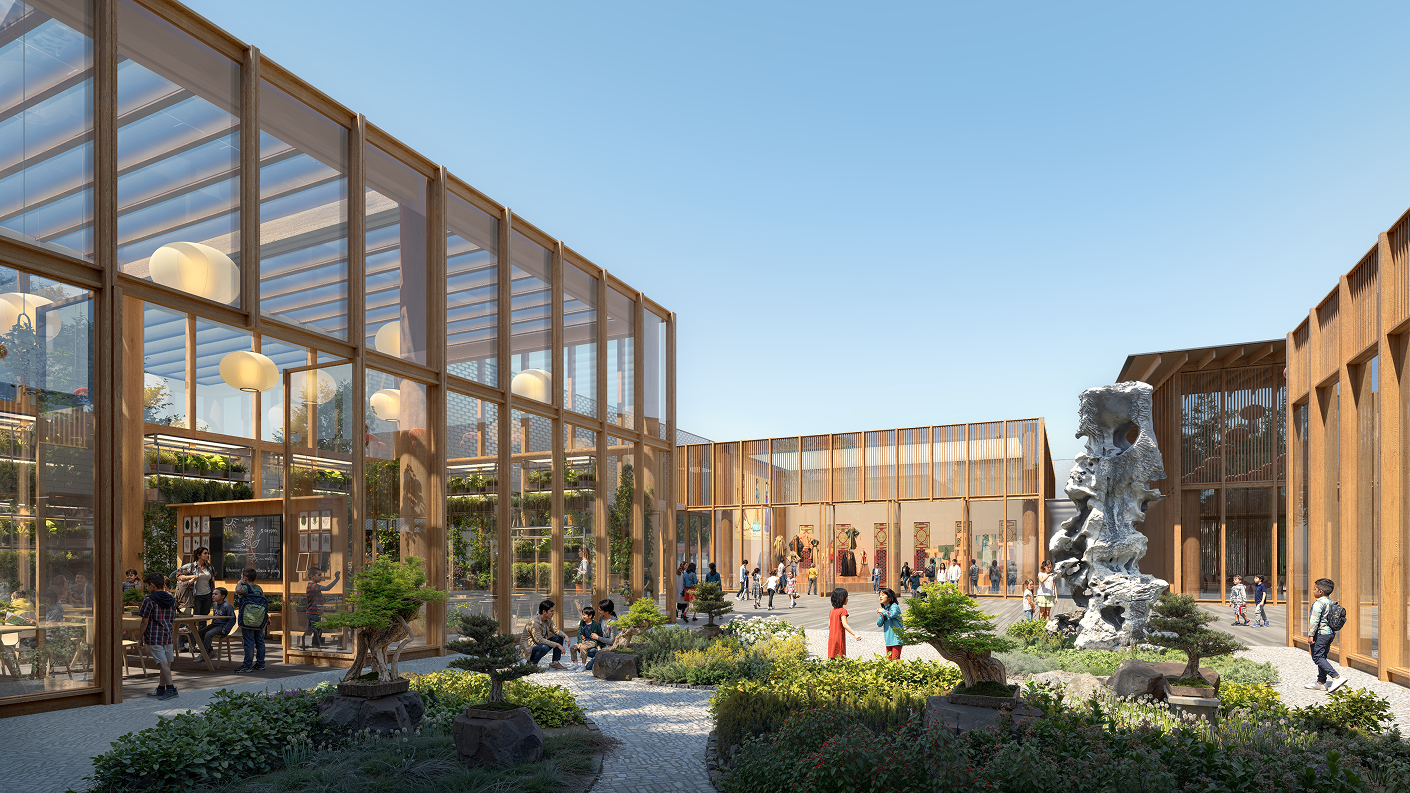
A project to expand Portland’s Lan Su Chinese Garden is exploring
mass timber through Portland’s Mass Timber Accelerator.
Rendering Credit: ZGF
SLB Story 1
Expands Lumber’s Momentum Nationwide
In the New York City mayor’s new “Block by Block” housing plan, released in May, the New York City Economic Development Corporation (NYCEDC) announced a third consecutive year of its Mass Timber Studio, which has become a national model for integrating renewable construction into broader economic development strategies.
A new SLB partnership with C40 Cities will help expand the Accelerator Cities Program even further. C40 is a network of mayors of the world’s leading cities working together to build healthier, more sustainable cities. Alongside Architecture 2030, a thought-leading nonprofit working to reduce the environmental impact of the built environment, the SLB and C40 will convene a group of city leaders to tour mass timber projects and learn how wood construction can help cities boost their economy, achieve affordability goals, and reduce housing costs.
With a new Accelerator Model Blueprint, the SLB is conducting focused outreach to activate new Accelerator Cities. The lumber industry’s continuing investment in the SLB ensures these programs will gain momentum through the SLB’s experience and participation.
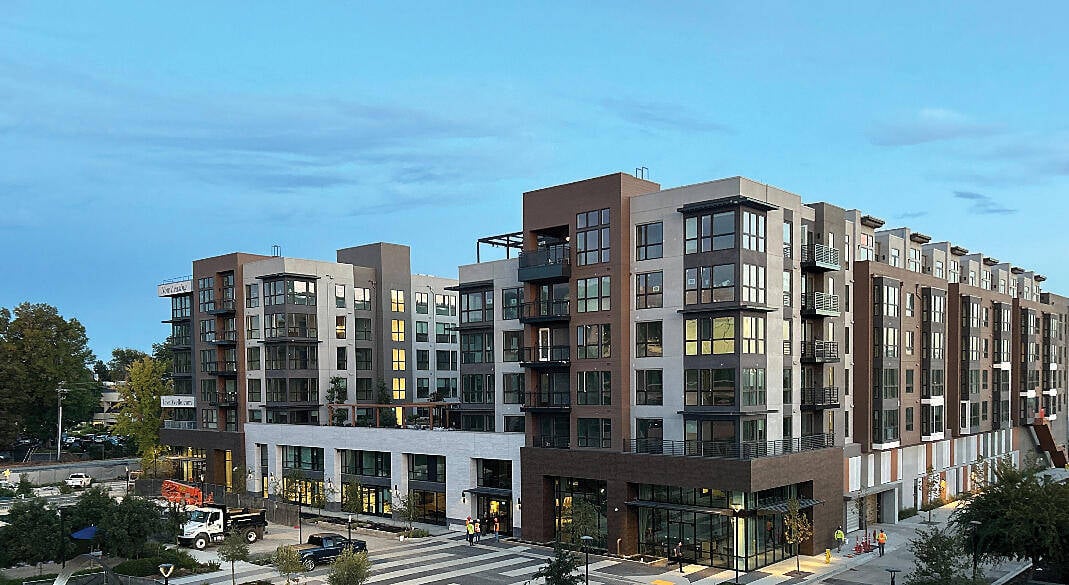
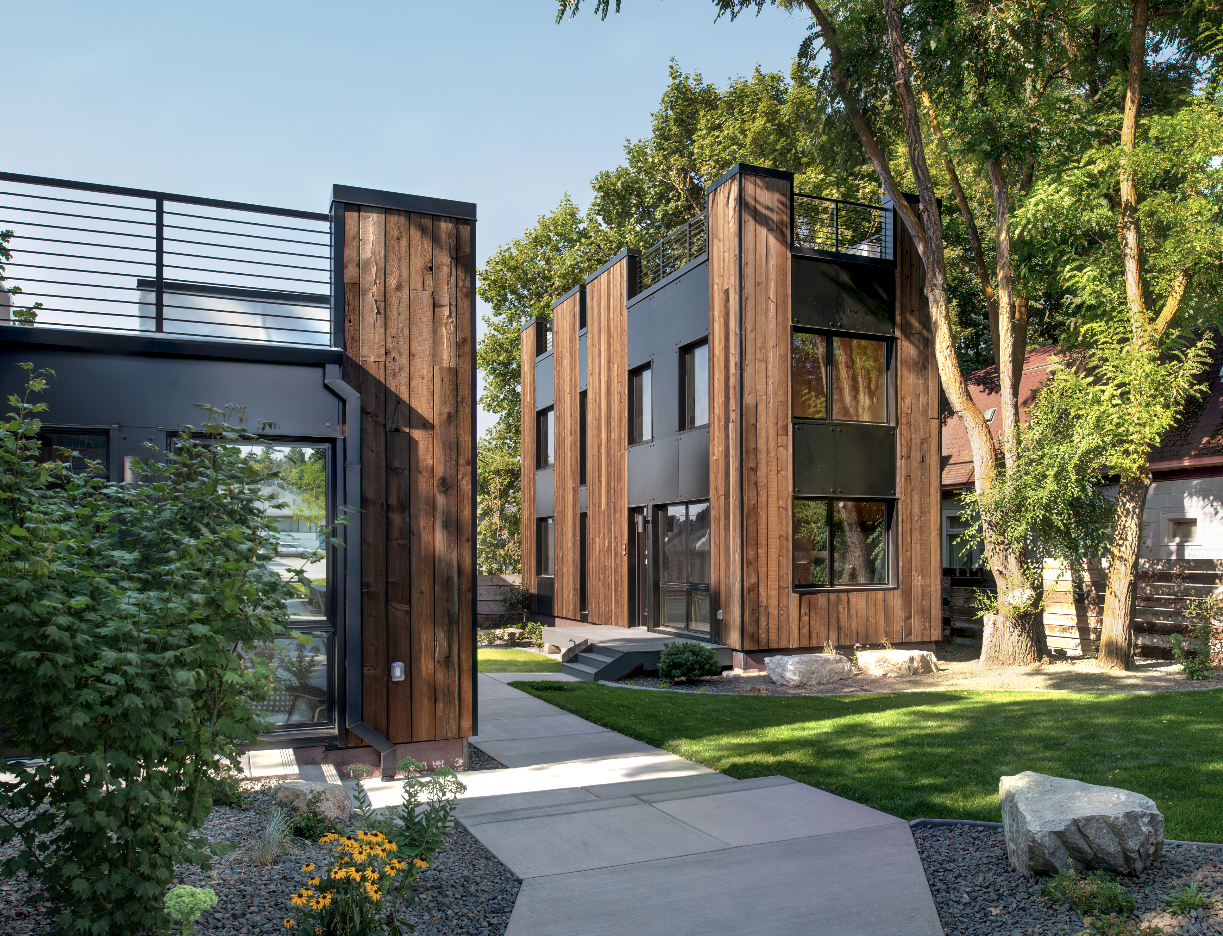
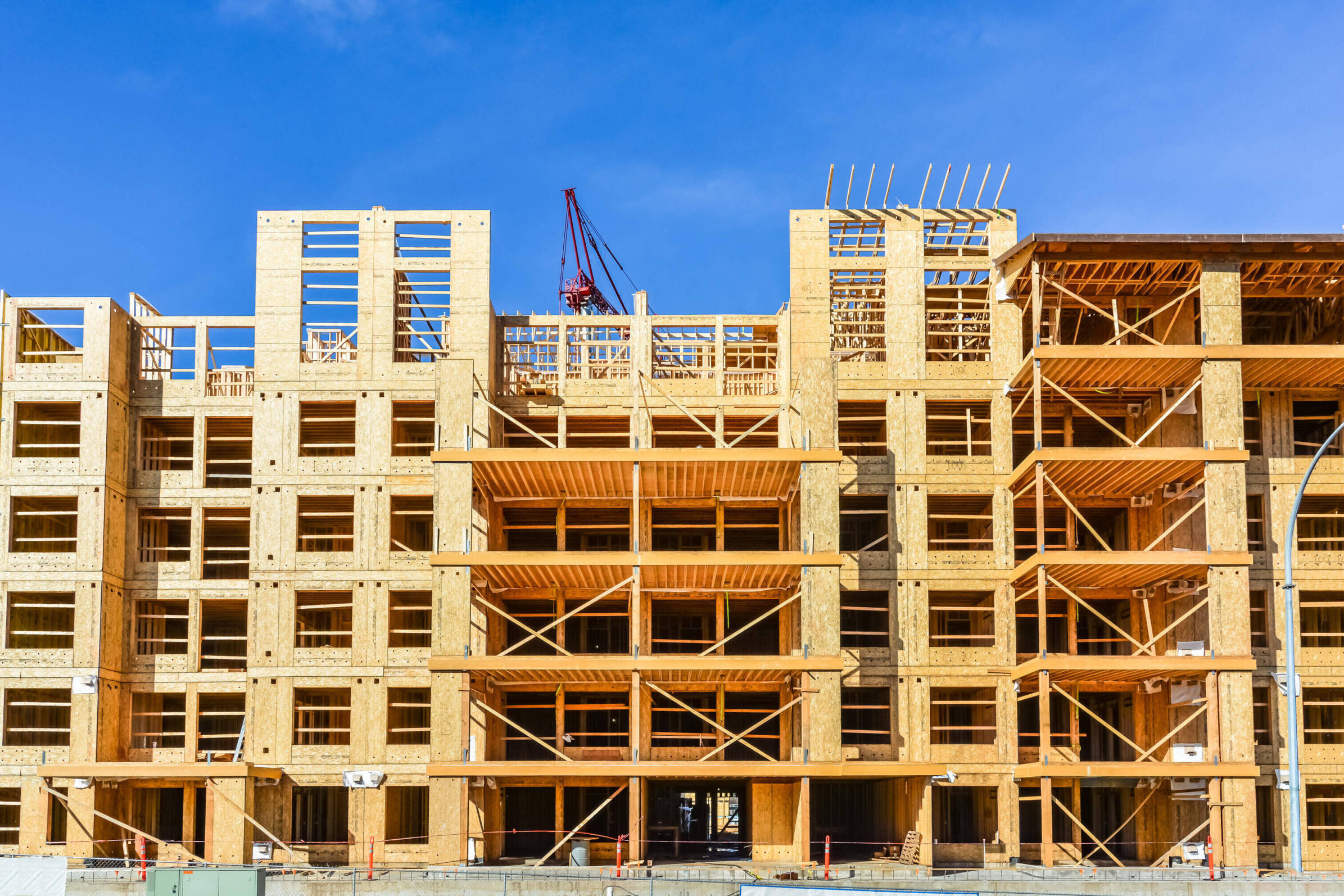
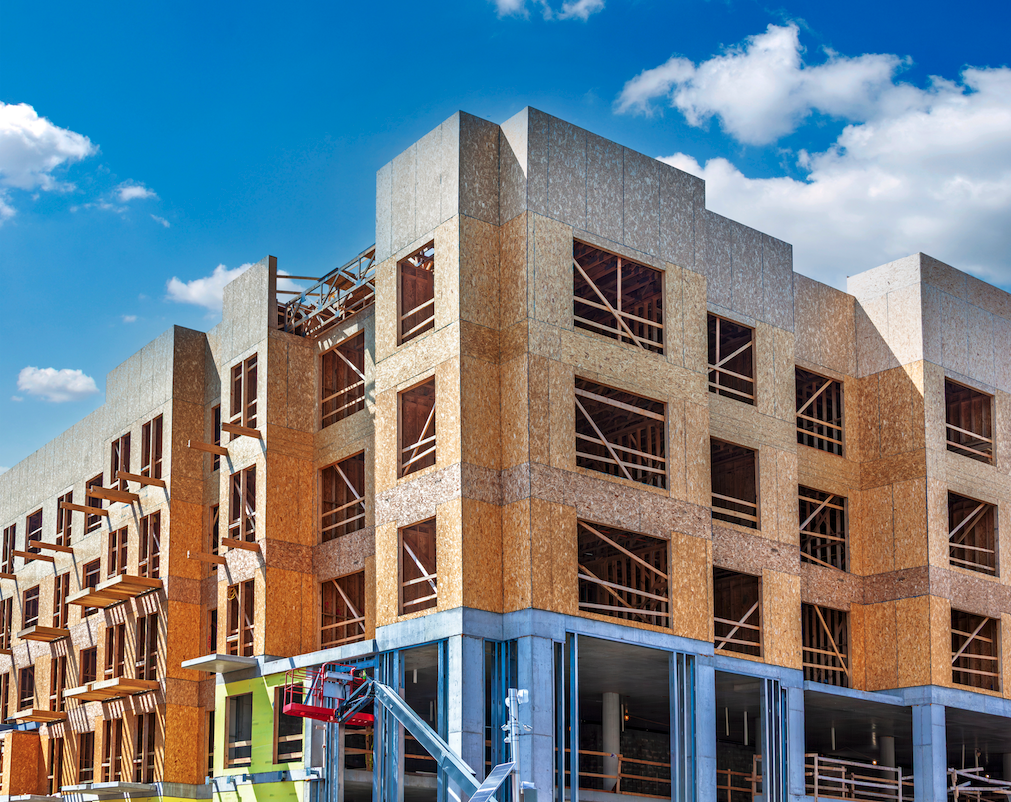
A key element of the SLB’s strategic plan is a focus on cities and regions where the potential for conversion to wood construction is highest. The SLB’s Accelerator Cities Program unlocks new lumber demand in those priority regional markets by combining the efforts of local governments, regional jurisdictions, and the softwood lumber industry to expand opportunities for new projects, remove barriers, and streamline code compliance.
Developed in partnership with the USDA Forest Service and supported by the U.S. Endowment for Forestry and Communities, the program’s initial pilots in Boston, New York City, and Georgia demonstrated that lumber-based systems can compete in dense, code-sensitive environments.
The SLB is now growing Accelerator Cities to new, high-impact urban markets across the country:
The City of Portland, Oregon, Housing Bureau’s Portland Mass Timber Accelerator is supporting five developments conducting feasibility studies for mass timber buildings to be constructed on city-owned parcels.
The City of Santa Monica, California’s Mass Timber Accelerator will fund early-stage mass timber design and feasibility work for residential, commercial, and institutional construction.
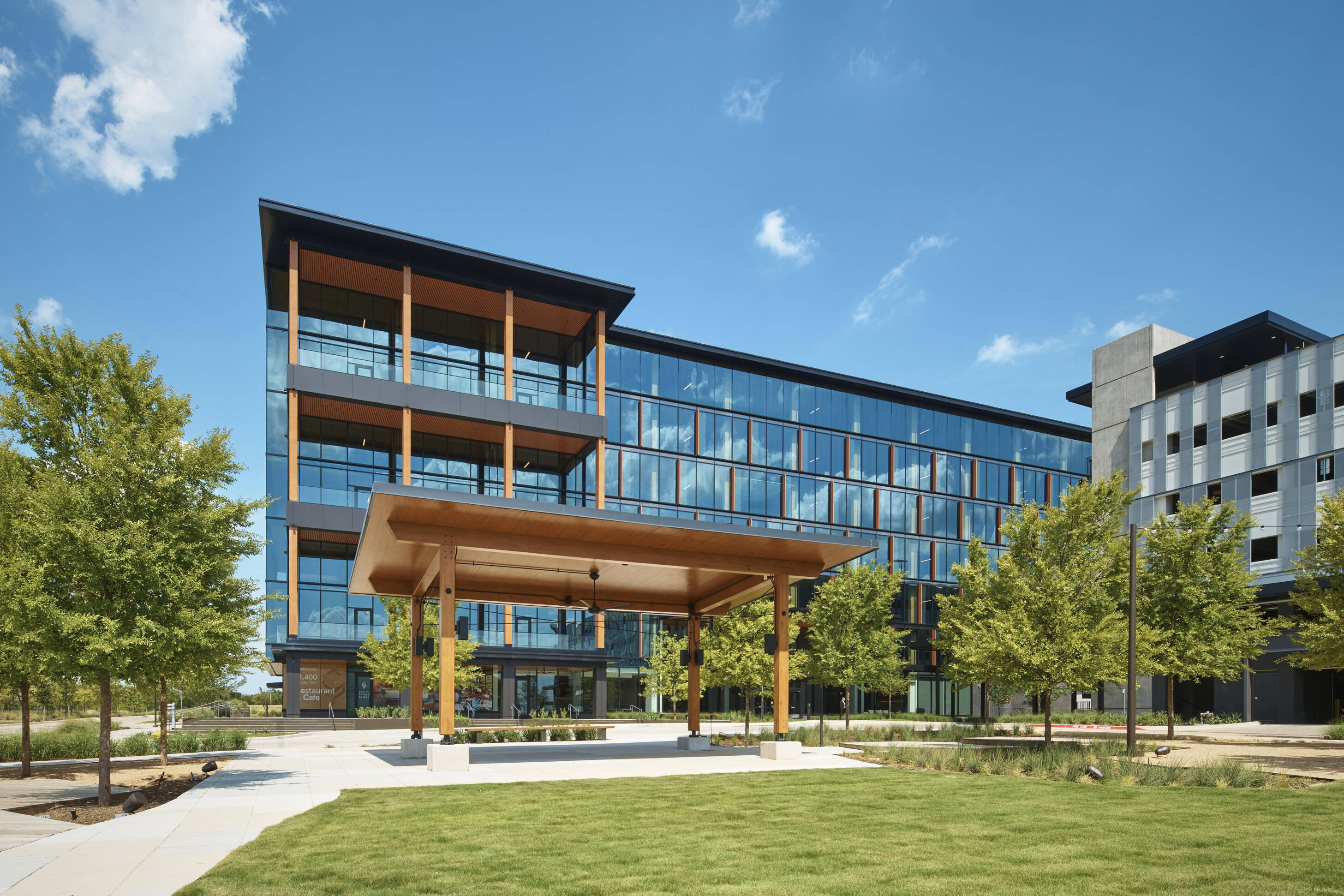
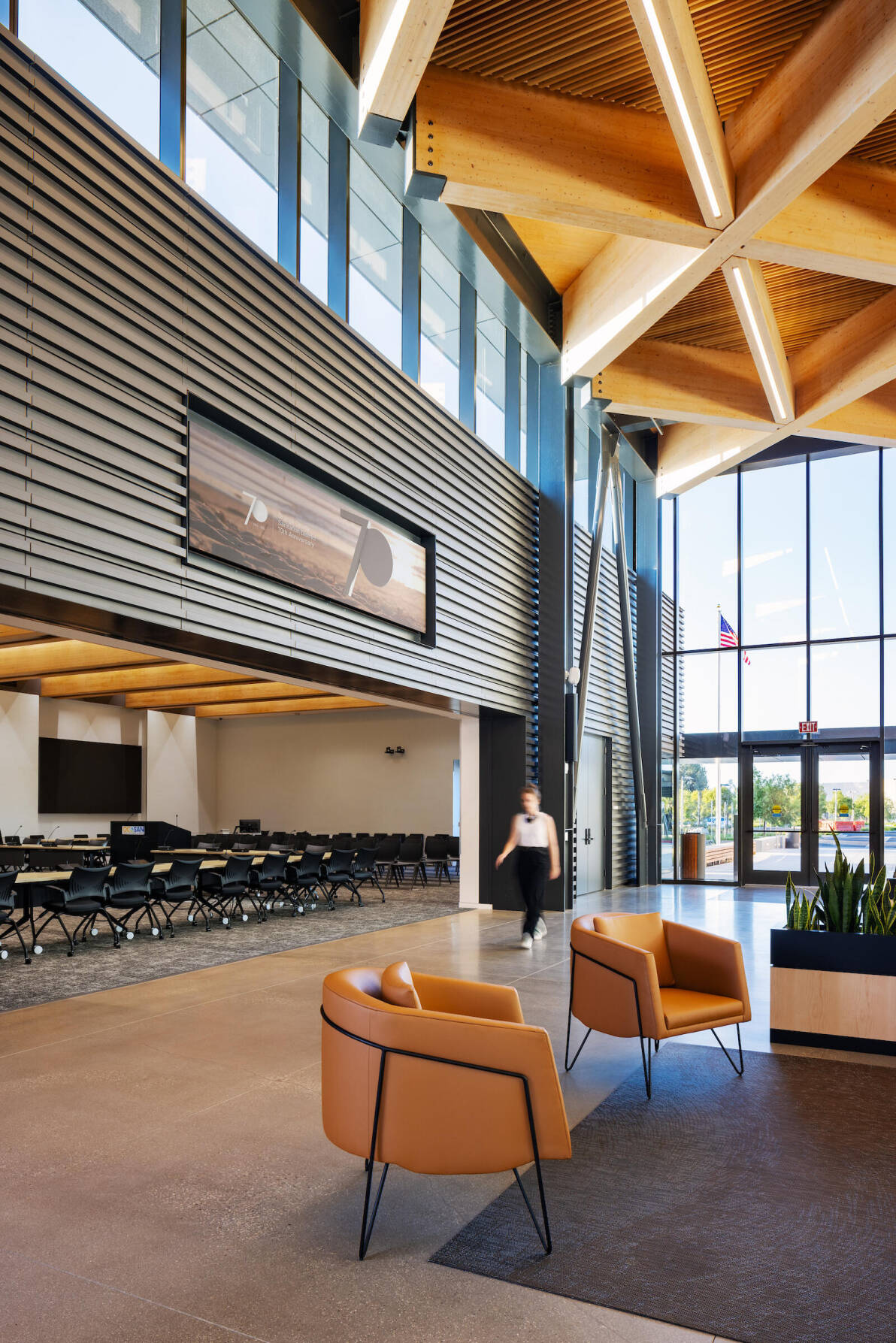
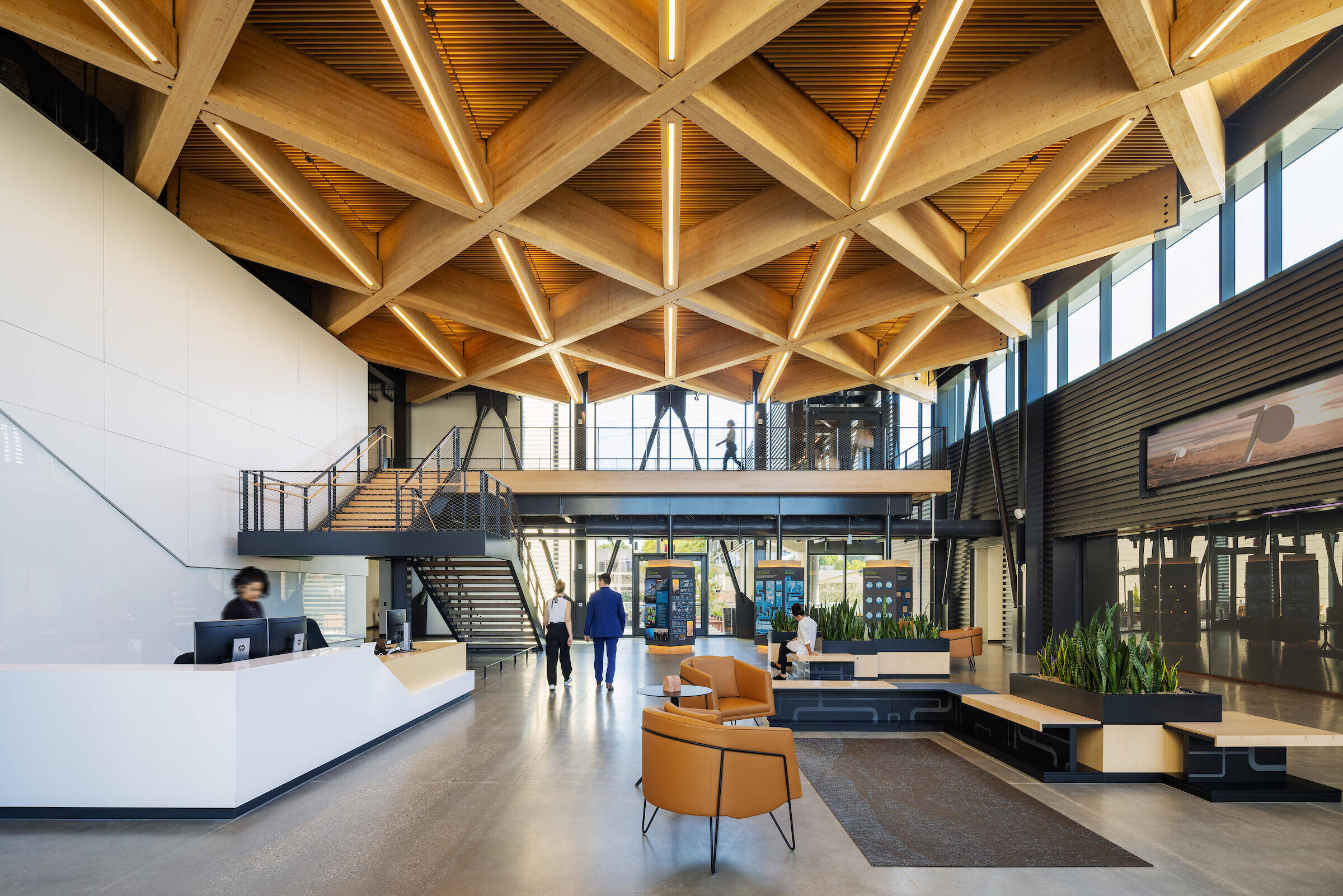
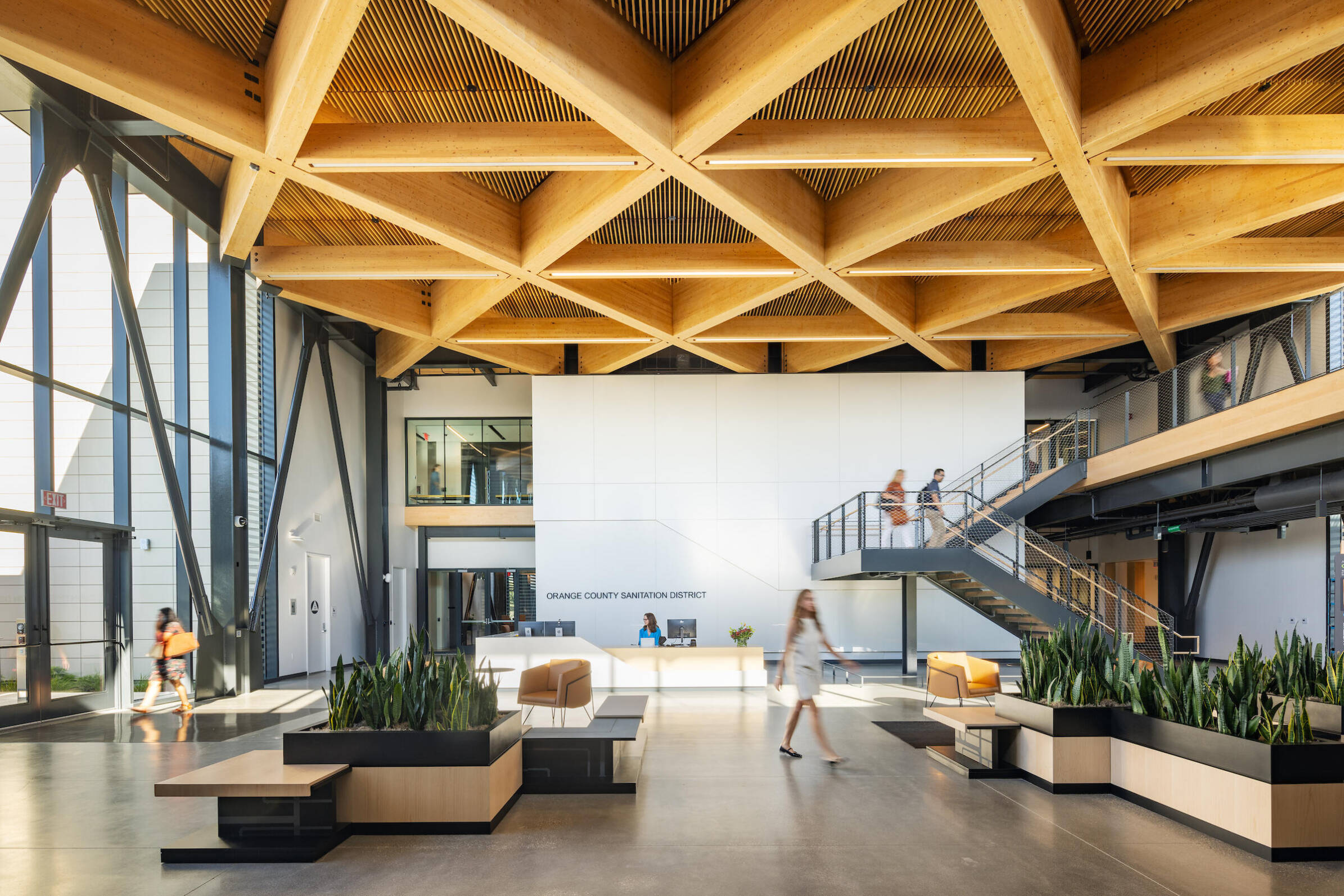
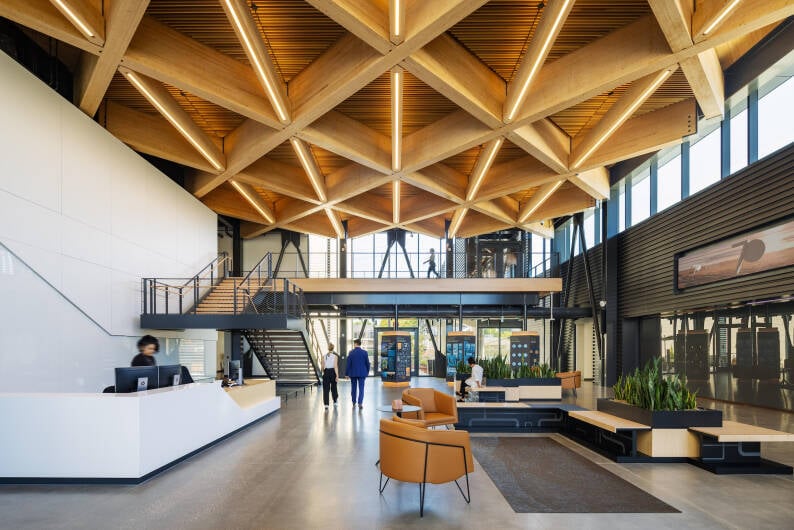
Orange County Sanitation District Headquarters
Photo Credit: Dan Schwalm
than at the end of 2025, driven by several significant light-frame
multifamily projects.
Orange County Sanitation District Headquarters
Photo Credit: Dan Schwalm
SF
BF
BF
SF
Directly Influenced
Hours

SLB Story 2
SLB’s Strategic Priorities
Across SLB-supported programs, the operating environment is becoming more data-driven, faster-moving, and more contested. Artificial intelligence allows the SLB and its programs to turn technical expertise and institutional knowledge into market influence more efficiently. In line with this opportunity, the SLB and its programs have moved from AI awareness into active implementation. Collectively, they are using AI to reduce administrative burden, improve content quality, and align more tightly with the SLB’s strategic priorities.
The pattern across programs is consistent: AI delivers the most value in tasks that are high-volume, repeatable, and document-intensive—drafting, summarizing, reporting, and media optimization. The SLB team is also developing AI tools to support strategic decision-making. For example, complex studies with large amounts of data become easier to work with and keep up to date when developed into a chat-based tool rather than a static document with a shorter shelf life. SLB programs are thoughtfully integrating AI where it adds value, while maintaining rigorous expert review standards for technical and code-related content.
As construction becomes increasingly data-driven, AI enables SLB programs to scale expertise, improve responsiveness, strengthen market access, and position wood more competitively in the next generation of building design, sustainability, and code development.
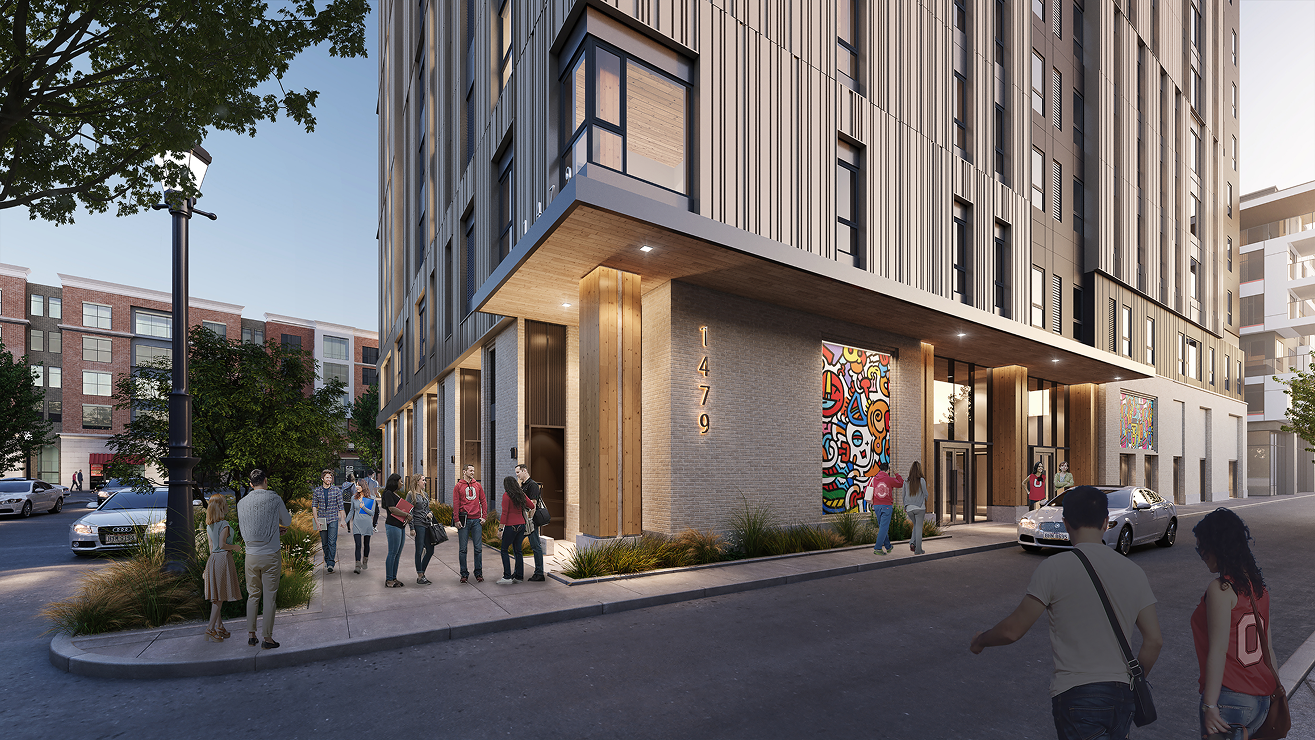
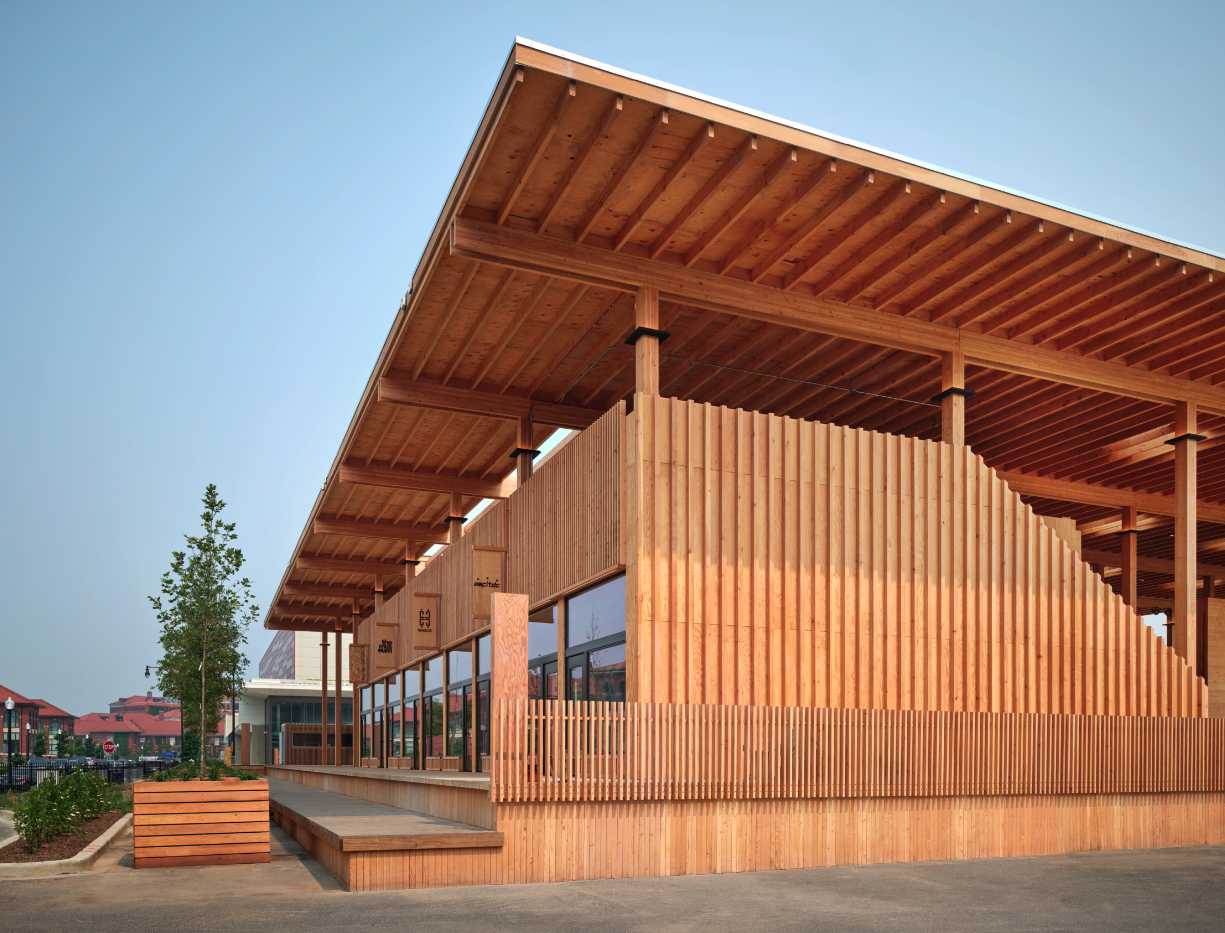
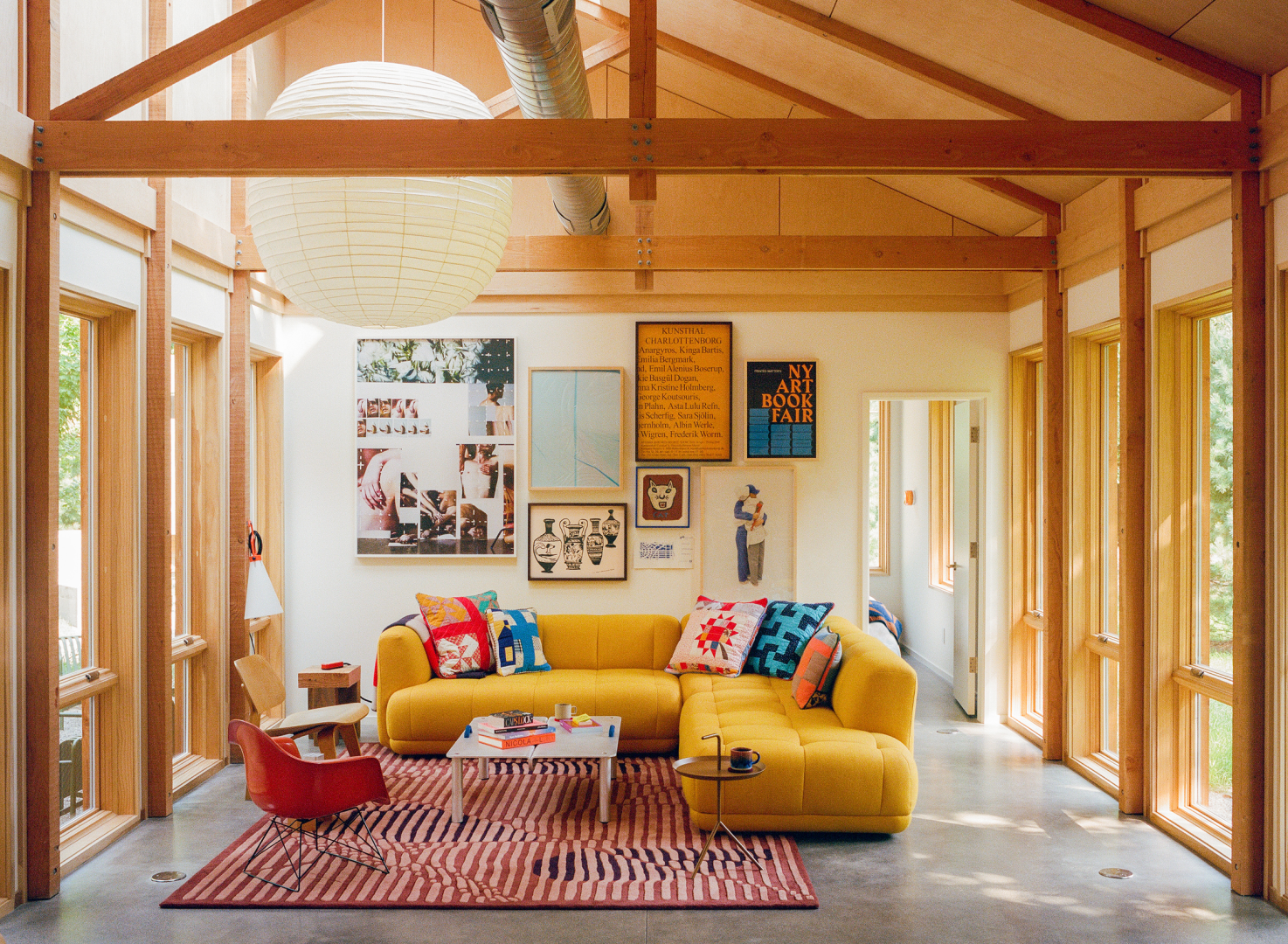
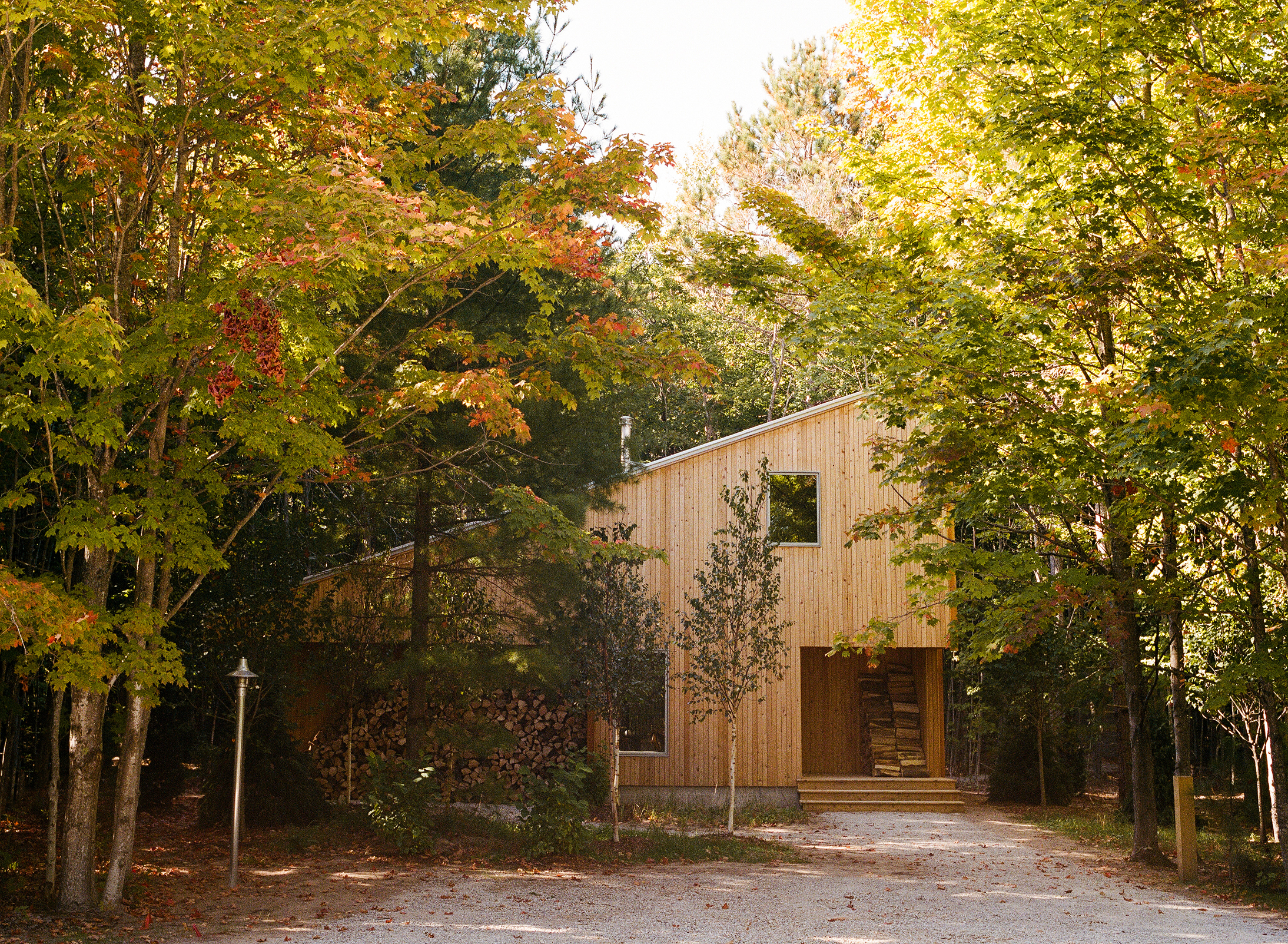
Parcel Friends | Studio Bardo
Photo Credit: Chris Cox
or employees?
Rate
Prospects
2,401 Cumulative SQLs
Generated

Parcel Friends | Studio Bardo
Photo Credit: Chris Cox
SLB Story 3
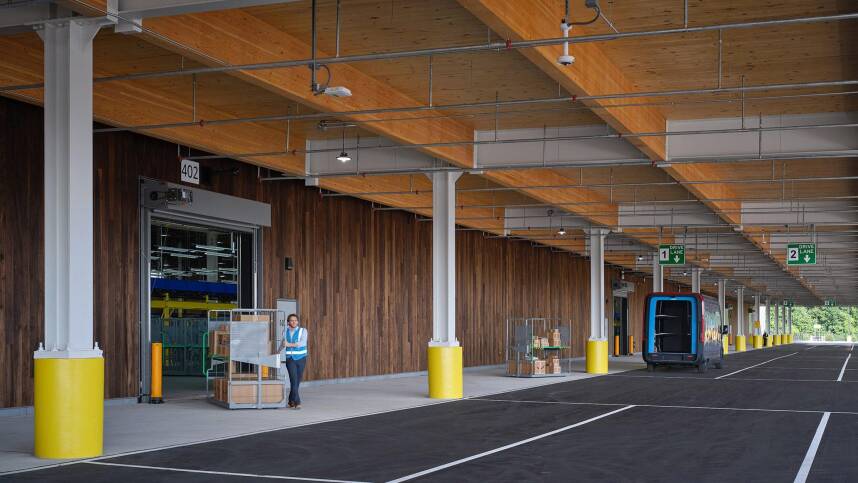
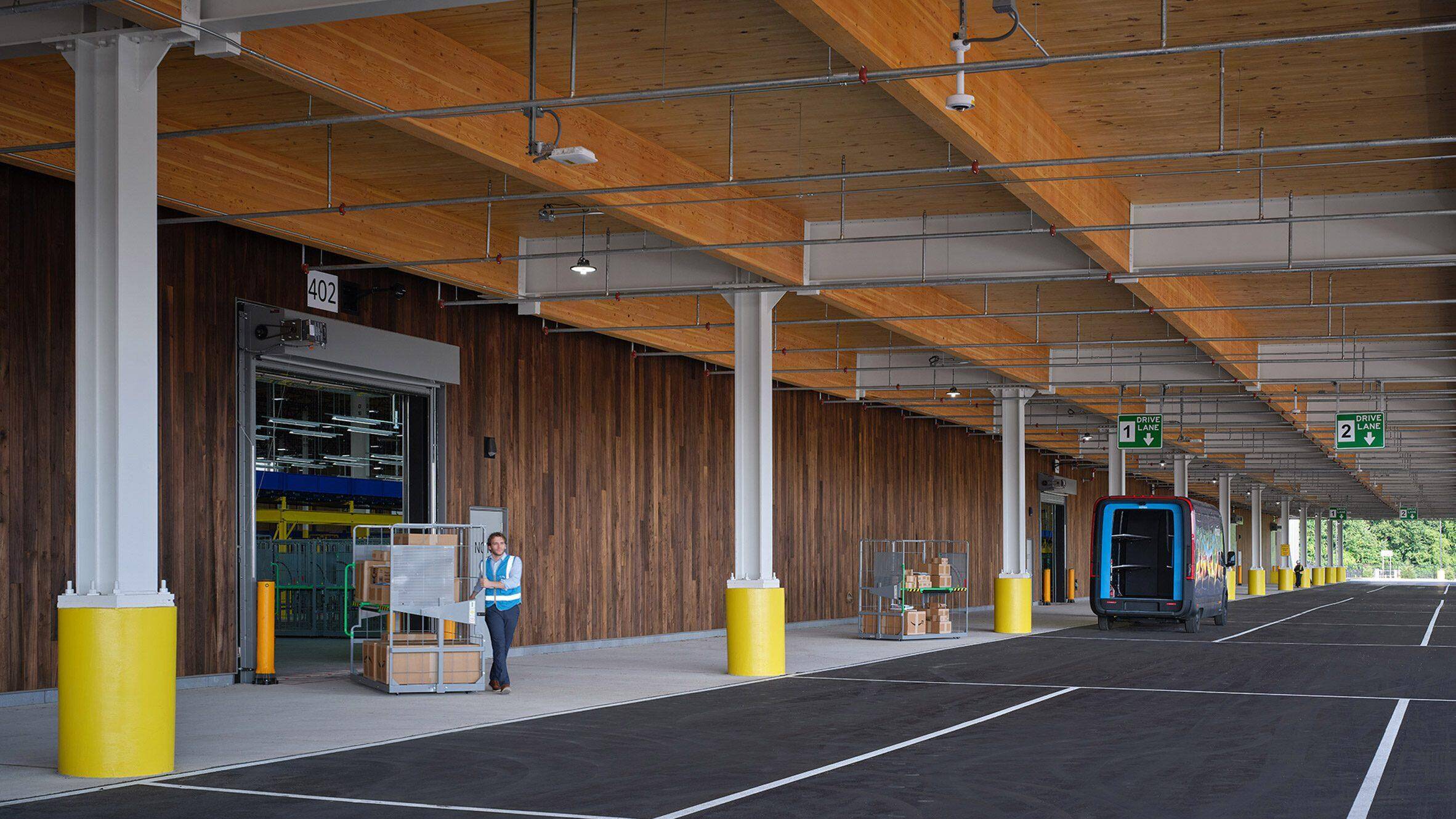
Amazon Delivery Station D115
Photo Credit: ZGF Architects
Mass Timber Logistics Facility
Warehouses, logistics facilities, and data centers are examples of segments where changing the mindset of a few massive enterprises can have an outsize impact on lumber demand. One industry expert estimates 10% of mass timber sold in 2025 went to data center-
related projects.
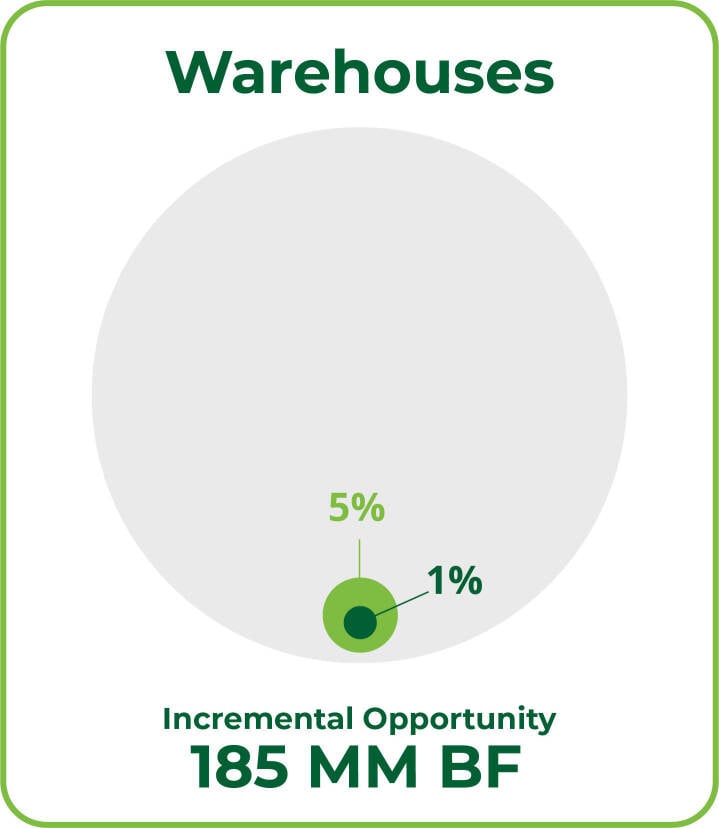
Warehouses are a priority construction segment in the SLB’s strategic plan, with an incremental volume opportunity of 178 MM BF at just
5% market share, with significant upside as penetration increases.
As a trusted advisor to several companies exploring wood solutions nationwide, WoodWorks is laying the groundwork for broader industrial adoption, positioning lumber for growth as warehouse and data center construction gains momentum nationwide.
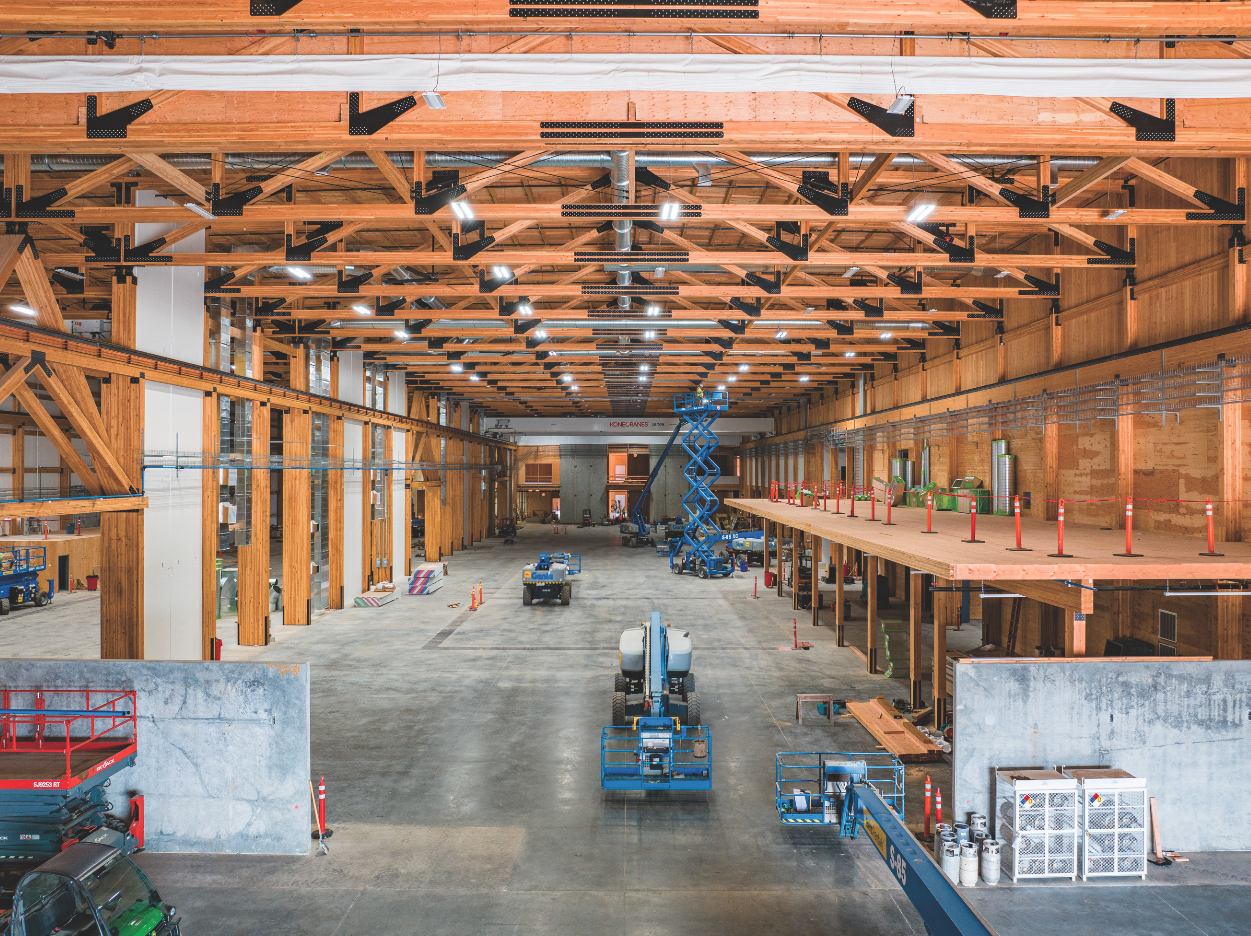
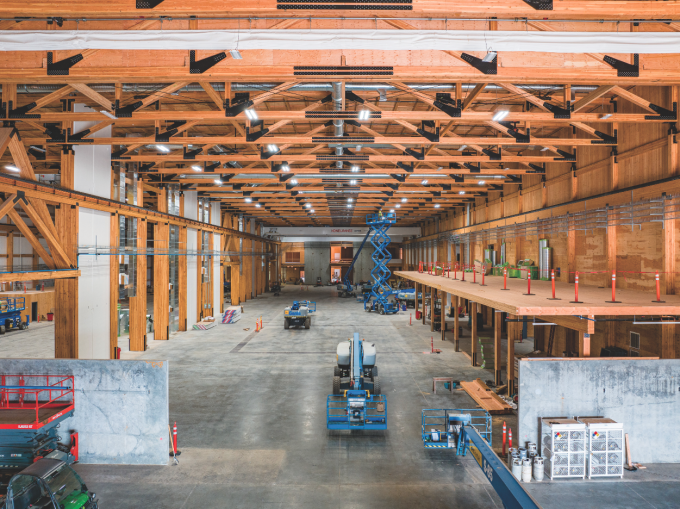
The first large-scale owner-occupied logistics facility in the United States built with mass timber, Amazon’s new Delivery Station DII5,
is now on the WoodWorks Innovation Network and was featured at International Mass Timber Conference. A keynote presentation by Amazon and Meta focused on how these companies are exploring mass timber for campuses, warehouses, and data centers. Amazon also discussed its facility in depth during a panel discussion that included project team members from ZGF Architects, KPFF, Graycor, and Sterling Structural.
WoodWorks served as a technical advisor on this project, with multiple staff providing support. Delivery Station DII5 sets a new benchmark for sustainable industrial construction, incorporating 40 carbon-reduction initiatives and demonstrating how incorporating lumber-based structural systems can reduce the embodied carbon of warehouses and contribute to occupant well-being through biophilic design.
It includes a hybrid panelized wood roof system and CLT walls in the warehouse and two 550-foot-long mass timber canopies on the building’s exterior. Mass timber is also used extensively in the office block. The project includes more than 1,100 CLT panels manufactured from U.S.-sourced southern pine.


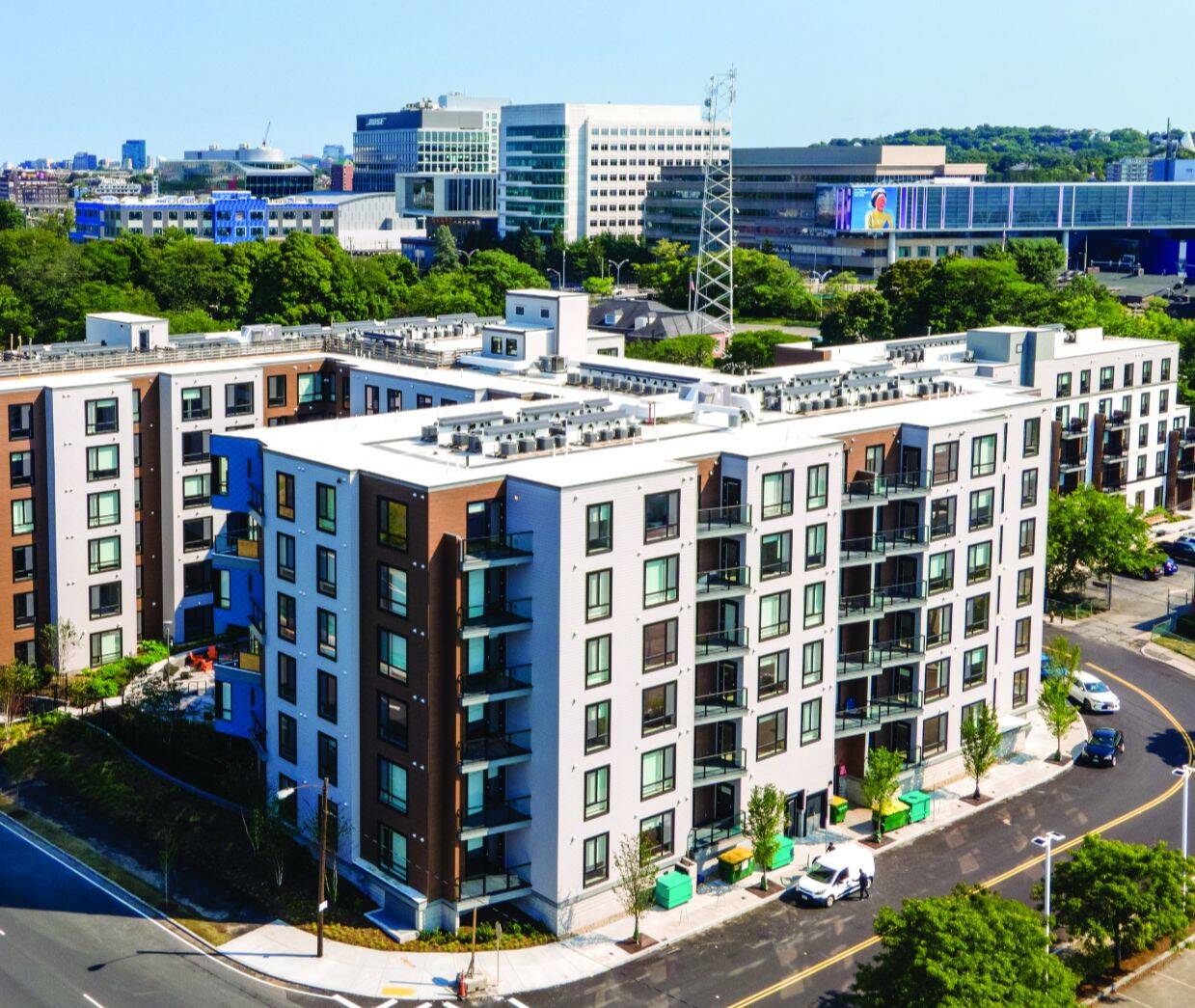
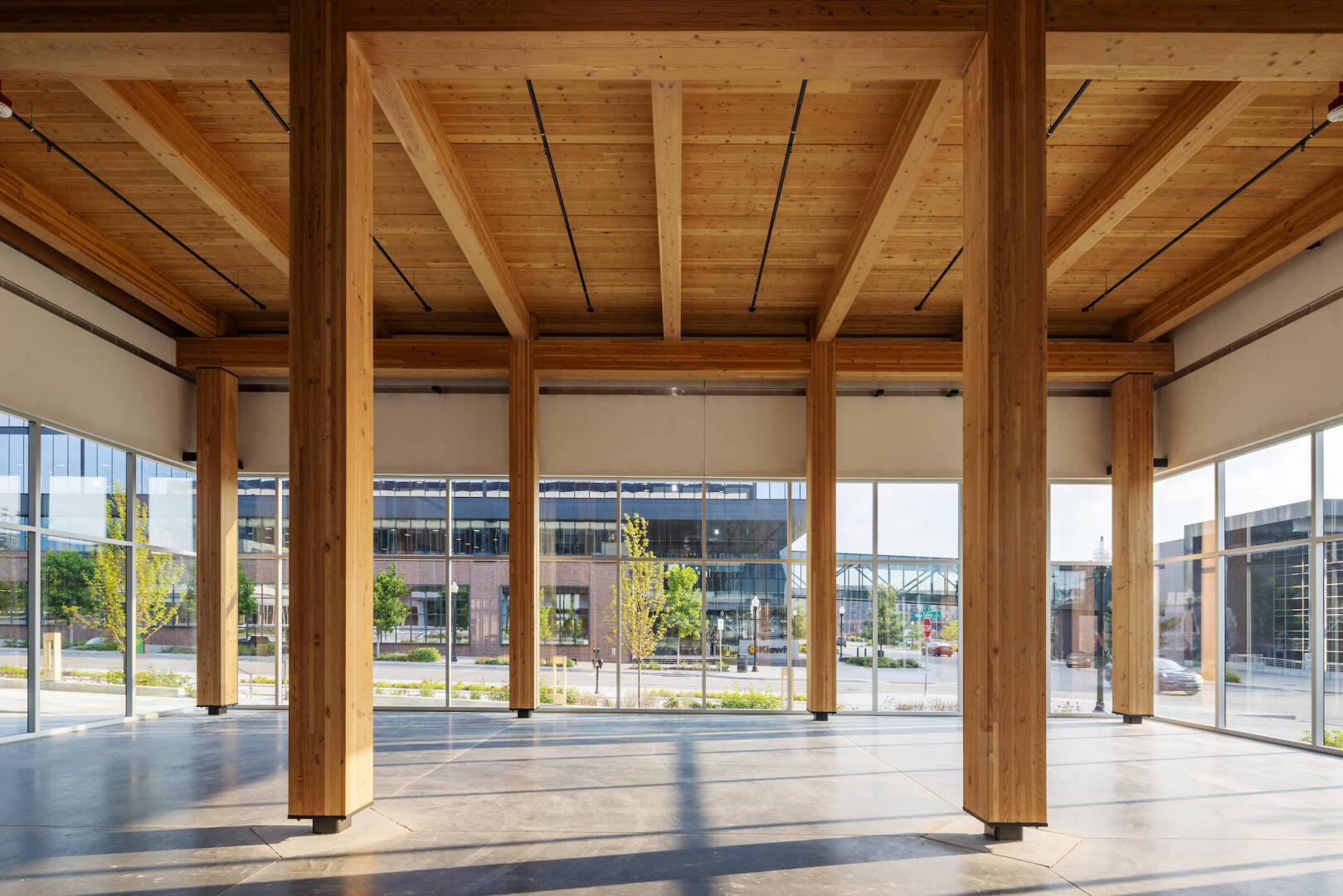
1501 Mike Fahey
Photo Credit: Dan Schwalm
Trainings Held
held
Hours Logged
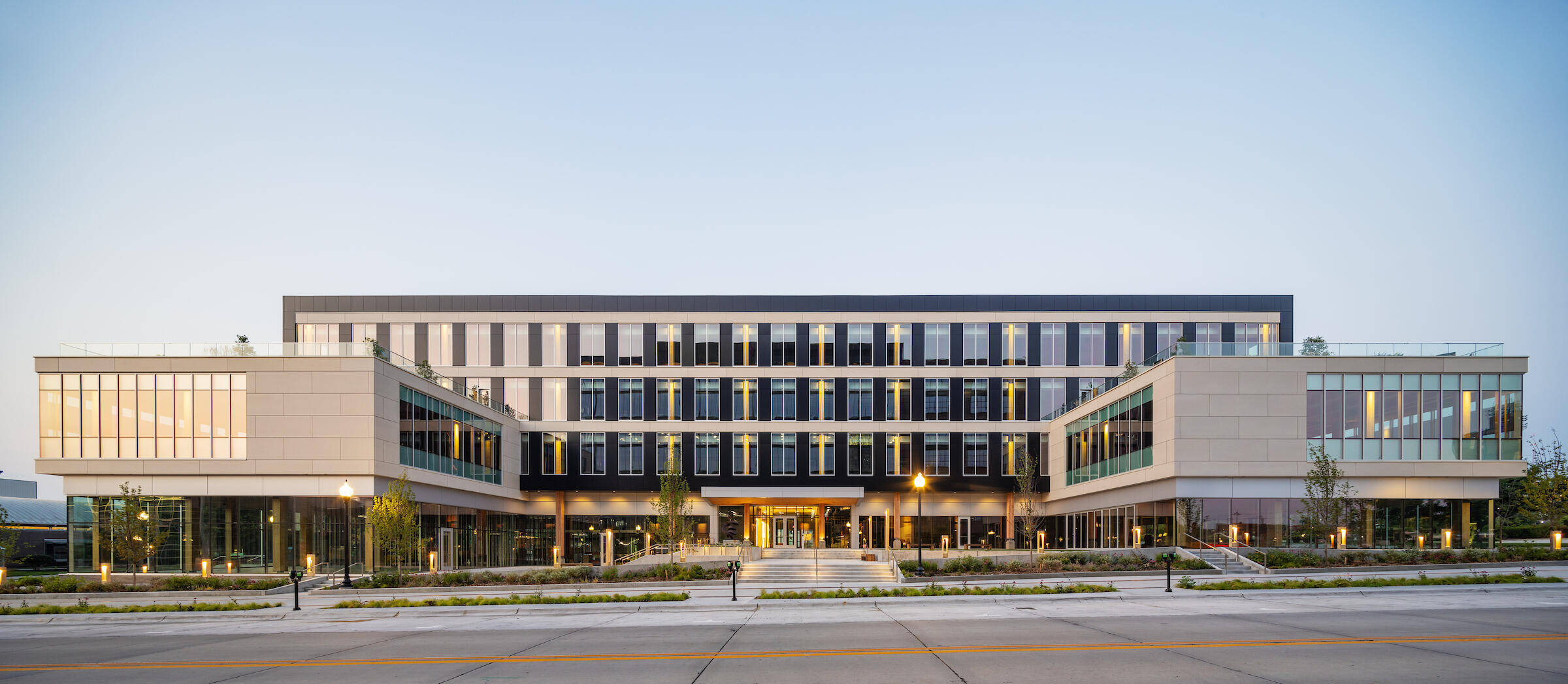
1501 Mike Fahey
Photo Credit: Dan Schwalm
the sustainable wood building products industry in the codes, standards,
and sustainability arenas.
Products Competitive

If you have any questions about any SLB reports,
please email info@softwoodlumberboard.org.

Annual Report
Annual Report
Annual Report





Q1 HIGHLIGHTS

INCREASING LUMBER USE




WoodWorks Supported Warehouses
Want to read more SLB stories?
Jump to these stories.
AI Adoption Supports Strategic Priorities
SLB Accelerator Cities Program
Read more about
the path to 2.9 BBF
In a competitive market for construction materials, focus is essential.
In 2026, the SLB continues to prioritize high-opportunity sectors, geographies, and building types where lumber has clear advantages and the path to conversion is shortest.
1 of 4
Designers and Builders
SLB Education is advancing wood design and construction education in postsecondary schools—something that competing industries have been doing for decades. The program has now held 12 faculty workshops at institutions nationwide, equipping 300 educators with the knowledge, incentives, and resources to bring lumber-based building systems to the forefront of their classrooms. In addition to holding five more faculty workshops in 2026, SLB Education is working to remove structural barriers that prevent wood design courses from being included in postsecondary programs.
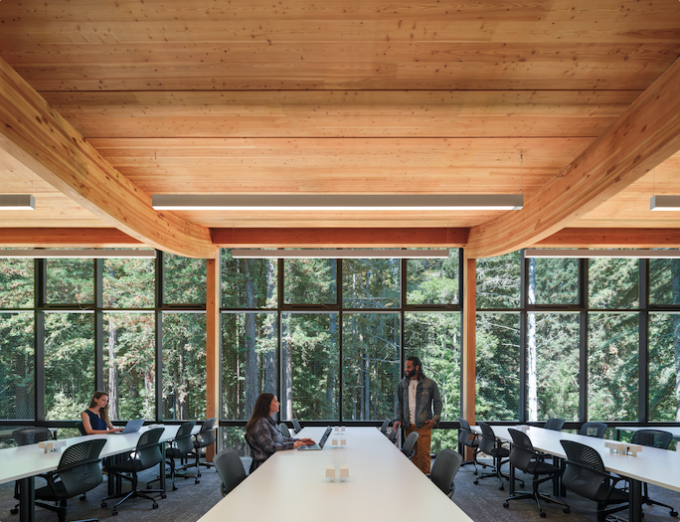
California College of Arts | Studio Gang
Photo Credit: Jason O’Rear
The SLB and its funded programs continued to generate momentum for lumber demand growth in Q1. This strong performance was the result of disciplined focus and collaboration between the SLB’s four primary funded programs: SLB Education, the American Wood Council, Think Wood, and WoodWorks. These efforts were driven by the SLB’s strategic plan, which lays out a clear roadmap to 2.9 BBF of incremental annual lumber demand by 2035.
In 2026, the SLB is sharpening its focus on what works by focusing on creating, defending, and implementing building codes and standards, amplifying design and construction best practices, inspiring innovation in new performance applications, and providing technical solutions to challenges for specifiers and contractors.
Is Positioned to
Capture More Market
Share in 2026

BY THE NUMBERS
Sponsored Forum
SLB Story 1
A project to expand Portland’s Lan Su Chinese Garden is exploring mass timber through Portland’s Mass Timber Accelerator. Rendering Credit: ZGF
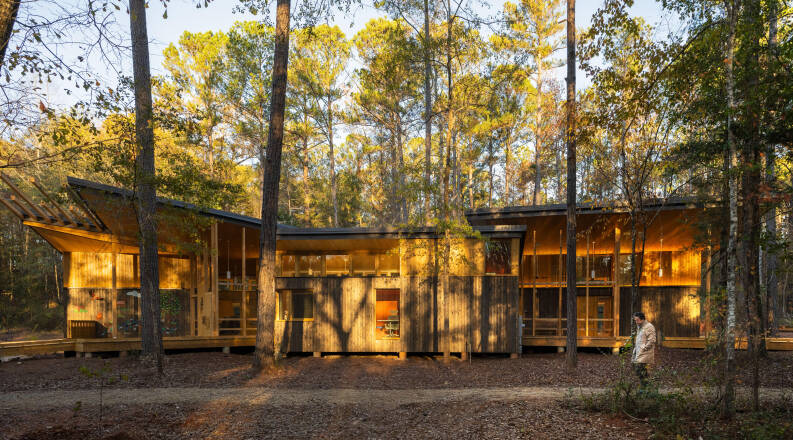
A key element of the SLB’s strategic plan is a focus on cities and regions where the potential for conversion to wood construction is highest. The SLB’s Accelerator Cities Program unlocks new lumber demand in those priority regional markets by combining the efforts of local governments, regional jurisdictions, and the softwood lumber industry to expand opportunities for new projects, remove barriers, and streamline code compliance.
Developed in partnership with the USDA Forest Service and supported by the U.S. Endowment for Forestry and Communities, the program’s initial pilots in Boston, New York City, and Georgia demonstrated that lumber-based systems can compete in dense, code-sensitive environments.
The SLB is now growing Accelerator Cities to new, high-impact urban markets across the country:
The City of Portland, Oregon, Housing Bureau’s Portland Mass Timber Accelerator is supporting five developments conducting feasibility studies for mass timber buildings to be constructed on city-owned parcels.
The City of Santa Monica, California’s Mass Timber Accelerator will fund early-stage mass timber design and feasibility work for residential, commercial, and institutional construction.
In the New York City mayor’s new “Block by Block” housing plan, released in May, the New York City Economic Development Corporation (NYCEDC) announced a third consecutive year of its Mass Timber Studio, which has become a national model for integrating renewable construction into broader economic development strategies.
A new SLB partnership with C40 Cities will help expand the Accelerator Cities Program even further. C40 is a network of mayors of the world’s leading cities working together to build healthier, more sustainable cities. Alongside Architecture 2030, a thought-leading nonprofit working to reduce the environmental impact of the built environment, the SLB and C40 will convene a group of city leaders to tour mass timber projects and learn how wood construction can help cities boost their economy, achieve affordability goals, and reduce housing costs.
With a new Accelerator Model Blueprint, the
SLB is conducting focused outreach to activate new Accelerator Cities. The lumber industry’s continuing investment in the SLB ensures these programs will gain momentum through the
SLB’s experience and participation.
Cities Program
Expands Lumber’s
Momentum Nationwide

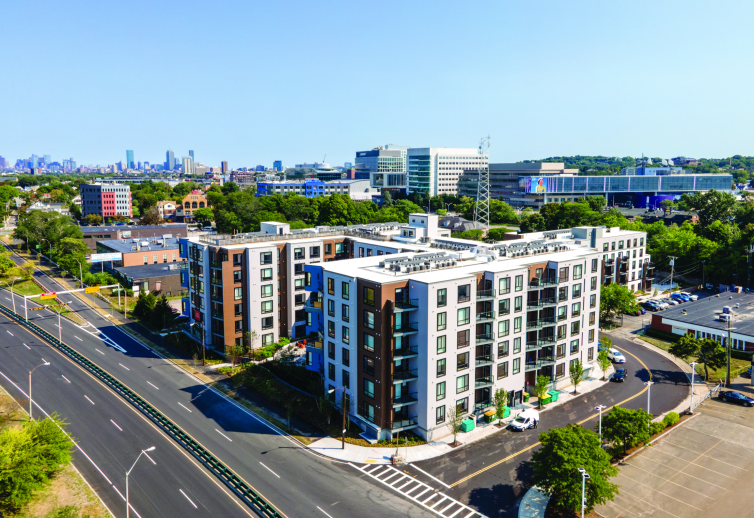
Orange County Sanitation District Headquarters
Photo Credit: Dan Schwalm
BY THE NUMBERS
SLB Story 2

Across SLB-supported programs, the operating environment is becoming more data-driven, faster-moving, and more contested. Artificial intelligence allows the SLB and its programs to turn technical expertise and institutional knowledge into market influence more efficiently. In line with this opportunity, the SLB and its programs have moved from AI awareness into active implementation. Collectively, they are using AI to reduce administrative burden, improve content quality, and align more tightly with the SLB’s strategic priorities.
The pattern across programs is consistent:
AI delivers the most value in tasks that are high-volume, repeatable, and document-intensive—drafting, summarizing, reporting, and media optimization. The SLB team is also developing AI tools to support strategic decision-making. For example, complex studies with large amounts of data become easier to work with and keep up to date when developed into a chat-based tool rather than a static document with a shorter shelf life. SLB programs are thoughtfully integrating AI where it adds value, while maintaining rigorous expert review standards for technical and code-related content.
As construction becomes increasingly data-driven, AI enables SLB programs to scale expertise, improve responsiveness, strengthen market access, and position wood more competitively in the next generation of building design, sustainability, and code development.
SLB’s Strategic Priorities
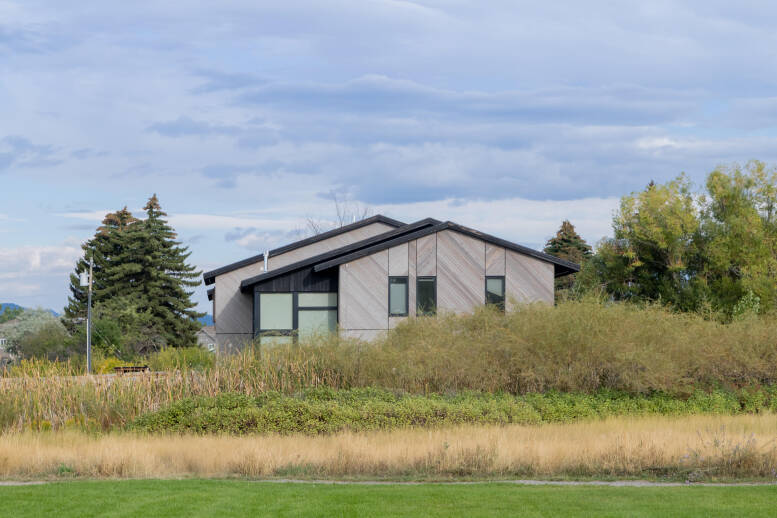
Parcel Friends | Studio Bardo
Photo Credit: Chris Cox

BY THE NUMBERS
Inspire Architects and Developers
SLB Story 3
Amazon Delivery Station D115
Photo Credit: ZGF Architects
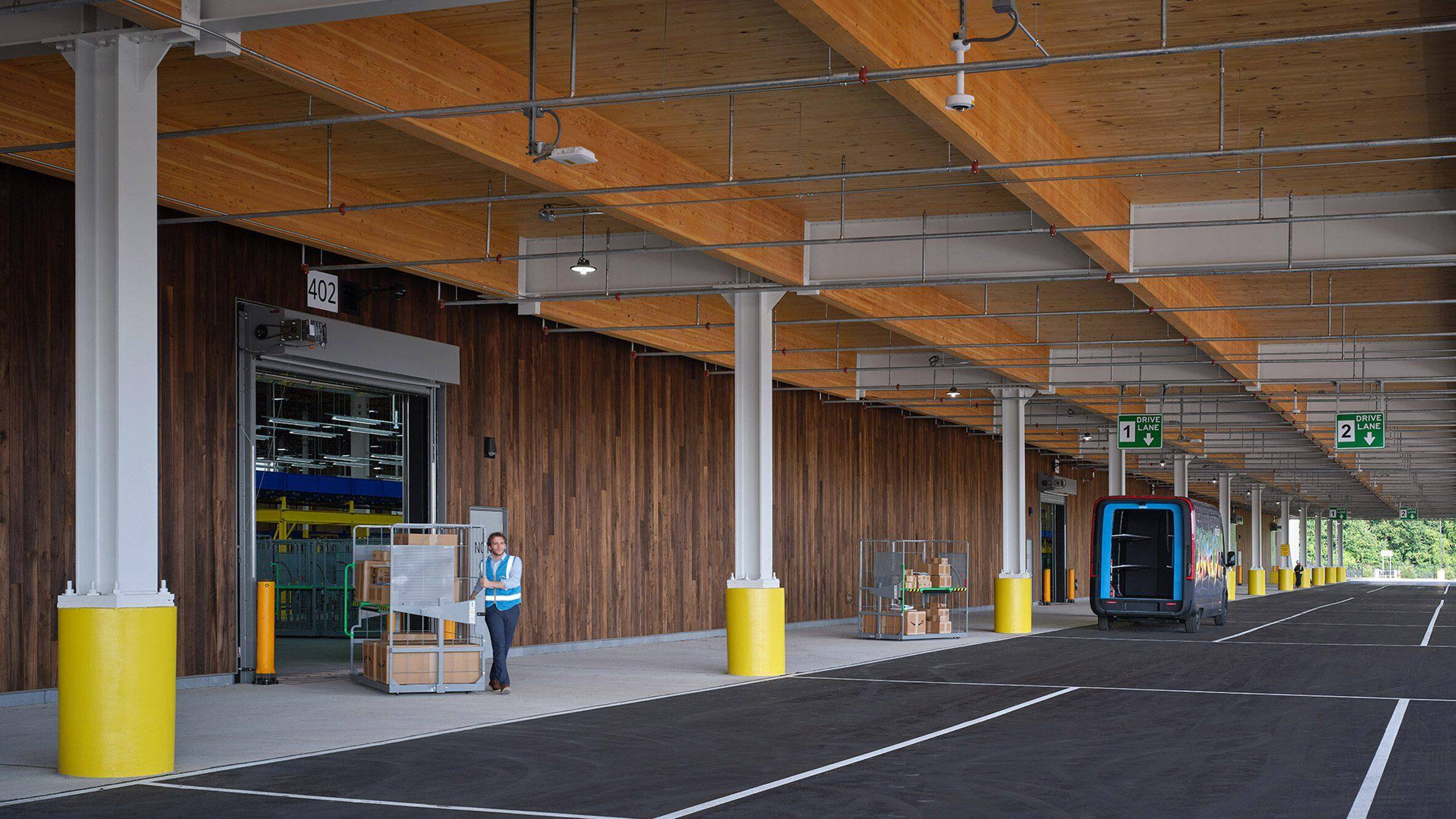
The first large-scale owner-occupied logistics facility in the United States built with mass timber, Amazon’s new Delivery Station DII5,
is now on the WoodWorks Innovation Network and was featured at International Mass Timber Conference. A keynote presentation by Amazon and Meta focused on how these companies are exploring mass timber for campuses, warehouses, and data centers. Amazon also discussed its facility in depth during a panel discussion that included project team members from ZGF Architects, KPFF, Graycor, and Sterling Structural.
WoodWorks served as a technical advisor on this project, with multiple staff providing support. Delivery Station DII5 sets a new benchmark for sustainable industrial construction, incorporating 40 carbon-reduction initiatives and demonstrating how incorporating lumber-based structural systems can reduce the embodied carbon of warehouses and contribute to occupant well-being through biophilic design.
It includes a hybrid panelized wood roof system and CLT walls in the warehouse and two 550-foot-long mass timber canopies on the building’s exterior. Mass timber is also used extensively in the office block. The project includes more than 1,100 CLT panels manufactured from U.S.-sourced southern pine.
Warehouses, logistics facilities, and data centers are examples of segments where changing the mindset of a few massive enterprises can have an outsize impact on lumber demand. One industry expert estimates 10% of mass timber sold in 2025 went to data center-related projects.
Warehouses are a priority construction segment in the SLB’s strategic plan, with an incremental volume opportunity of 178 MM BF at just
5% market share, with significant upside as penetration increases. As a trusted advisor to several companies exploring wood solutions nationwide, WoodWorks is laying the groundwork for broader industrial adoption, positioning lumber for growth as warehouse and data center construction gains momentum nationwide.
WoodWorks-Supported
Mass Timber Logistics
Facility
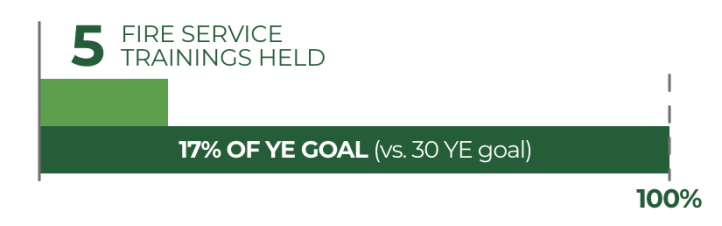
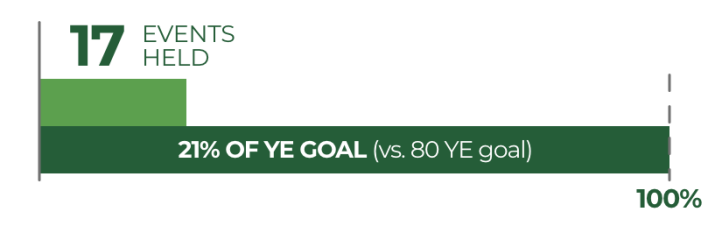
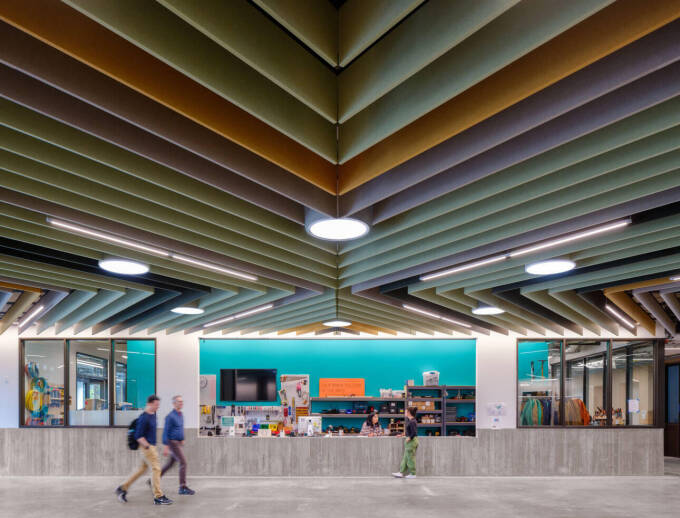
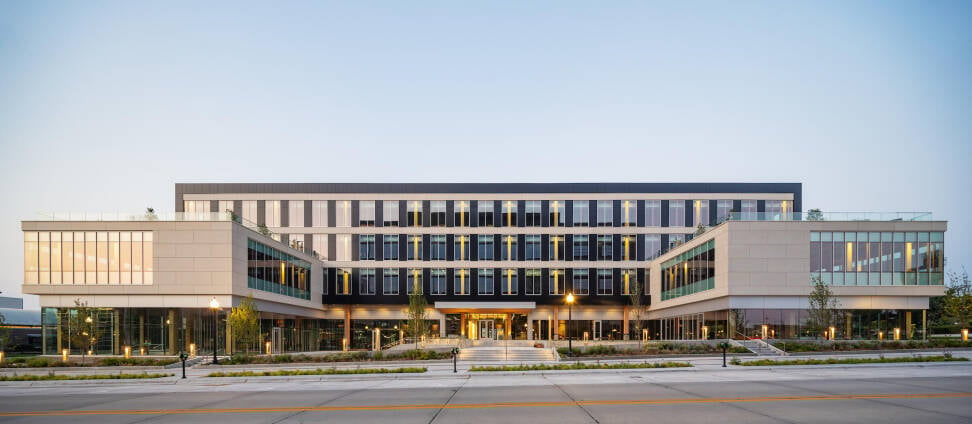
1501 Mike Fahey
Photo Credit: Dan Schwalm

BY THE NUMBERS
Competitiveness Through Engagementin Wood Standards

If you have any questions about any SLB reports, please email info@softwoodlumberboard.org.