DOWNLOADS
TÉLÉCHARGER

Faits saillants de L'education
Faits saillants de WOODWORKS
Faits saillants de THINK WOOD
Faits saillants de AWC
APERÇU
REPORTAGE
DU SLB


Faits saillants du 2e trimestre
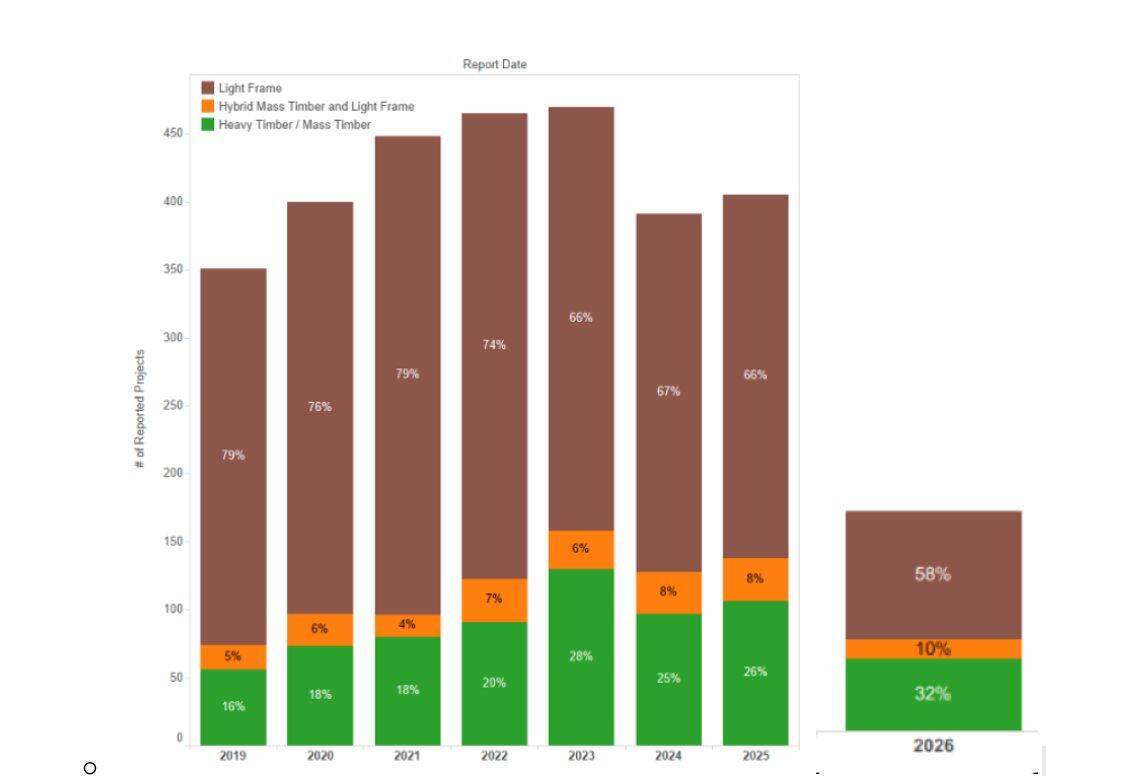
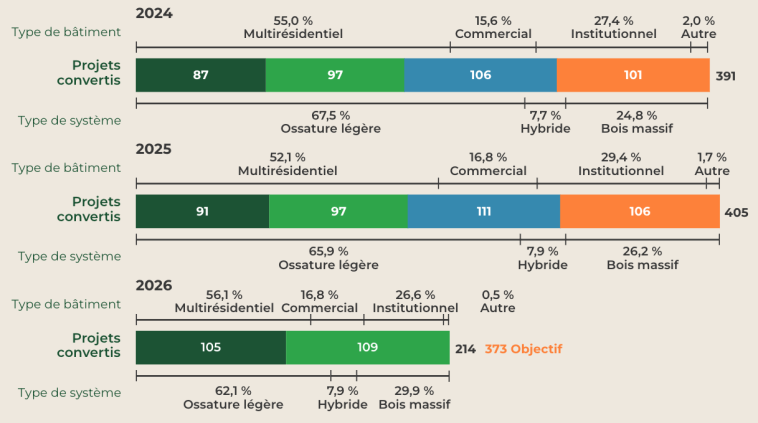
Quatre trimestres consécutifs avec plus de 100 projets convertis

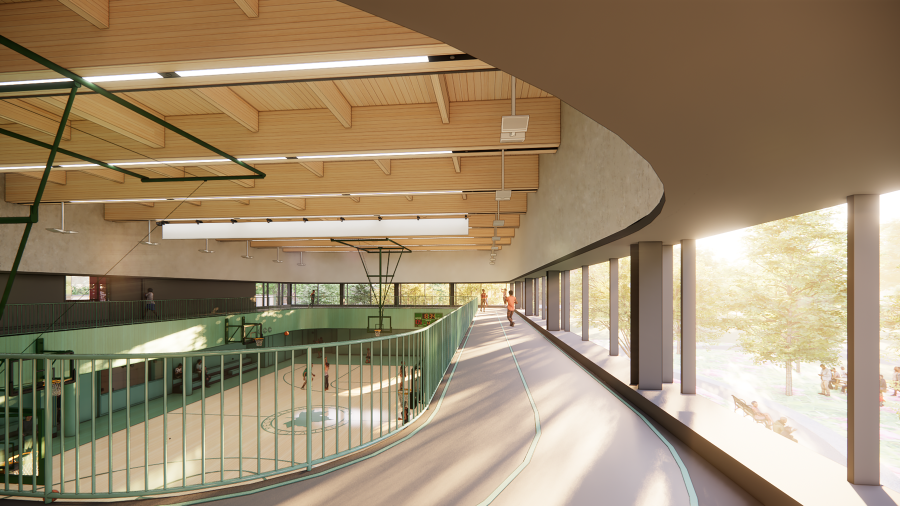
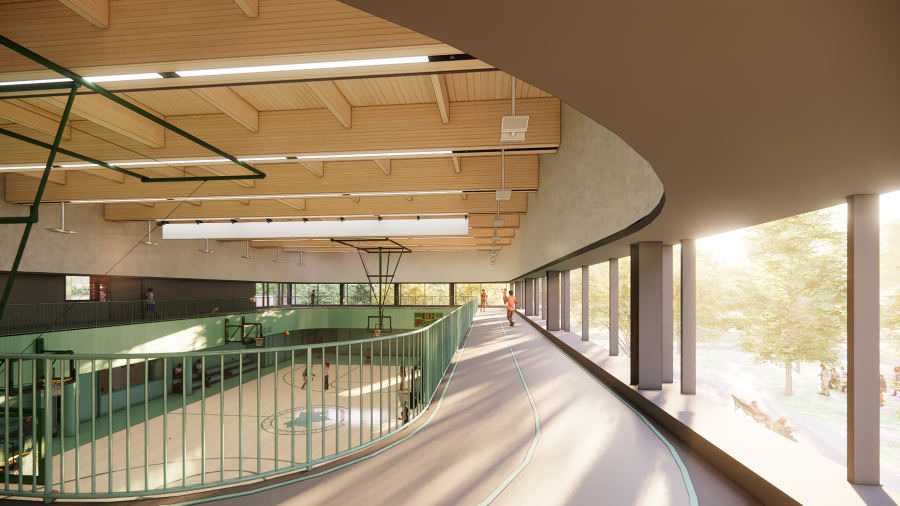
Le Soundview Recreation Center, dans le Bronx, a été retenu pour la deuxième cohorte du Mass Timber Studio de New York. Soundview Recreation Center | Rendu : Snøhetta
Reportage principal du SLB
Les matériaux concurrents suivent la stratégie de SLB

Améliorer l'efficacité et l'impact grâce à l'IA
Le bois d'œuvre gagne des parts de marché dans un contexte de ralentissement
Consultez ces articles.
Vous aimeriez lire d’autres reportages du SLB?
faire croître la demande en bois d’œuvre dans les zones urbaines
Un partenariat avec C40 Cities permet d’élargir la portée du programme en créant un réseau de futurs accélérateurs urbains. Cette collaboration a permis à C40 d’assembler une cohorte de 13 villes américaines, soit des membres de son réseau et d’autres villes ciblées conjointement avec le SLB, pour renforcer les connaissances et les capacités liées à la construction en bois d’œuvre, y compris la navigation des codes et de la sécurité incendie, les considérations relatives à la main-d’œuvre et les possibilités d’une chaîne d’approvisionnement régionale. L’une des deux visites prévues pour les professionnels de la ville est terminée et un atelier destiné aux délégués de la ville reste à venir. L’objectif est de trouver des candidats en mesure de constituer les prochains accélérateurs urbains du SLB, pour élargir la portée du programme bien au-delà de ce que permet le financement direct.
Le modèle des accélérateurs récemment publié fournit le cadre pour convertir cet intérêt en action. Plutôt que de répartir les ressources de façon uniforme dans divers marchés aux débouchés variables, le SLB privilégie les villes qui procurent des gains rapides et où la demande en bois d’œuvre à long terme est le plus susceptible d’augmenter.
Cette approche disciplinée garantit que les investissements du SLB sont dirigés vers les villes les plus à même de convertir des projets, d’influencer les marchés environnants et de générer une demande supplémentaire soutenue en bois d’œuvre.
Cinq facteurs régissent l’évaluation des villes candidates : le degré de préparation du secteur public, la capacité du secteur privé, la force du réseau d’intervenants, les conditions du marché et le respect des priorités du SLB et du USDA. Les marchés les plus robustes disposent d’un réseau de développement actif, de champions locaux dévoués, d’équipes de projets compétentes, de professionnels des codes et de la sécurité incendie ouverts, ainsi que d’occasions de faire la démonstration, à maintes reprises et à grande échelle, des systèmes à ossature de bois légère, hybrides et en bois massif.
La stratégie des accélérateurs urbains vise à transformer les possibilités de construction locale en demande mesurable et reproductible pour le bois d’œuvre. En collaborant directement avec les États, les villes et les municipalités, le programme s’allie aux projets durant la planification et la conception, en pleine sélection des matériaux structuraux, pour s’attaquer aux obstacles liés aux permis, aux codes, à la sécurité incendie et aux marchés, qui pourraient nuire à la réalisation des projets en bois.
Les résultats démontrent l’efficacité du modèle. Les projets initiaux de Boston, de New York et de la Géorgie ont permis de faire progresser des millions de pieds carrés de construction potentielle en bois. Qu’ils soient en cours ou nouveaux, les accélérateurs de Portland, en Orégon, de Santa Monica, en Californie et de New York se bâtissent d’autres portefeuilles de projets dans les secteurs de la construction multifamiliale, commerciale, publique et à usage mixte. En août dernier, l’Alabama Forestry Foundation a lancé l’accélérateur pour le bois massif d’Alabama afin de soutenir les projets en bois massif dans les segments industriel et des habitations multifamiliales abordables. En tout, le programme a cumulé 1,8 million de dollars en financement du USDA Forest Service, du U.S. Endowment for Forestry and Communities et des partenaires régionaux, dont 325 000 dollars provenant du SLB.


Le Wood Institute surpasse ses objectifs en matière d’engagement
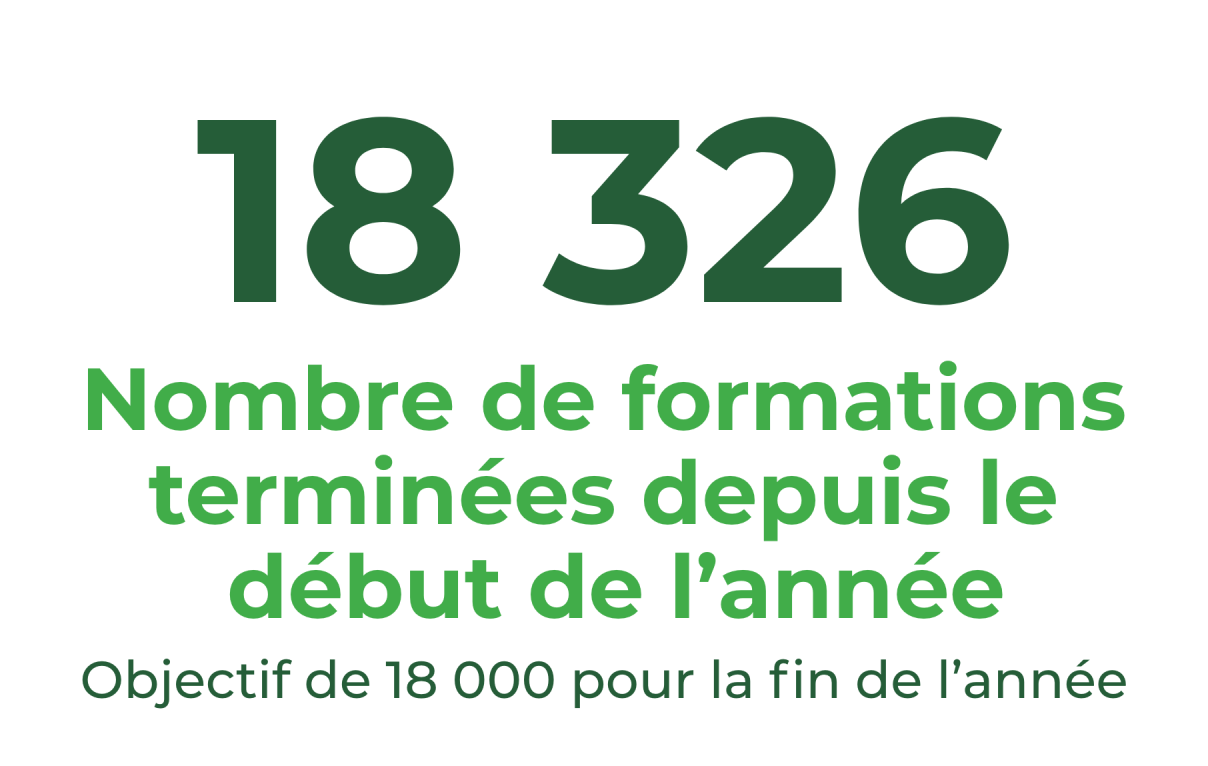
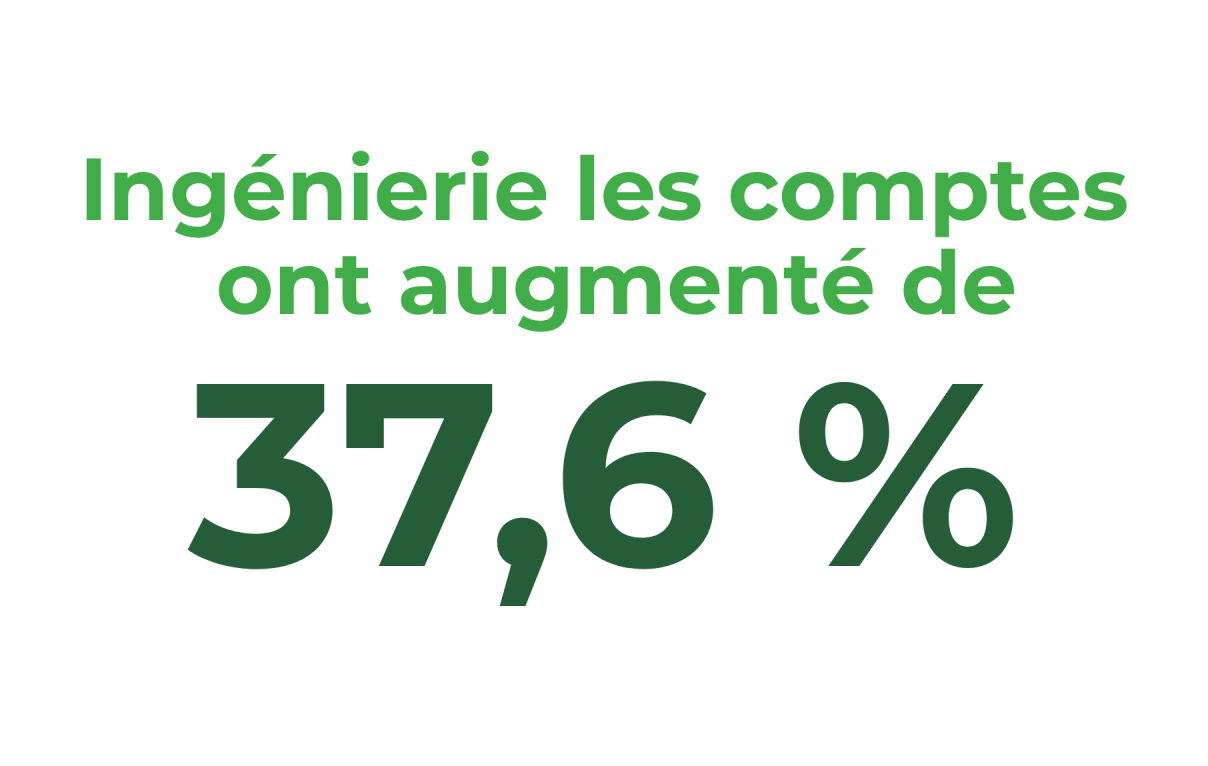
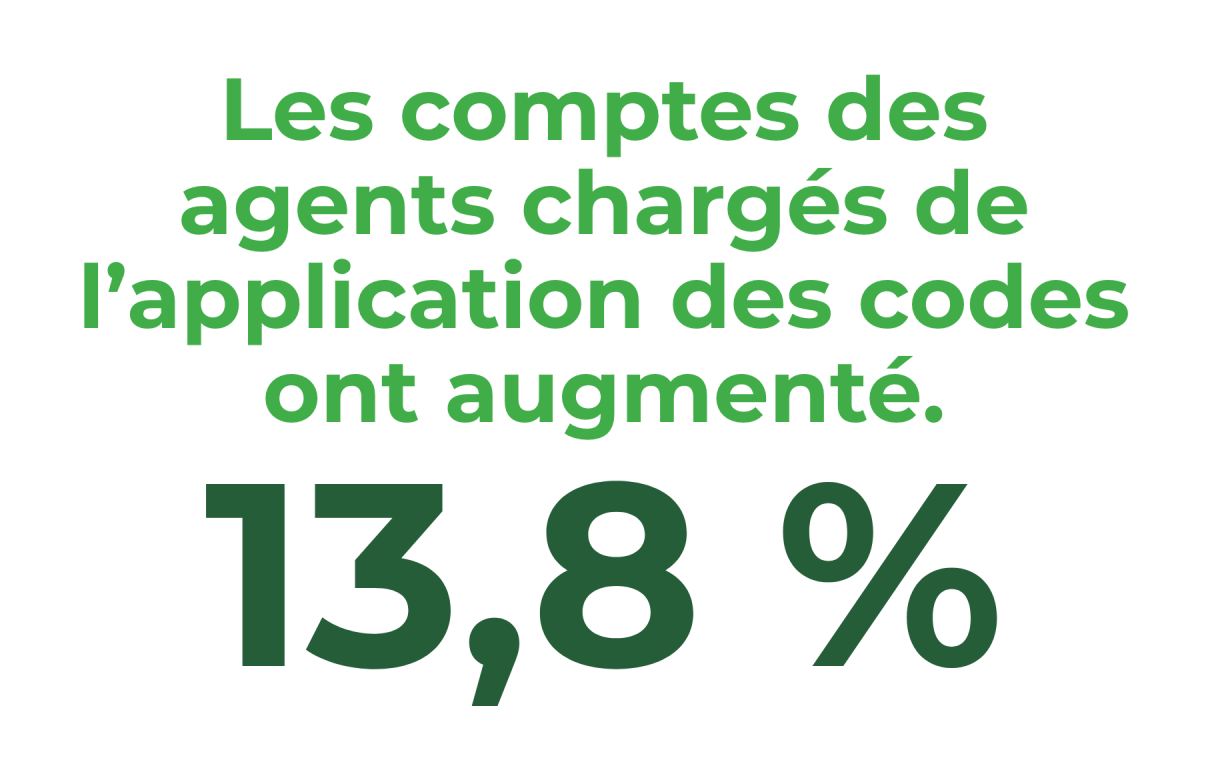
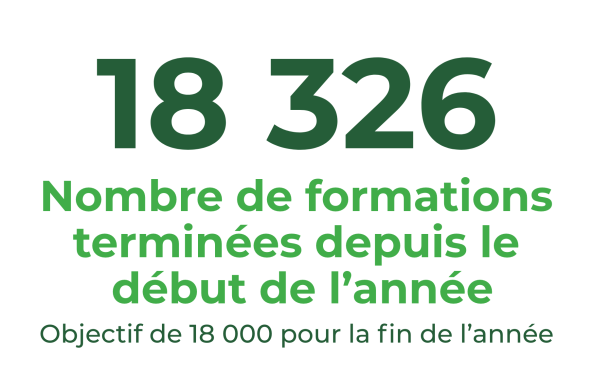
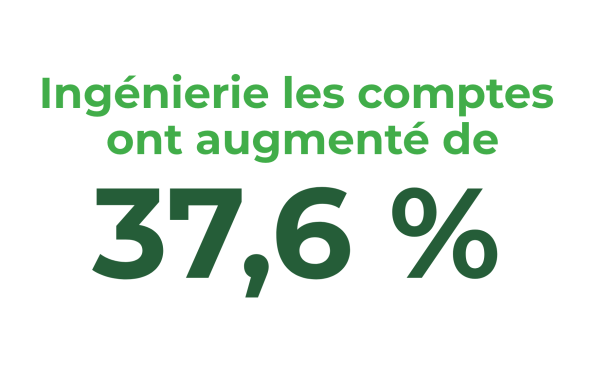
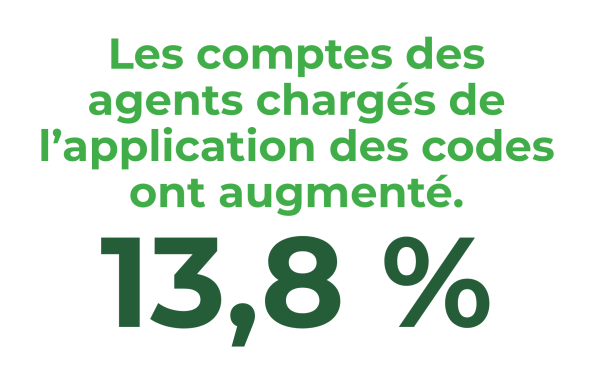
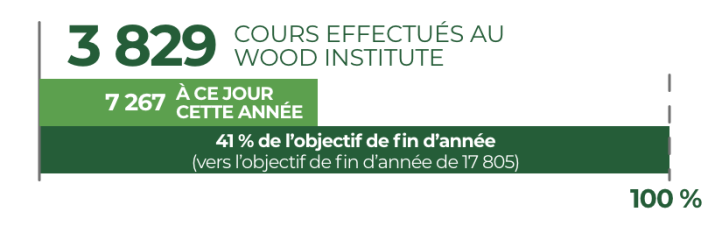
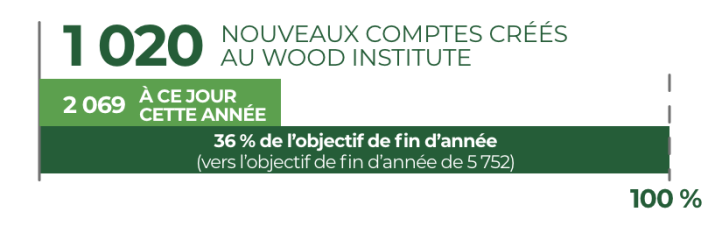
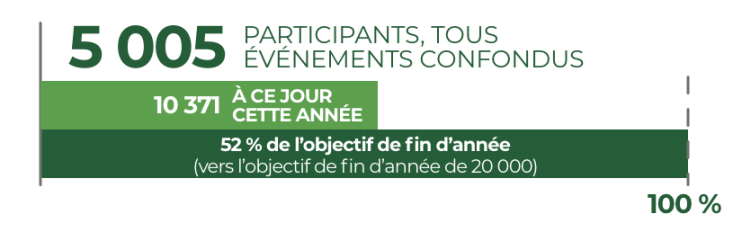
Le Wood Institute est en voie de dépasser son objectif annuel de nombre de cours terminés : 18 326 cours devraient être terminés par rapport à l’objectif de près de 18 000. Une baisse des dépenses liées aux publicités payées a permis de générer de la croissance, alors que les nouveaux comptes d’ingénieurs et de professionnels des codes ont augmenté respectivement de 37,6 pour cent et de 13,8 pour cent, soit une hausse de l’engagement chez les décideurs clés qui permettent l’utilisation accrue du bois.

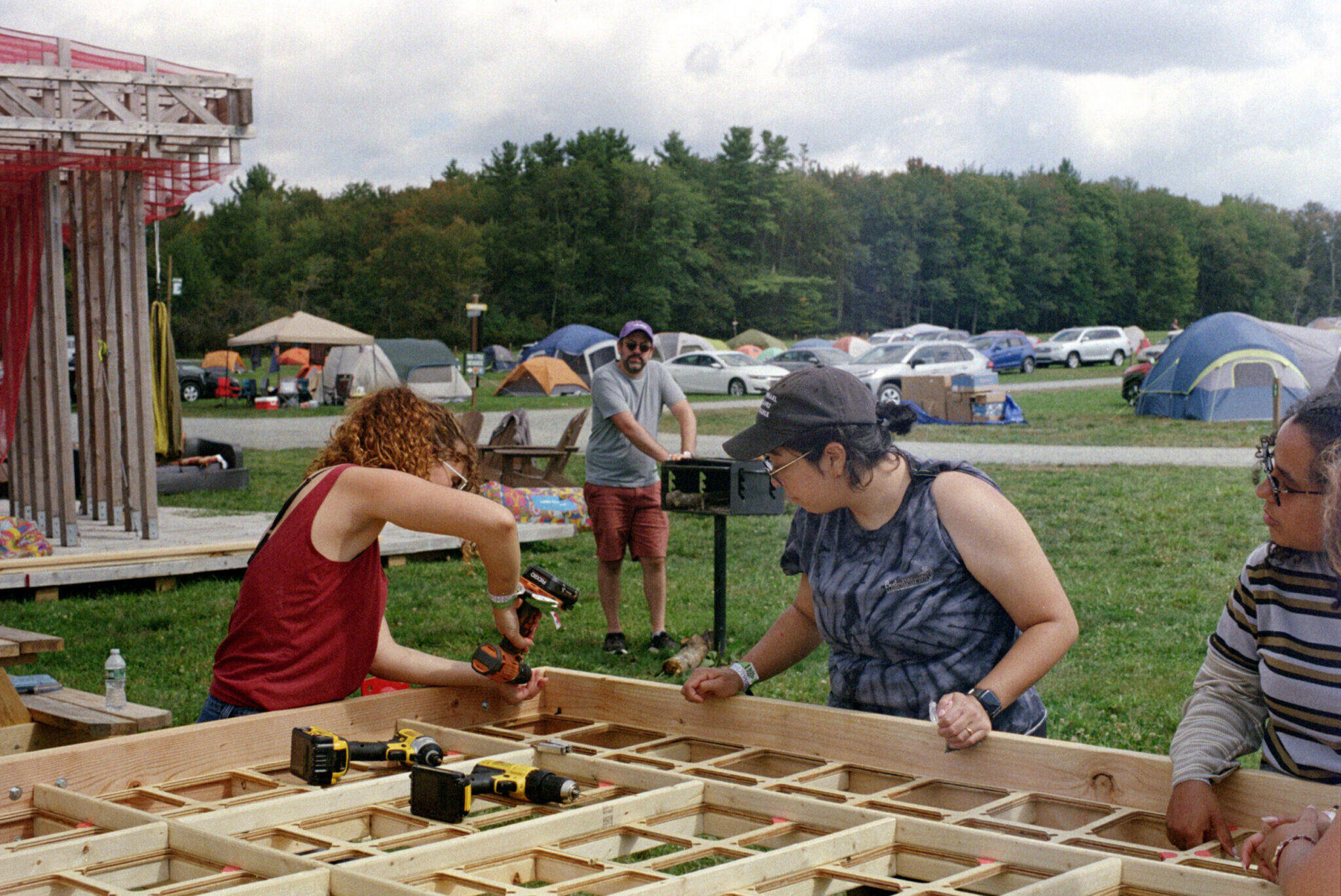
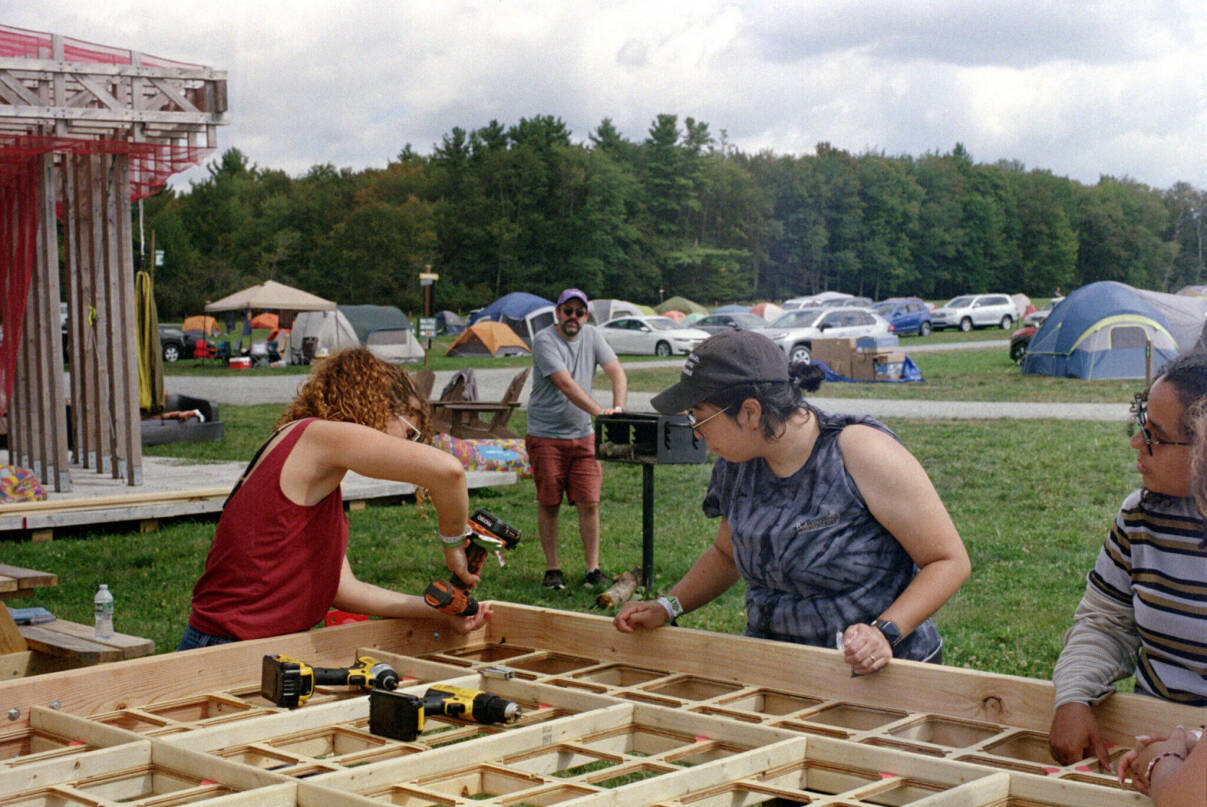
BuildFest | Photo : Fabio Castellanos
Le BuildFest mobilise les grandes écoles d’architecture des États-Unis
Le BuildFest, un programme national pour les étudiants en conception-construction axé sur la construction en bois à échelle réelle, a attiré 33 candidatures d’équipes des grandes écoles d’architecture, dont Harvard GSD, Cornell et UCLA. Dix équipes ont été choisies pour ériger des installations en septembre à Bethel Woods, alors que 150 participants bénéficieront d’une expérience en conception, en fabrication, et en construction en bois.
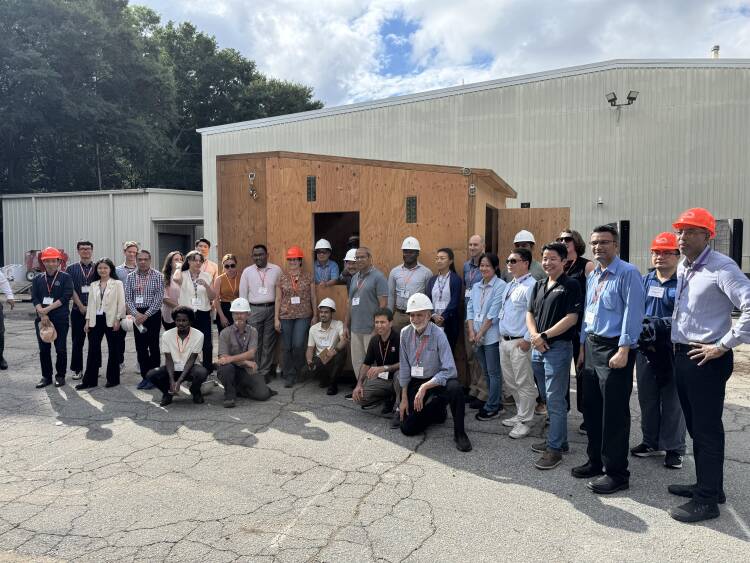
L’atelier de Clemson comprenait des visites dans la forêt expérimentale et des bâtiments en bois massif de Clemson, ainsi que des installations de fabrication de Timberlab à Greenville, en Caroline du Sud.



Lors de l’Administrators Conference de 2026 de l’ACSA, le SLB invitera les administrateurs à faire progresser la formation sur le bois et le bois massif dans les programmes d’études universitaires.
de force pour la demande future en bois
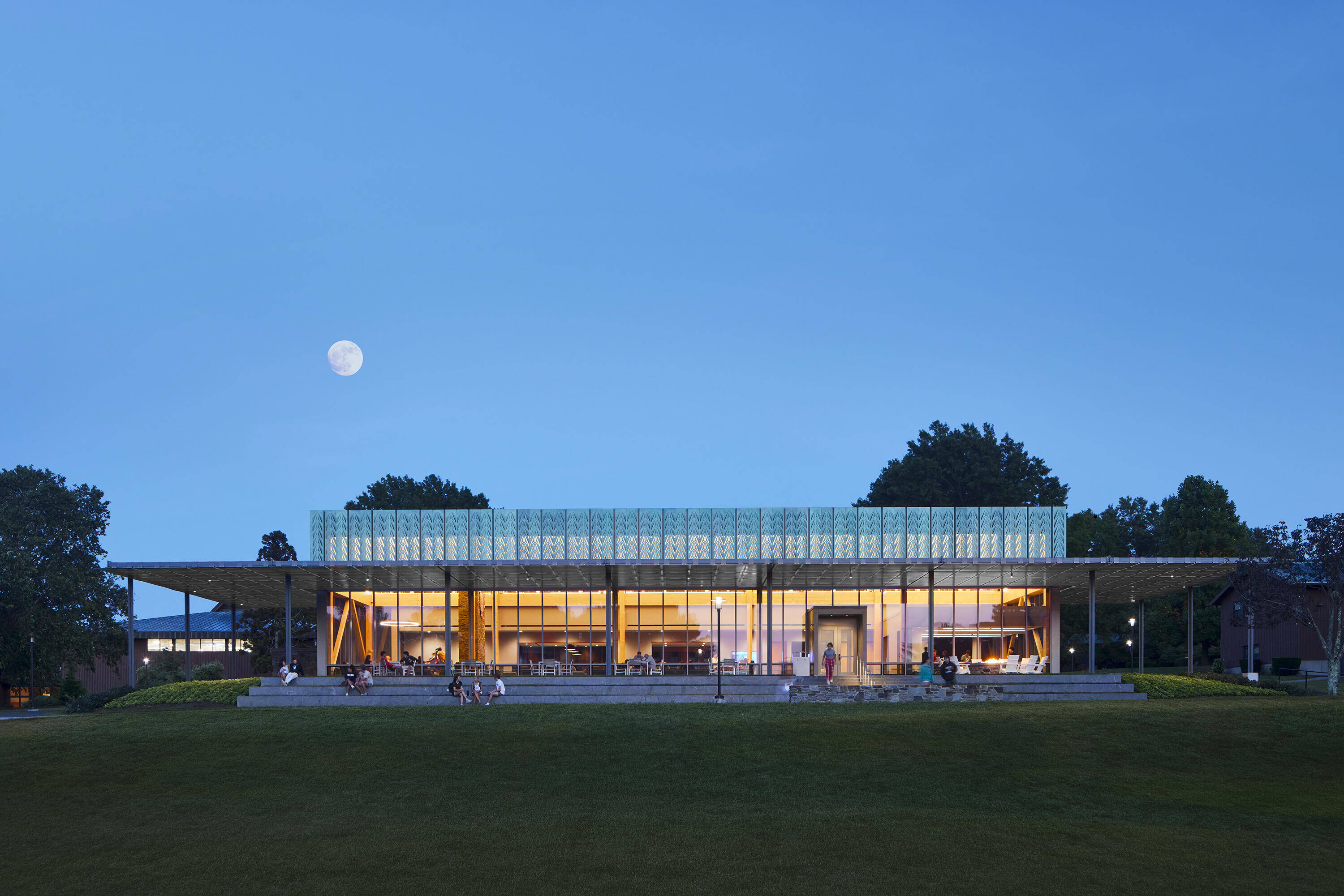
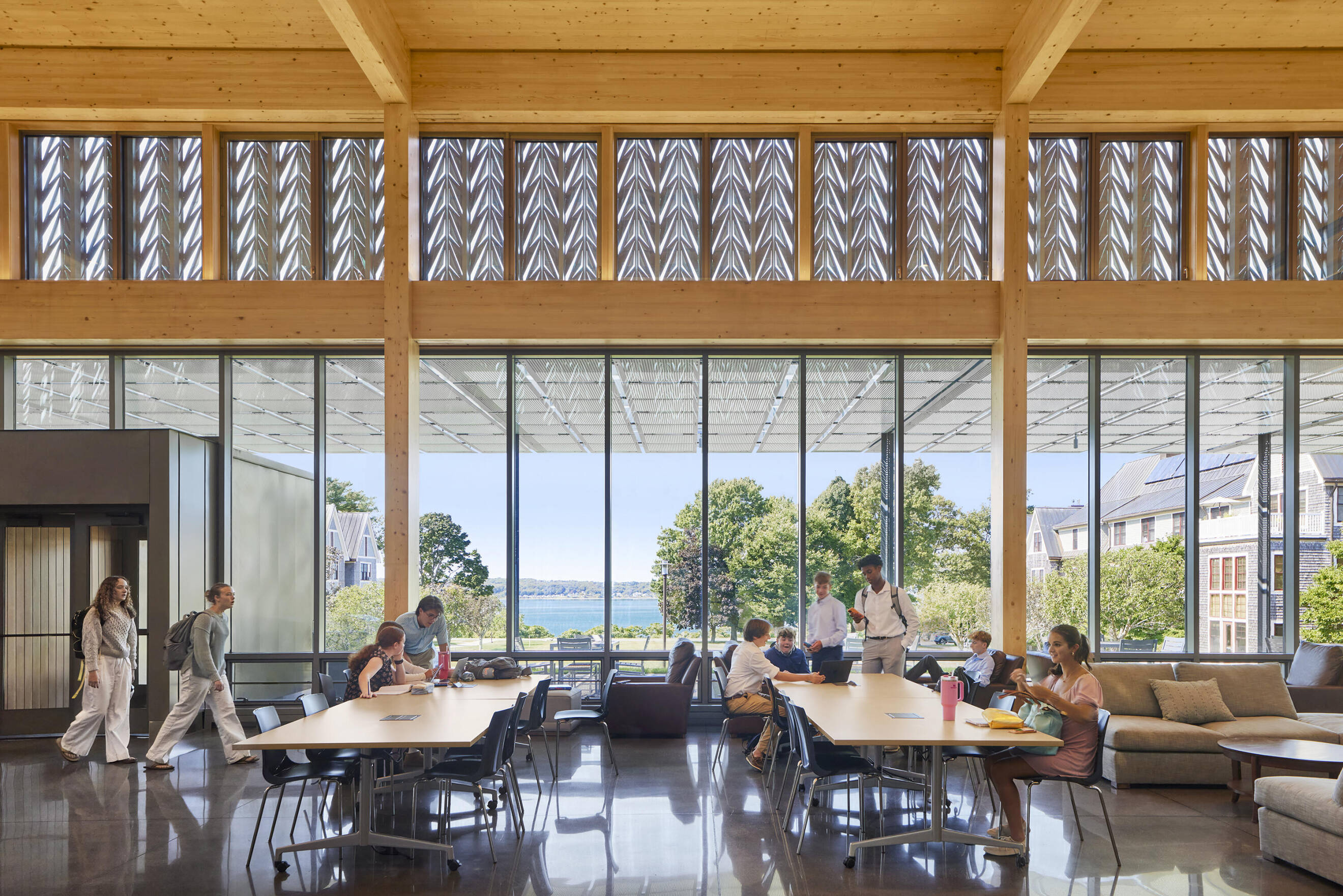
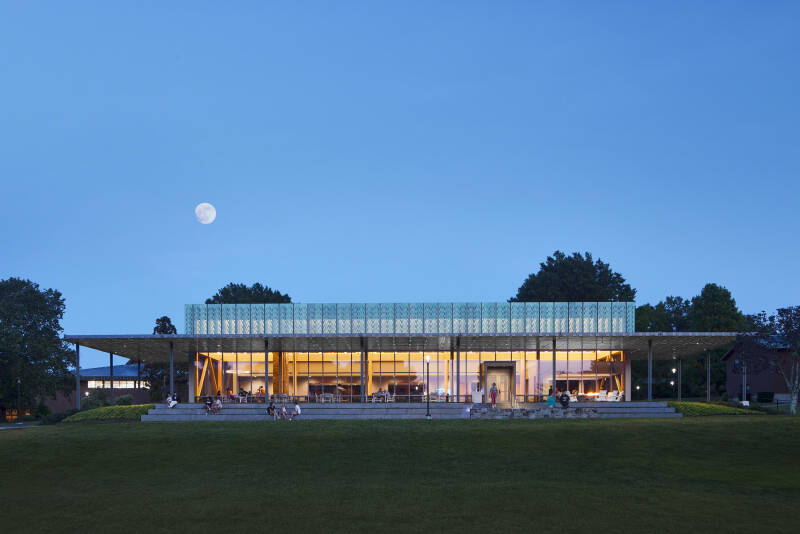
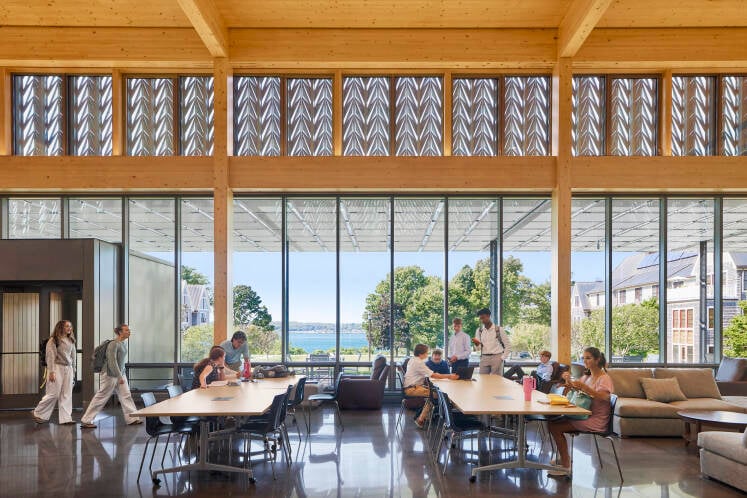
Centre étudiant de la Portsmouth Abbey School | Photo : Brad Feinknop
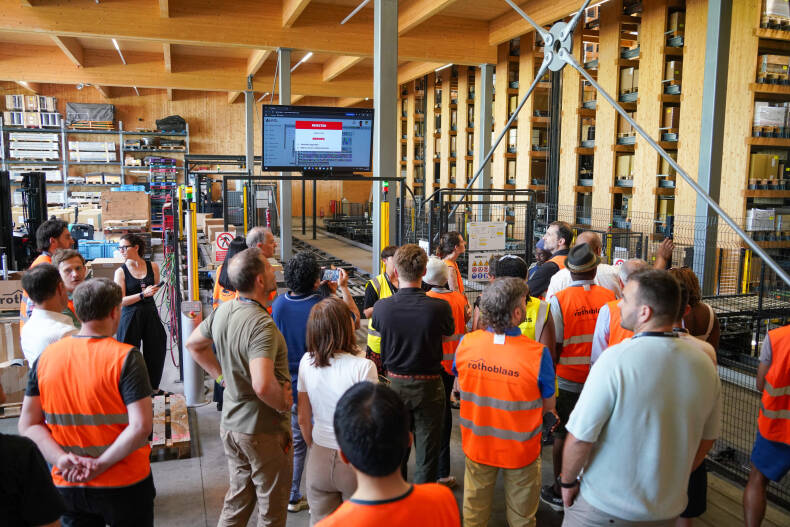
À la Clemson University, 30 professeurs d’ingénierie ont bénéficié d’enseignement technique, de ressources pédagogiques, d’activités pratiques et d’une exposition directe à la fabrication en bois, alors qu’une proportion similaire de répondants prévoient d’élargir leur contenu scolaire lié au bois. Un troisième atelier, présenté conjointement par Rothoblaas, a permis d’atteindre 35 participants à un coût individuel réduit de 27 pour cent par rapport à la moyenne des cinq ateliers prévus en 2026. Deux ateliers à venir devraient attirer 65 autres professeurs.
La forte demande pour ces ateliers démontre qu’il est possible d’investir davantage pour approfondir encore plus notre influence. L’atelier de Rothoblaas a d’ailleurs été élargi après avoir reçu 84 demandes de participation, tout comme celui prévu à la University of Washington, qui a reçu 81 demandes pour 30 places. Même si le nombre limité de places permet aux présentateurs de porter une attention accrue aux participants, la forte demande témoigne de l’intérêt des établissements postsecondaires à élargir le programme d’études sur la conception en bois et de la pertinence des ressources que la division de l’éducation du SLB propose aux publics les plus importants.
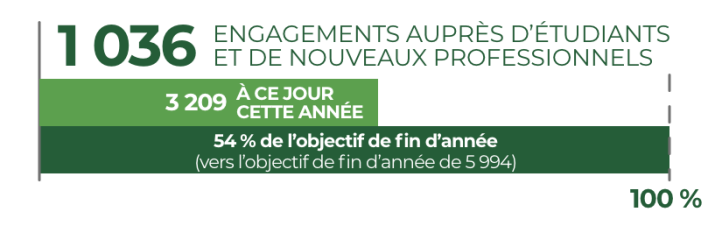
Les efforts d’intervention et de formation continue de la division de l’éducation du SLB auprès des étudiants et des professeurs continuent d’augmenter fortement cette année. De plus en plus de professionnels actuels et futurs sont équipés pour envisager les systèmes de construction en bois plus tôt dans le processus de conception et de construction.
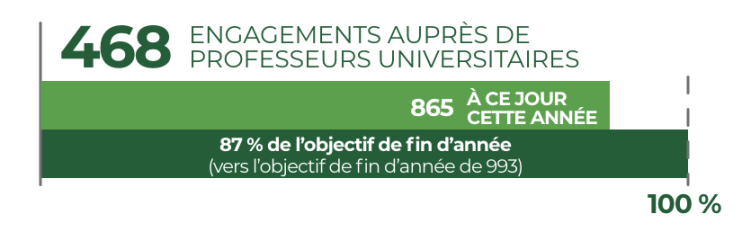
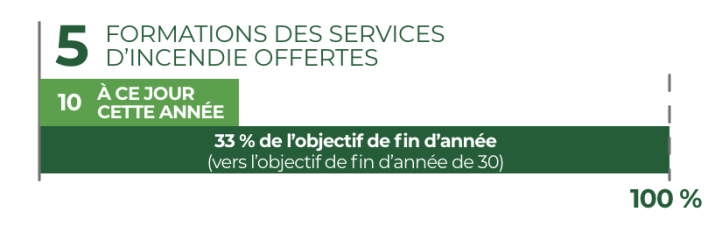
En fait, le perfectionnement des professeurs est un facteur déterminant de cette croissance. À ce jour, cette année, 95 professeurs ont participé à trois ateliers, ce qui dépasse déjà les 75 participants pour l’ensemble de 2025, alors qu’un total de 160 est prévu d’ici la fin de l’année. Les participants représentent 72 programmes d’architecture, d’ingénierie et de construction de partout aux États-Unis. Chaque professeur formé peut intégrer sa nouvelle expertise sur la conception en bois dans plusieurs cours et la transmettre à différentes cohortes d’étudiants, et ainsi, multiplier le rendement à long terme des investissements de la division de l’éducation du SLB.
Lors d’un atelier à la Auburn University, 30 professeurs d’architecture de 28 établissements ont étudié la chaîne de valeur du bois, de la foresterie durable et de la production de bois d’œuvre à la fabrication de CLT et à la construction de bâtiments en bois massif. Tous les répondants au sondage ont indiqué une hausse de leurs connaissances et de leur confiance, alors que 83 pour cent d’entre eux prévoient d’élargir leur contenu lié au bois pendant la prochaine année scolaire. Les changements apportés aux programmes d’études devraient exposer plus de 1 000 étudiants supplémentaires par année au bois massif.


(vers l’objectif de fin d’année de 993)
cette année
Wood Institute
(vers l’objectif de fin d’année de 17 805)
cette année
au Wood Institute
cette année
(vers l’objectif de fin d’année de 5 752)
(vers l’objectif de fin d’année de 5 994)
cette année
Reportage principal

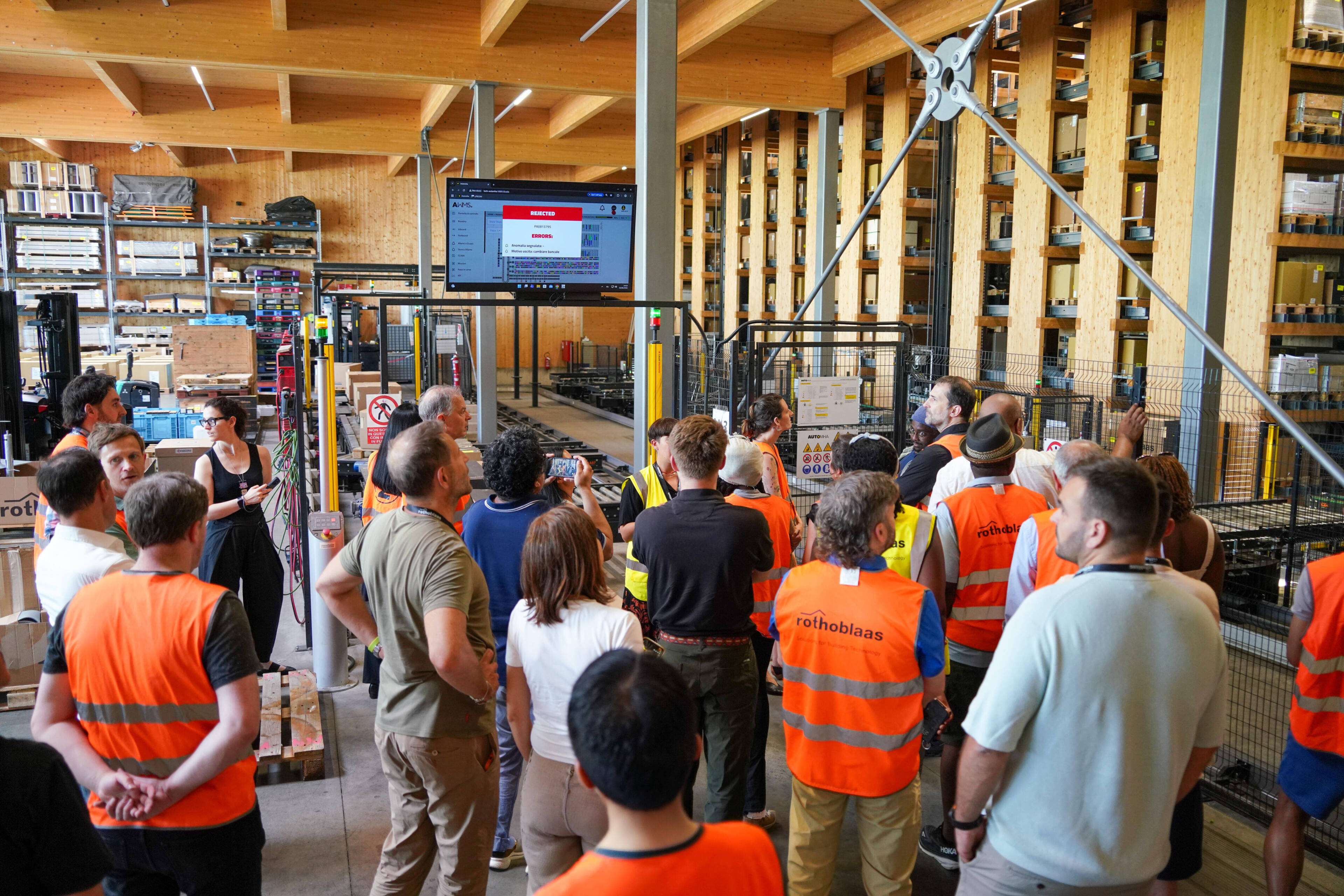
WoodWorks met à l’essai des agents qui repèrent les projets potentiels et dressent des profils pour le WoodWorks Innovation Network, ce qui permet de réduire la saisie manuelle de données tout en améliorant l’uniformité.
La division de l’éducation du SLB s’est servie de l’IA pour étudier les 77 programmes de gestion de la construction accrédités par l’ACCE et compiler de l’information qui permettra d’orienter les futurs investissements dans la formation et la main-d’œuvre.
À l’AWC, 21 outils de travail enregistrés assistés par l’IA ont permis d’économiser environ 184 heures de travail, ce qui correspond à plus de 15 500 dollars. Ces outils permettent notamment de convertir une calculatrice scientifique complexe, d’accélérer la recherche de codes et d’extraire des données de dix déclarations environnementales de produits en vue d’une analyse de stockage du carbone.
Ensemble, ces efforts démontrent qu’une adoption responsable de l’IA permet de réduire les coûts indirects, d’améliorer les connaissances et de tirer davantage de chaque dollar investi par l’industrie.
L’intelligence artificielle génère des retombées mesurables pour le SLB et ses programmes financés. Les nouveaux outils entraînent une réduction des coûts et des heures de travail répétitif, en plus de transformer des données complexes en renseignements rapides et exploitables, ce qui permet de consacrer davantage de ressources à l’objectif central de l’industrie : accroître la demande en bois d’œuvre.
Le SLB utilise désormais des outils intégrant l’IA pour produire ses rapports du tableau de bord et du RCI annuel. Ce changement devrait réduire le risque d’erreur humaine et engendrer des économies d’environ 120 000 dollars par année; cet argent sera redirigé vers des initiatives de développement de marchés. Le SLB a aussi transformé l’aperçu du marché de la construction en 2026 de FEA en technologie d’application générale personnalisée, ce qui facilite l’accès des programmes financés et des partenaires du SLB aux données sous-jacentes des marchés ainsi que leur mise en application.
Think Wood a lancé la version bêta d’un agent d’IA qui transpose les données de campagnes dans une interface conversationnelle; le temps requis pour répondre aux nombreuses questions sur le rendement se compte désormais en secondes plutôt qu’en heures. À mesure que l’outil se développe, il devrait pouvoir repérer les tendances, renforcer la planification des indicateurs de rendement clés et aider à orienter les ressources de campagnes vers les activités les plus rentables.
du bois d’œuvre dans les I-Codes de 2027
Ces résultats sont importants parce que les modèles de codes établissent les avenues juridiques que les États et les autorités locales empruntent pour faire approuver des systèmes de construction. Le fait de préserver un vocabulaire favorable permet de protéger les marchés existants du bois d’œuvre, tandis que les nouvelles dispositions simplifient l’utilisation en toute confiance du bois par les concepteurs, les ingénieurs et les professionnels des codes.
L’AWC s’efforce également de maintenir les références à ses principales normes de conception dans les codes de 2027. Les Special Design Provisions for Wind and Seismic (SDPWS) de 2027 font l’objet d’un examen public, alors qu’une mise à jour d’études sismiques vient renforcer la position de la construction à ossature de bois dans les zones à risque sismique élevé.
Ensemble, ces réussites permettent de protéger les produits et les systèmes de construction en bois d’œuvre de restrictions inutiles, de reconnaître de nouvelles applications et de fournir des bases encore plus solides aux codes devant la demande future en bois d’œuvre.
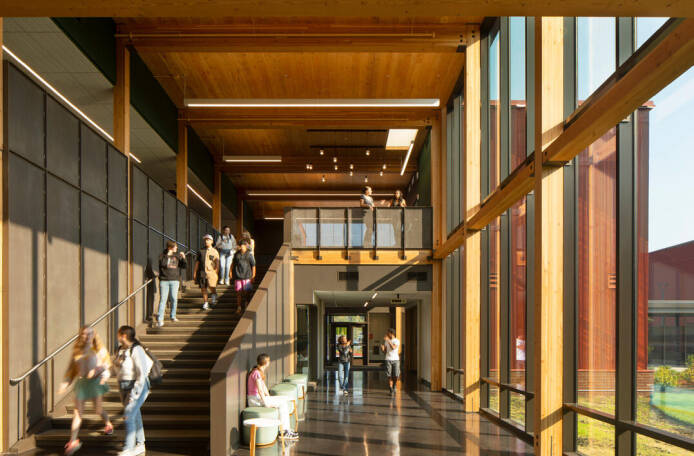
Centre étudiant de Portsmouth Abbey School | Photo : Brad Feinknopf
Le cycle des I-Codes de 2027 s’est terminé par la préservation de tous les aspects favorables au bois soulevés par l’AWC lors des audiences précédentes, protégeant ainsi la place du matériau dans la construction tout en conservant les nouvelles possibilités d’une utilisation généralisée aux États-Unis.
Parmi ses résultats les plus importants, l’AWC a permis de défaire une proposition de l’industrie du béton qui visait à réduire la quantité de bois exposé permise au plafond des bâtiments de type IV-B. Elle a aussi bloqué d’autres propositions, dont des changements susceptibles de compliquer l’adoption des codes ou de limiter le choix de matériaux pour les catégories de construction décrites dans les codes sur les milieux périurbains. Puisque le vote consensuel gouvernemental est clos, ces propositions sont rayées de l’ordre du jour des codes de 2027, en attente d’une confirmation de routine par le conseil d’administration de l’International Code Council.
En parallèle, plusieurs modifications soutenues par l’AWC en faveur d’une utilisation accrue du bois ont été approuvées. Les codes de 2027 reconnaîtront la norme Fire Design Specification de l’AWC comme une option pour calculer les dimensions acceptables des éléments en bois massif, présenteront de nouvelles dispositions liées au bois récupéré et une mise à jour des tableaux de portée des linteaux et des chevrons en bois d’œuvre, en plus de renforcer la reconnaissance des ossatures de plancher en bois et de la construction à plateforme de bois.
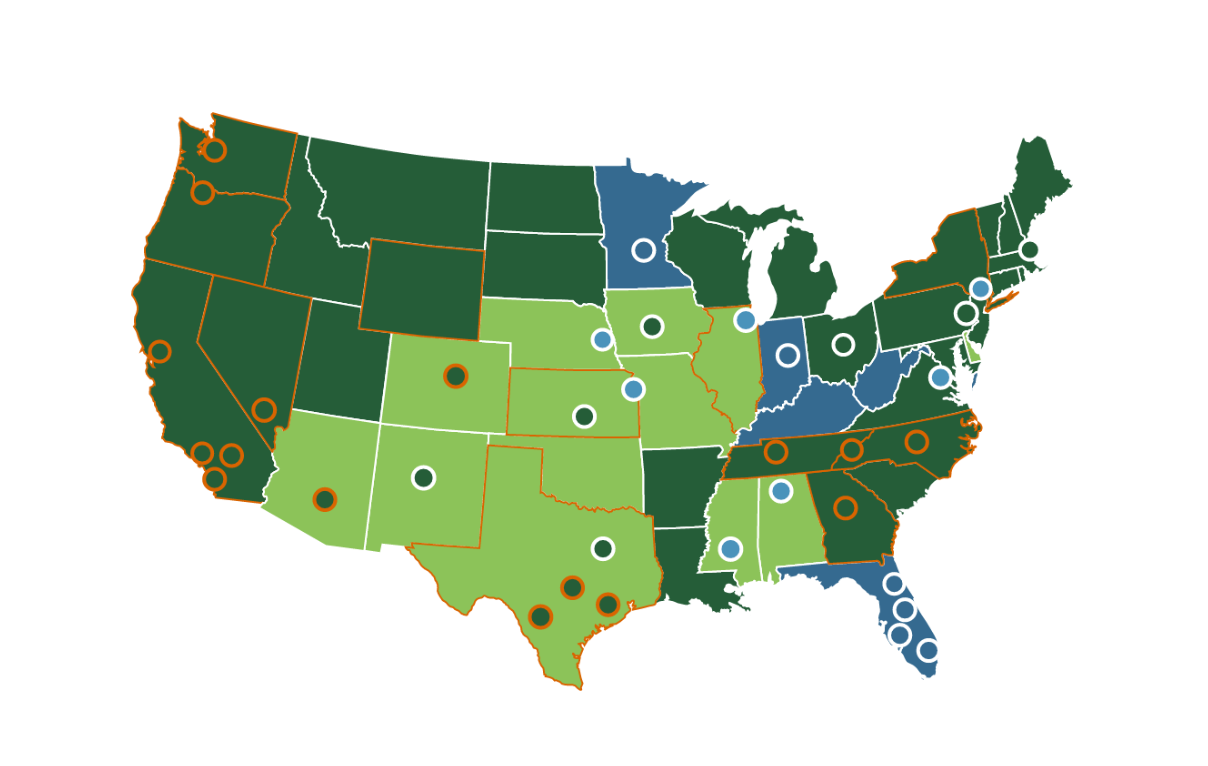
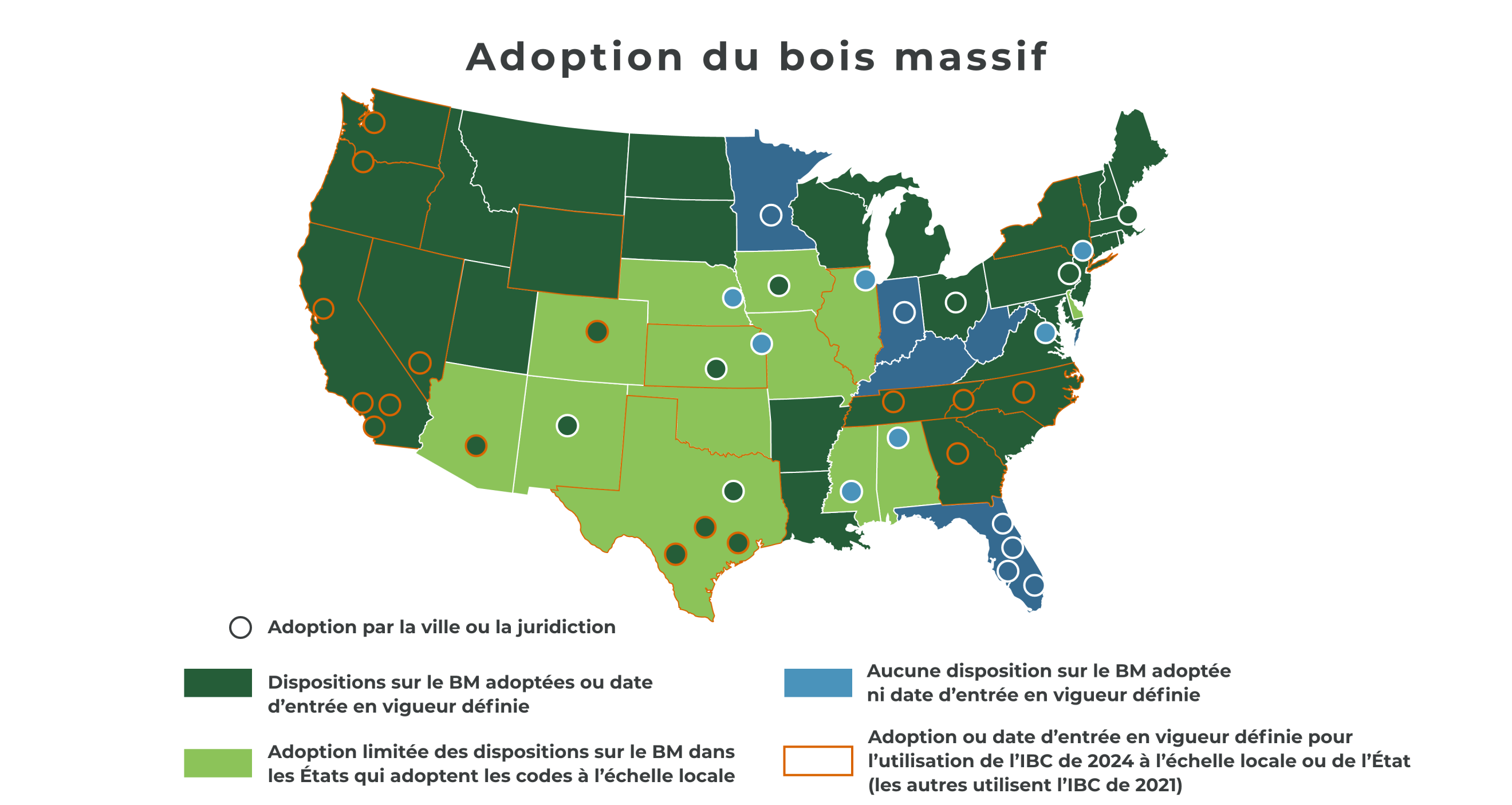
De plus en plus d’États adoptent le
code sur le bois massif
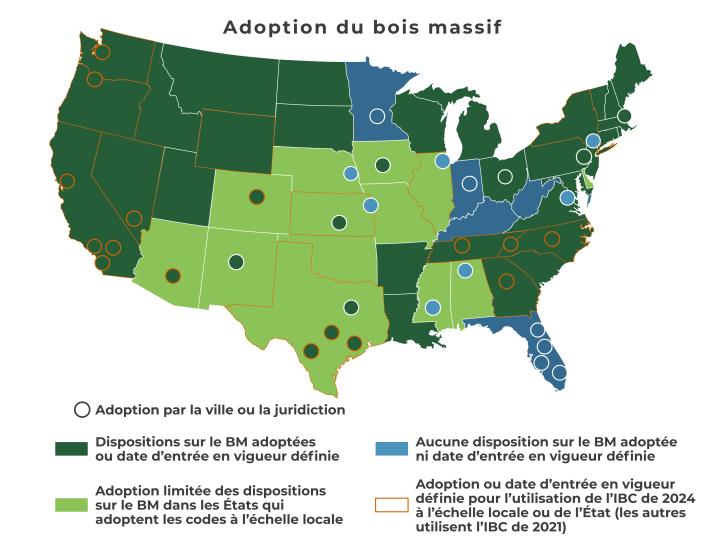
L’adoption des dispositions relatives au bois massif de l’IBC de 2024 par l’Oklahoma porte le compte à 31 États, en plus des instances locales de 14 autres États. La Géorgie a renforcé l’accès au marché en intégrant ses dispositions en vigueur au corps de son code, ce qui ajoute à leur durabilité et favorise une progression continue vers l’adoption du code à l’échelle nationale.
Des données sismiques consolident la place
du bois dans les codes
La mise à jour des données sur la performance sismique des murs de cisaillement à ossature de bois de l’AWC a été intégrée aux dispositions du NEHRP, en plus d’influencer l’élaboration de la norme ASCE 7-28. En démontrant que les systèmes en bois peuvent atteindre les plus grands objectifs de performance, ces travaux permettent d’éviter que les futures exigences liées aux charges sismiques limitent l’utilisation du bois et de protéger l’accès aux marchés propices aux tremblements de terre.
L’AWC s’appuiera sur l’avis des membres et du conseil d’administration pour établir l’ordre de priorité des initiatives relatives au domaine technique, aux codes, aux normes et à la réglementation les plus susceptibles de protéger et d’élargir les marchés du bois d’œuvre. Faites part de vos commentaires et priorités à l’AWC.

Rothoblass Workshop
cette année
(vers l’objectif de fin d’année de 20 000)
cette année
(vers l’objectif de fin d’année de 30)
organisés
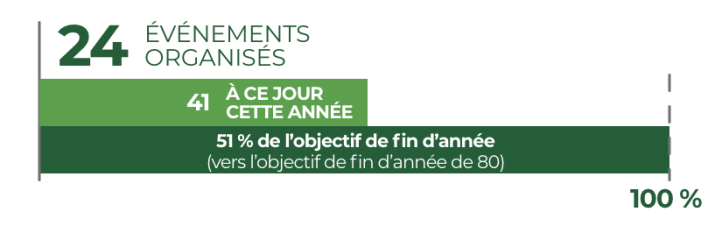
(vers l’objectif de fin d’année de 80)
cette année
communication consignées
(vers l’objectif de fin d’année de 40 000)
cette année
Reportage principal
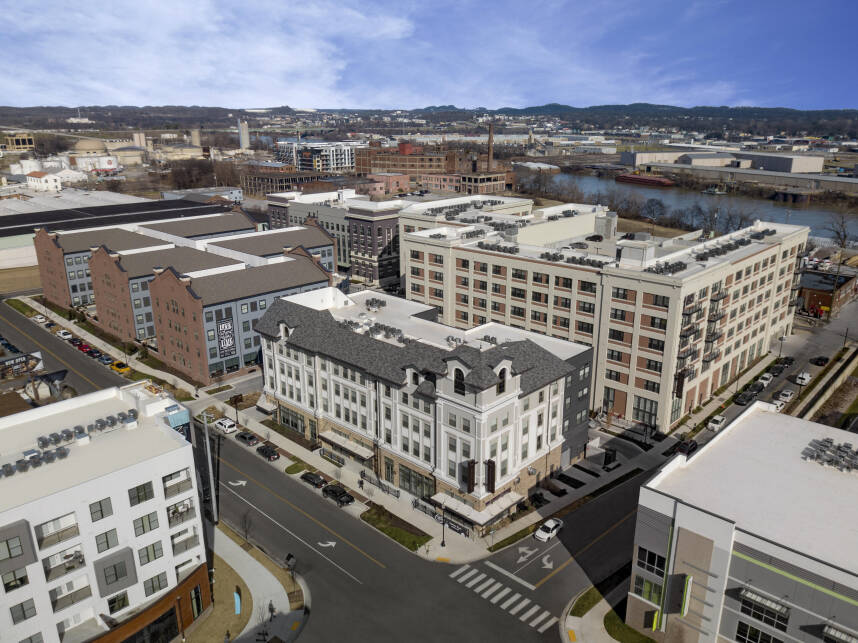
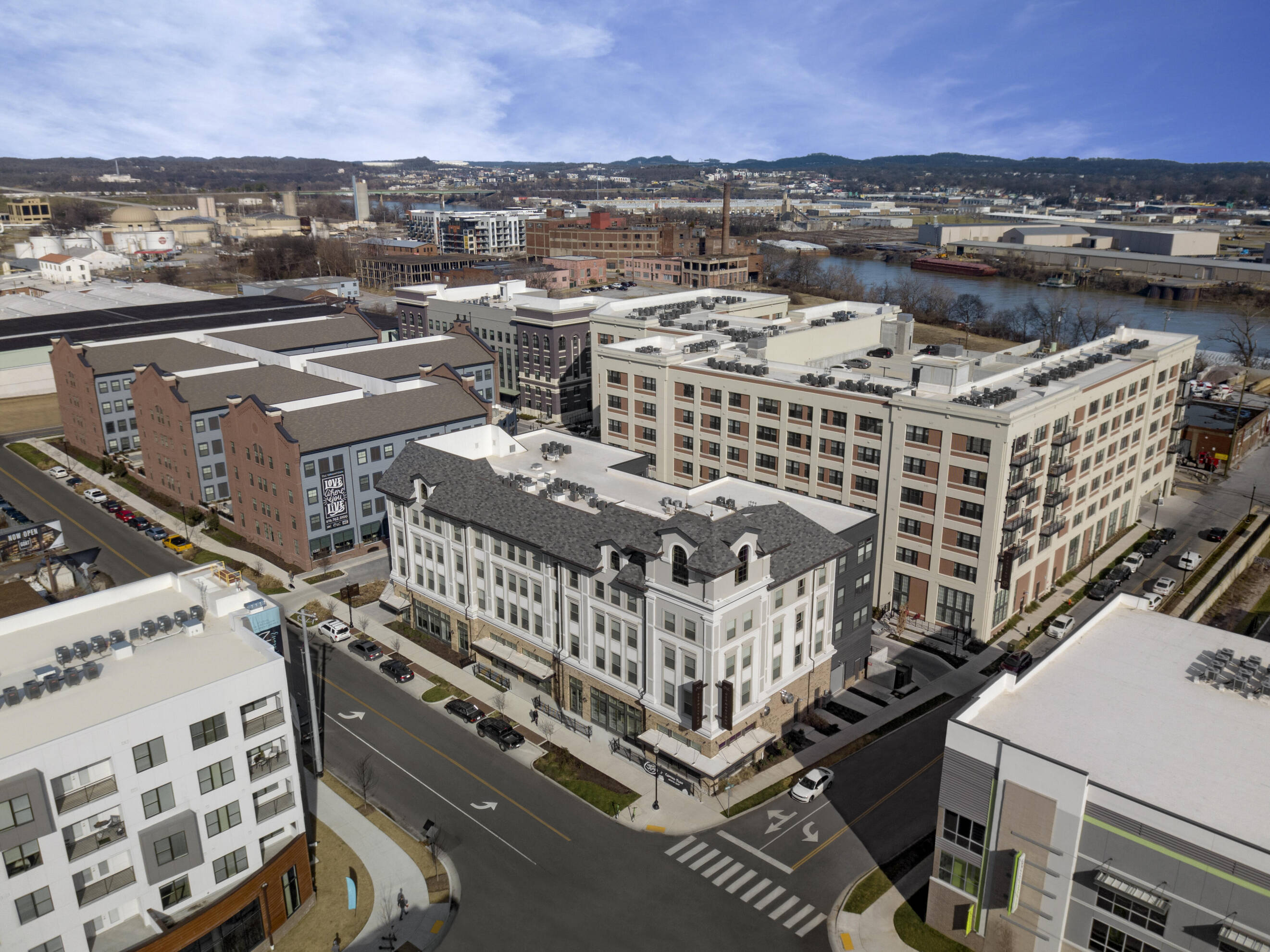
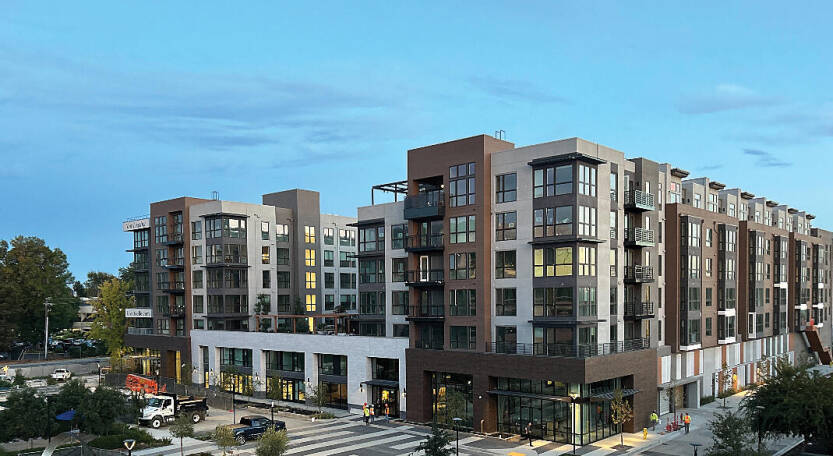
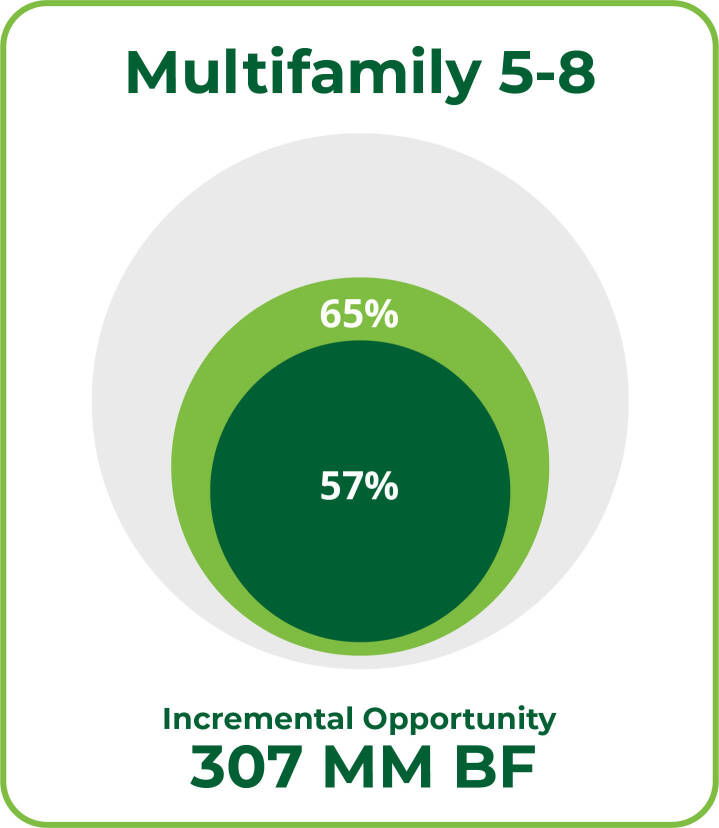
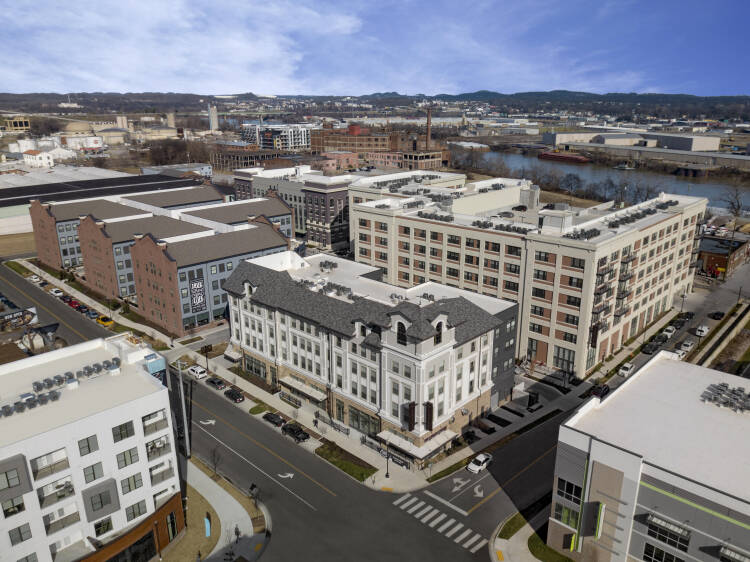
Les projets d’habitation multifamiliale de 5 à 8 étages, comme ceux de LC Germantown, représentent un volume supplémentaire annuel potentiel de 307 millions de pieds-planche d’ici 2035. | Photo : Nick McGinn
d’un marché fléchissant
Les débouchés les plus immédiats résident dans les habitations multifamiliales. Les pressions liées à l’abordabilité continuent d’alimenter la demande dans le secteur locatif, tandis que la construction de moyenne hauteur a rebondi en 2025. D’après l’AIA, les mises en chantier d’habitations multifamiliales ont augmenté de 15 pour cent en 2026 (après une hausse de 17 pour cent en 2025). La 21st Century ROAD to Housing Act, qui a acquis le statut de loi en juillet, pourrait aussi contribuer à éliminer des obstacles aux nouvelles constructions. Le bois occupe déjà une place solide dans le segment des habitations multifamiliales, y compris une part de 63 pour cent dans les bâtiments de cinq à huit étages, où les systèmes à ossature de bois légère, hybrides et en bois massif sont tous compétitifs.
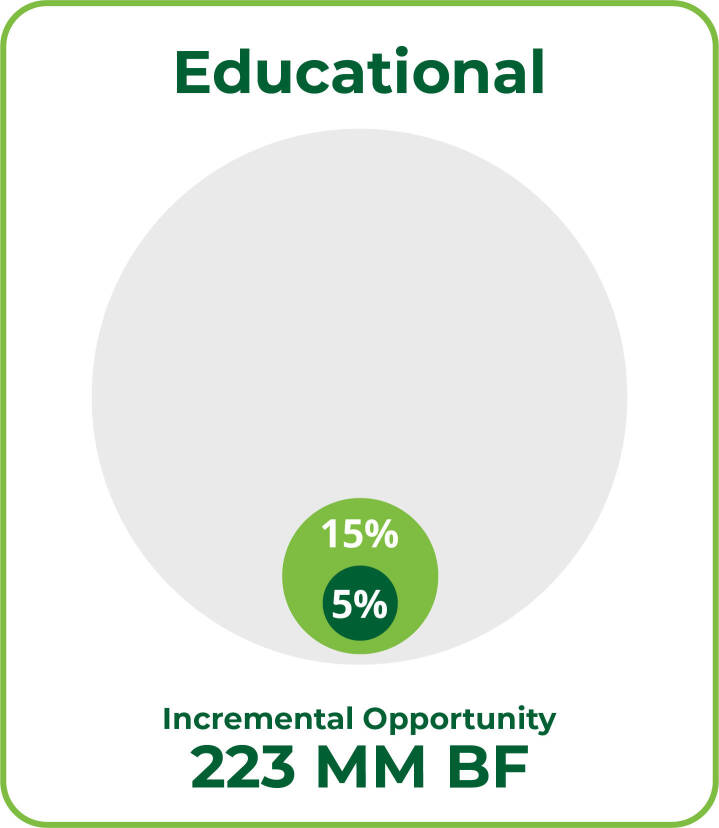
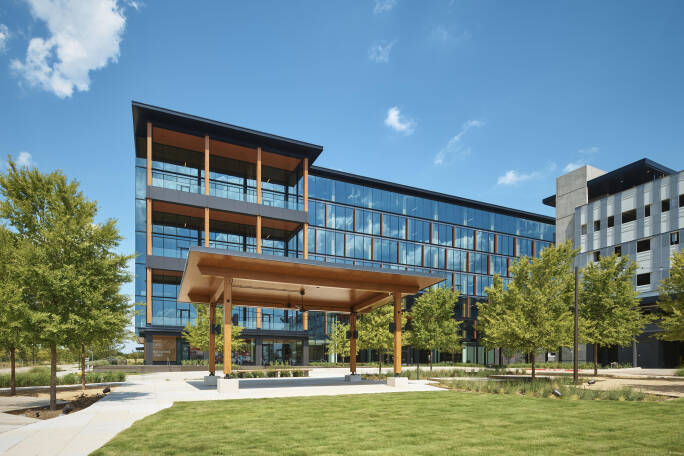
Quant à la demande en bois d’œuvre, la tendance cruciale n’est pas seulement le volume de construction, mais les secteurs où le bois gagne du terrain. Le SLB inclura la part de marché dans les principaux indicateurs de rendement clés à partir de 2027, afin dès lors d’évaluer le marché et l’activité en temps réel. Le SLB privilégie les villes offrant la plus grande possibilité de croissance, consolider les avantages liés au coût et à la rapidité, faire progresser les systèmes hybrides à même de rivaliser directement avec l’acier et le béton, Les investissements du SLB et de ses programmes financés contribuent à la croissance de la demande en bois d’œuvre dans les segments des bâtiments commerciaux, des établissements d’enseignement, des habitations multifamiliales de moyenne hauteur, des bureaux et des projets résidentiels de grande hauteur, qui comptent parmi les plus grandes possibilités de conversion de futurs bâtiments en volume supplémentaire de bois d’œuvre résineux.
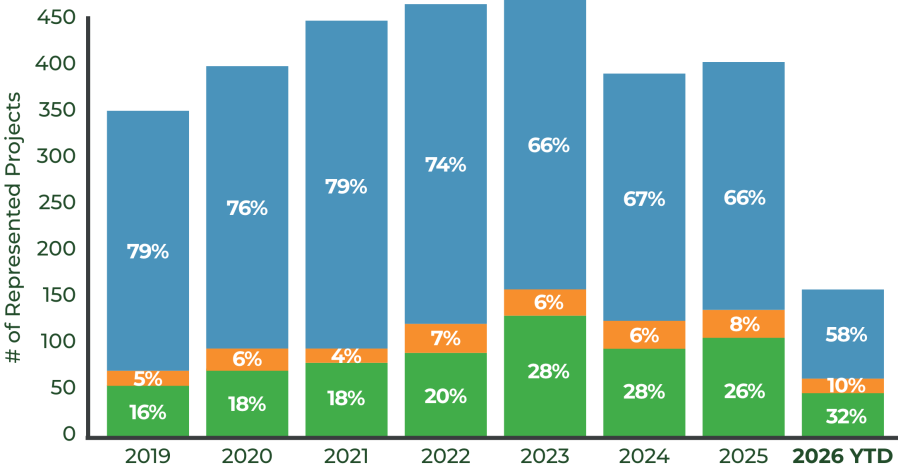
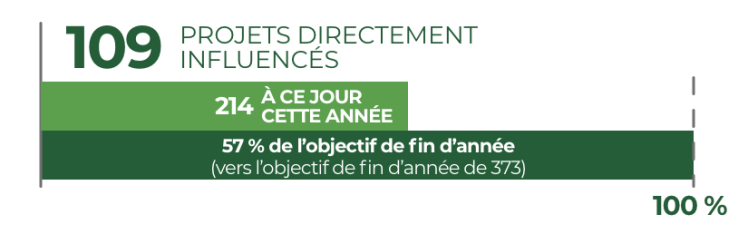
WoodWorks a déclaré 109 conversions de projets au deuxième trimestre, ce qui marque un quatrième trimestre consécutif de plus de 100 projets convertis. La taille moyenne des projets convertis aux premier et deuxième trimestres était considérablement plus élevée qu’à la fin de 2025, soit 135 000 pieds carrés, une hausse de 27 pour cent par rapport aux 106 000 pieds carrés de l’an dernier.
Plusieurs gros projets d’habitation multifamiliale et de résidences pour étudiants ont collectivement permis d’accroître cette surface. Une tendance soutenue de passage des grands projets d’habitation multifamiliale à l’étape de la construction serait un signe très positif pour le marché en général et la perspective des projets déclarés par WoodWorks. Le marché des bâtiments de grande hauteur en bois poursuit aussi sur sa lancée, alors qu’au moins un projet de ce type est mis en chantier chaque trimestre des 12 derniers mois. WoodWorks soutient plus de 200 projets de bâtiments de grande hauteur en conception et le bois constitue un autre signe positif d’un retour à la croissance des marchés.
Même si aux États-Unis, l’activité générale des secteurs multifamilial et non résidentiel a ralenti à 1,7 milliard de pieds carrés en 2025 (par rapport au sommet de 2,3 milliards de pieds carrés en 2022), le bois continue d’accaparer une part croissante des projets qui se concrétisent. Pendant la même période, la part de construction du bois est passée de 33 à 40 pour cent. Cette augmentation a permis à la construction en bois de demeurer résiliente même si le marché s’est contracté en général.

de grande envergure à ossature de bois légère
Une formation à l’échelle d’une firme permet de renforcer ses capacités. Le soutien adapté aux projets a aidé une équipe de conception à relever les défis liés à la structure, à l’acoustique et à la résistance au feu d’un complexe multifamilial de cinq étages, tout en augmentant sa capacité à créer des bâtiments de grande envergure à ossature de bois légère lors de projets futurs.
Une formation sur les bâtiments de type III permet d’approfondir l’expertise régionale. Une formation donnée à 60 architectes, ingénieurs, promoteurs et professionnels du bâtiment est venue renforcer les connaissances nécessaires pour soutenir les marchés en croissance des habitations multifamiliales à ossature de bois légère dans le sud-est des États-Unis.
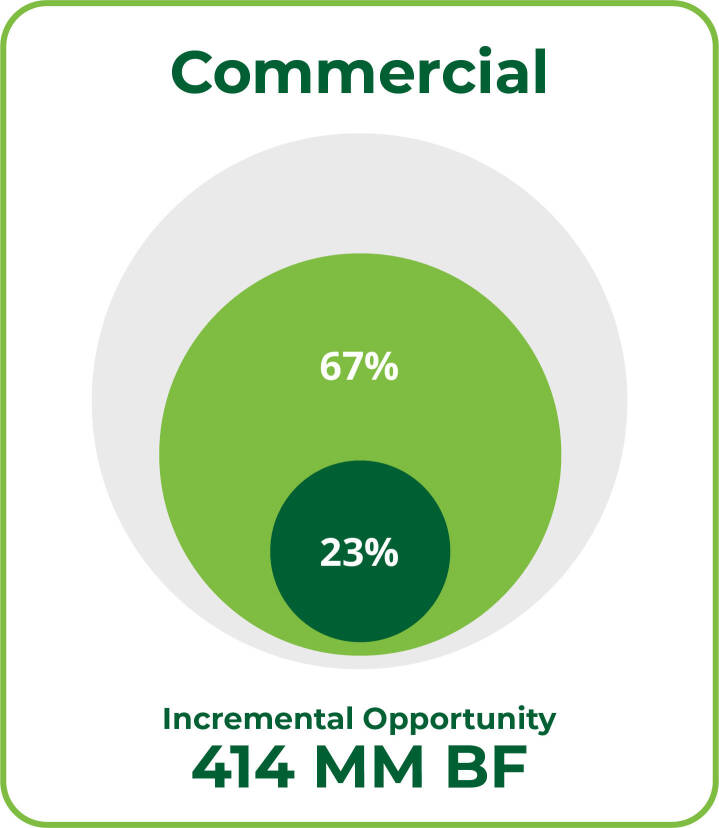
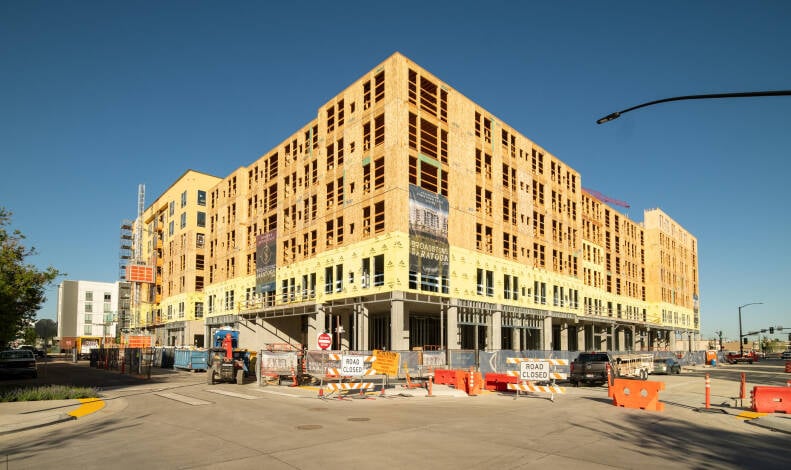
Les projets multifamiliaux de 5 à 8 étages représentent une demande supplémentaire annuelle potentielle de 307 millions de pieds-planche d’ici 2035. La contribution de WoodWorks dans ce marché démontre que l’expertise en matière de codes et le soutien technique précoce permettent de protéger l’adoption du bois, de faire passer de grands projets à l’étape de la construction et de renforcer les capacités professionnelles nécessaires à une demande reproductible pour le
bois d’œuvre.
Broadstone Saratoga | Photo : Chad Case Photography
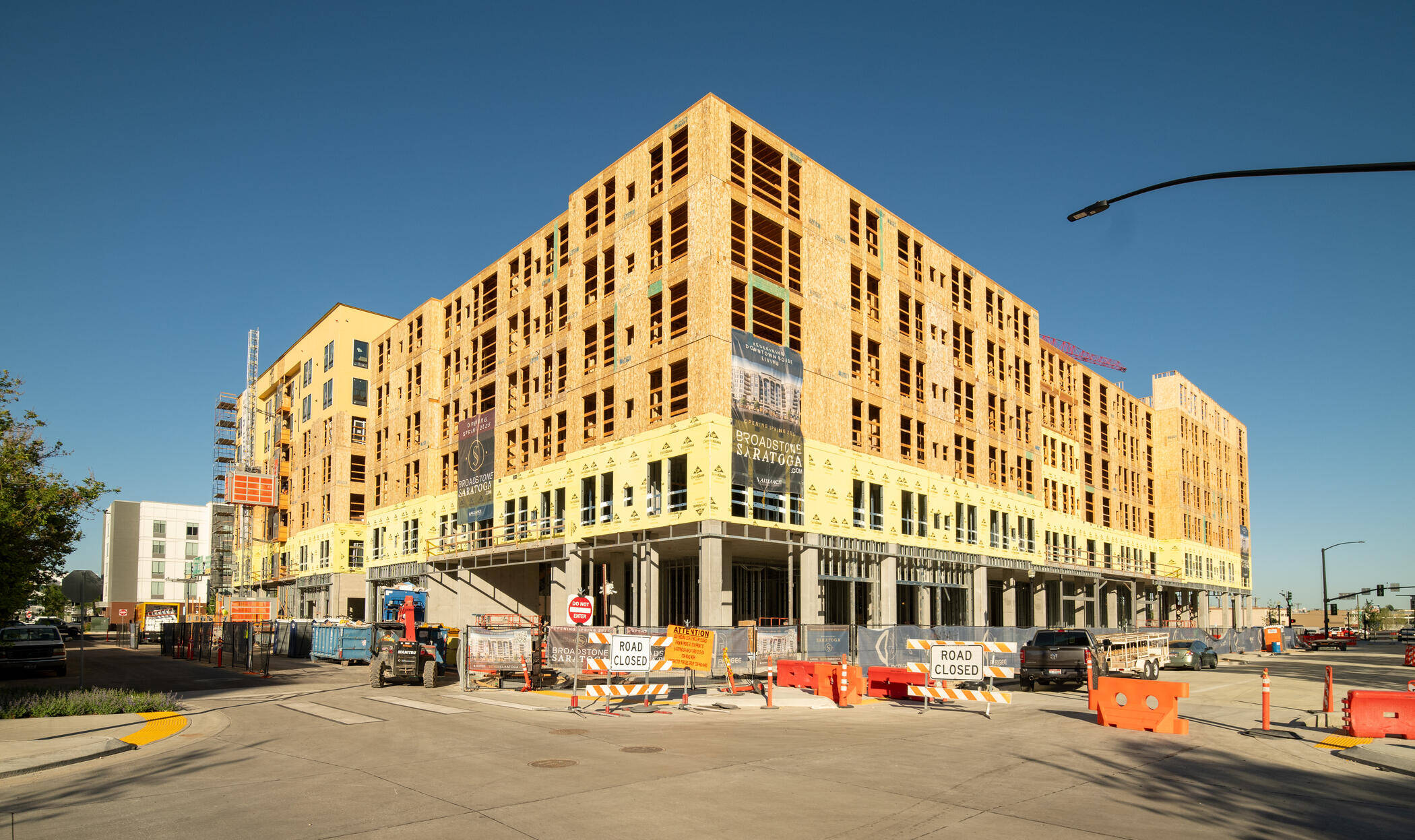
Grâce à un soutien technique personnalisé, à l’interprétation des codes et à une éducation en début de processus, WoodWorks permet aux équipes de conception d’envisager en toute confiance des bâtiments en bois de moyenne hauteur à ossature de bois légère et sur podium. Les structures à ossature de bois légère représentent 47 pour cent des possibilités décrites dans le plan stratégique à long terme du SLB et, alors que la demande pour ce type de construction continue d’augmenter, le soutien des projets par WoodWorks est essentiel pour permettre aux équipes d’affronter les défis liés à la conception, aux codes et aux structures.
Au deuxième trimestre, plusieurs initiatives démontrent qu’un soutien technique ciblé permet de maintenir la place du bois dans ces bâtiments :
Des indications sur les codes aident un projet à garder le cap à Los Angeles. WoodWorks a contribué à régler des questions de hauteur, de surface et de résistance au feu dans un bâtiment à usage mixte de type III-A, qui totalise 75 000 pieds carrés sur cinq étages, pour ainsi réduire le risque de refonte des plans tout en préservant la solution à ossature de bois légère.
L’expertise en matière de murs coupe-feu profite à deux grands complexes à usage mixte. Le soutien technique de WoodWorks a aidé des ingénieurs à coordonner les exigences liées à la structure et à la résistance au feu de projets totalisant 720 000 pieds carrés à San Diego et à Albuquerque, ce qui a permis de maintenir deux grands bâtiments à ossature de bois légère en selle.

Centre de données de Meta | Photo : Meta
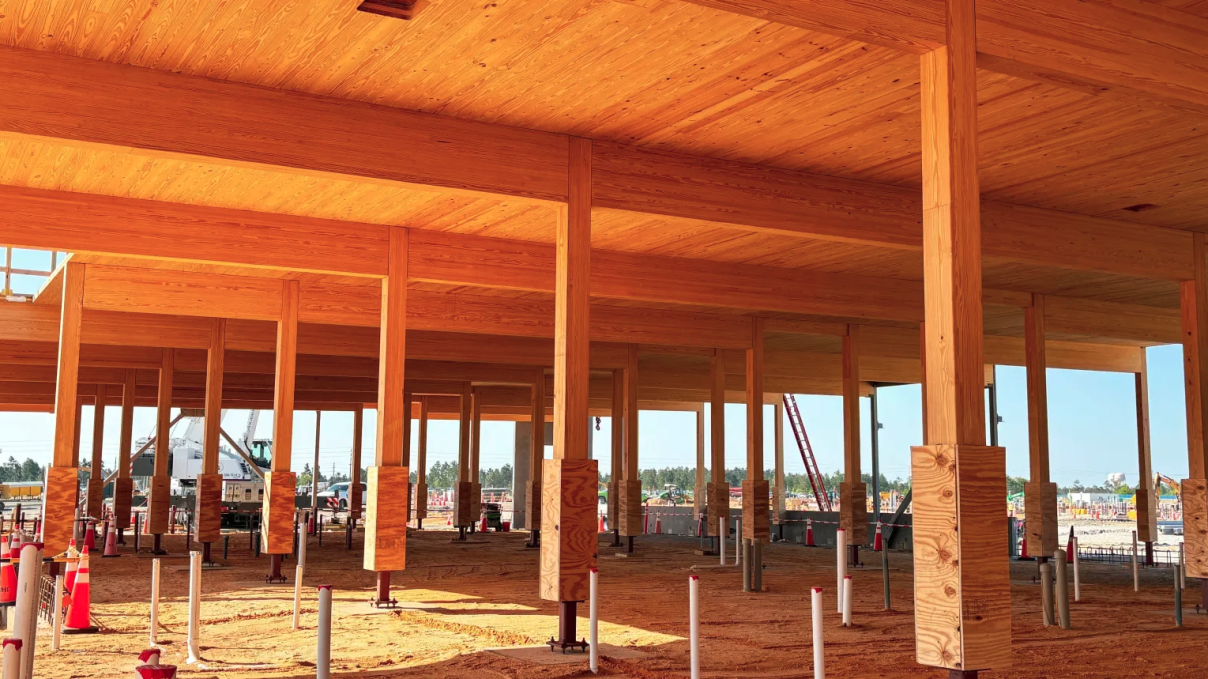
Les centres de données créent un nouveau marché pour le bois
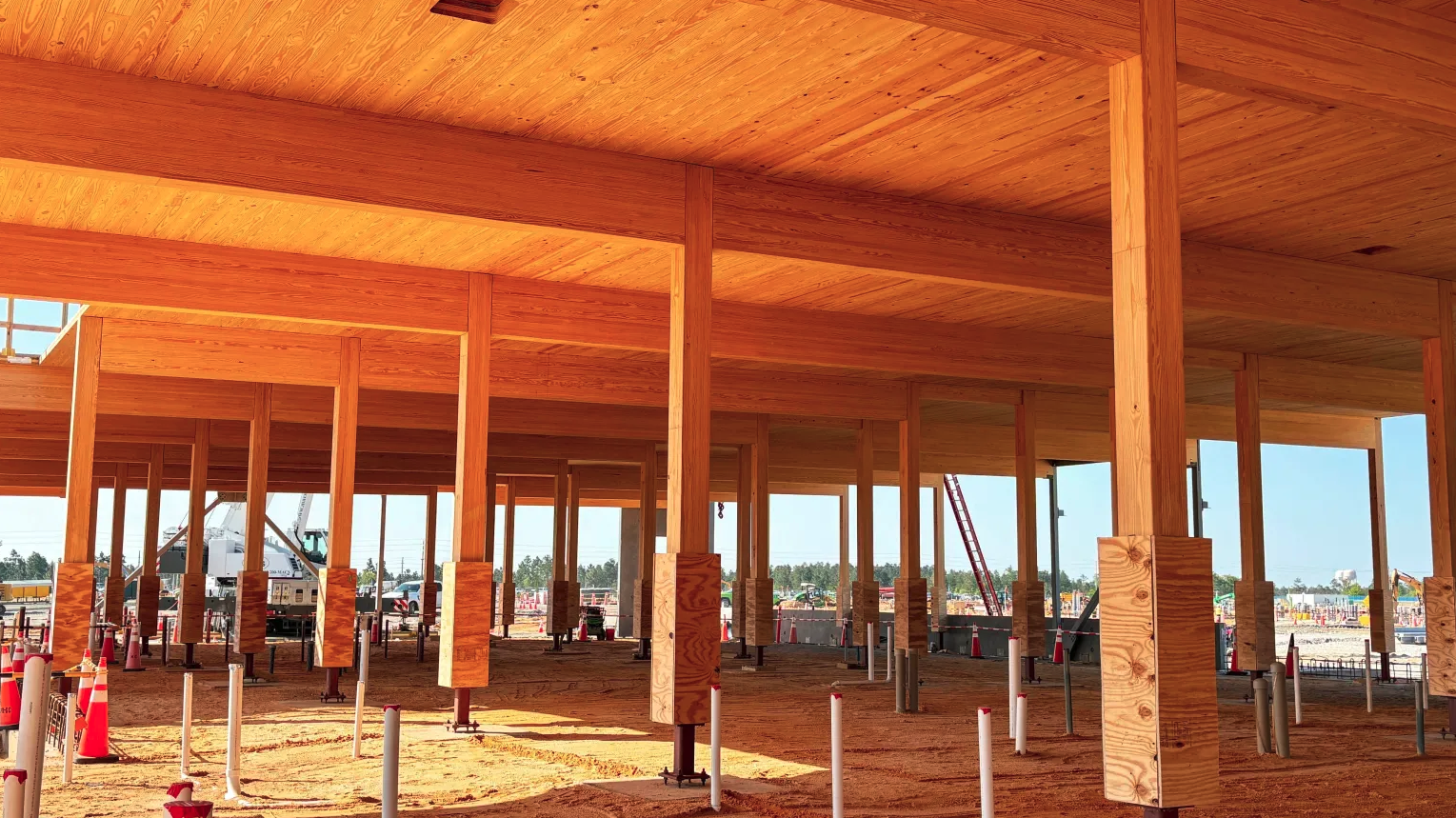
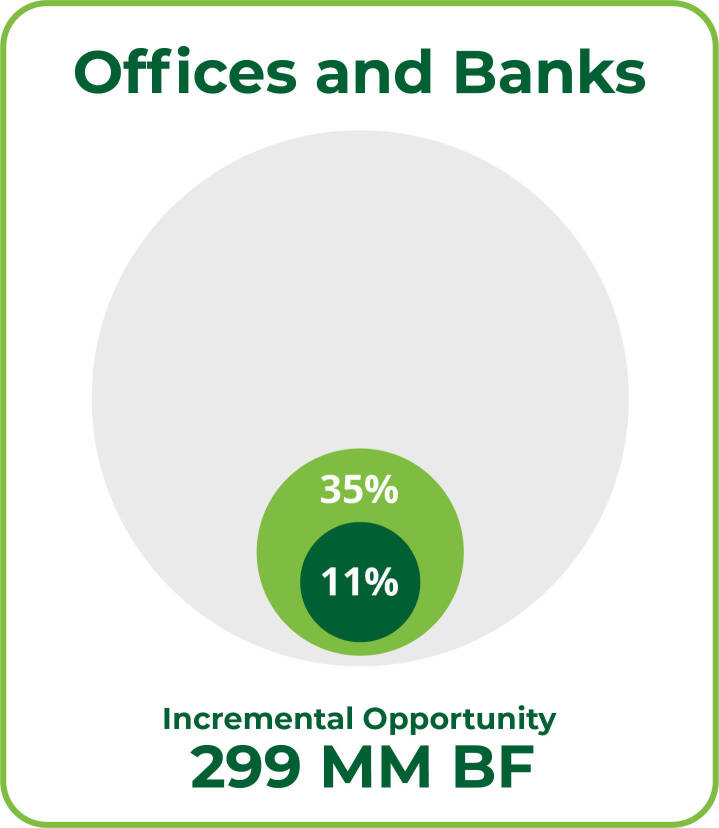
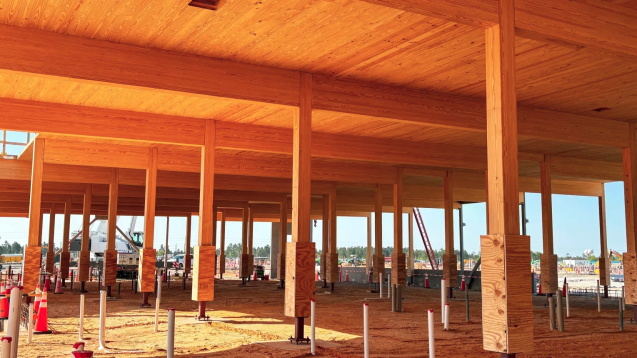
WoodWorks s’affaire à préparer le bois massif à une utilisation accrue dans le secteur en forte croissance des centres de données, soit une part de la demande supplémentaire annuelle potentielle de 299 millions de pieds-planche dans le segment des bureaux. WoodWorks a aidé l’équipe d’un centre de données à très grande échelle à valider l’utilisation de longerons en CLT dans un bâtiment de type II-B, afin d’éviter un repli vers l’acier et de créer une possibilité reproductible de recours au bois. Le soutien aux centres de données touche aussi un prototype en Virginie et une équipe du Texas qui évaluait la viabilité du CLT.
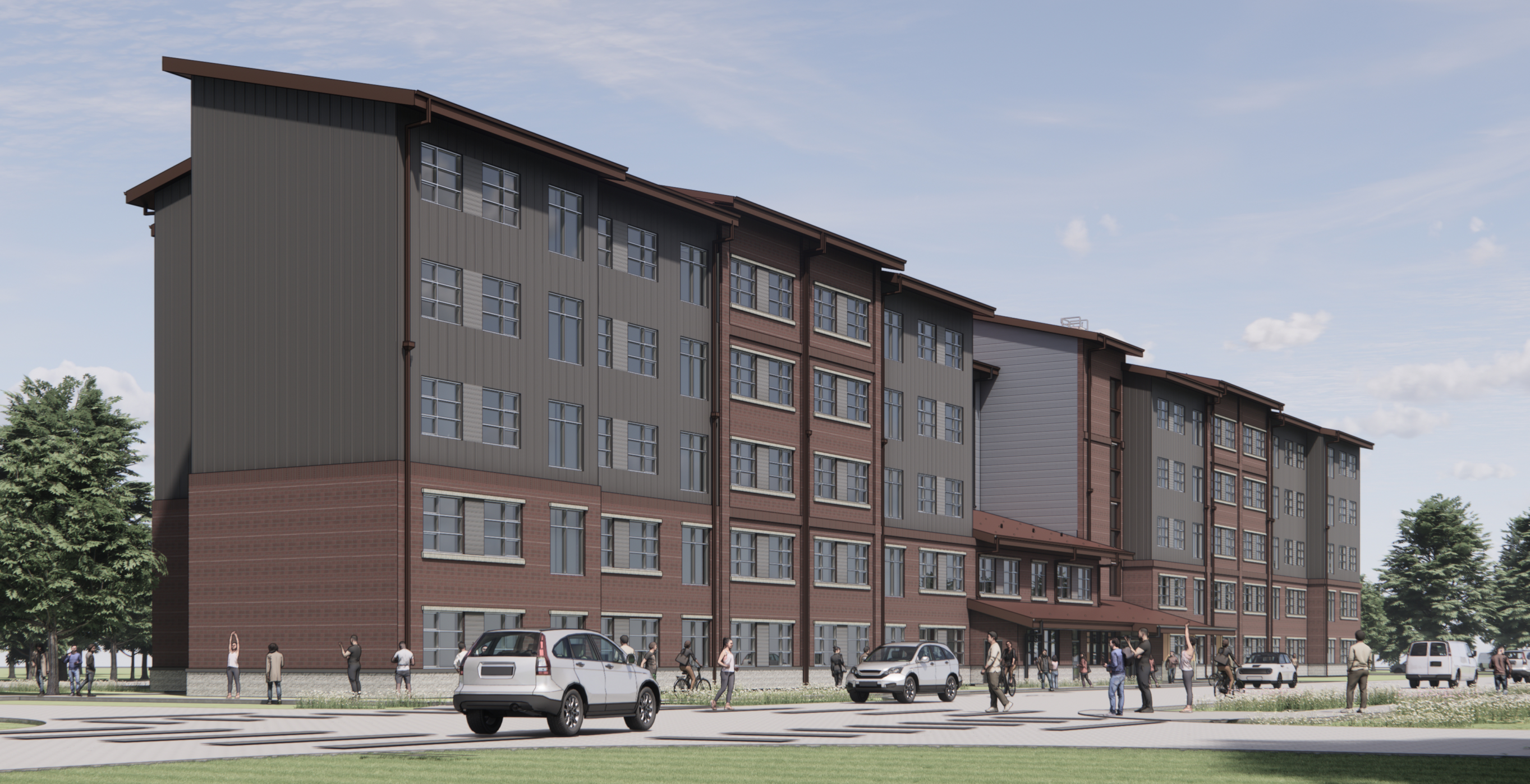
Quartiers des gradés et des hommes de troupes, Joint Base Lewis-McChord | Rendu : USACE, district de Seattle
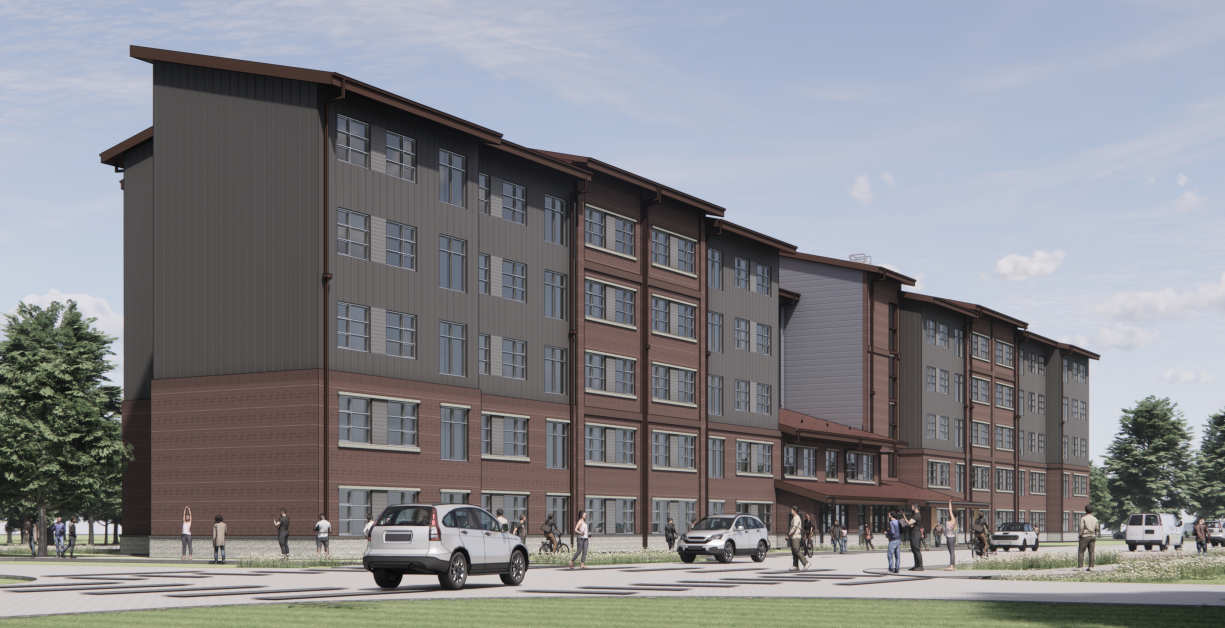
Expansion dans le secteur gouvernemental et de la défense
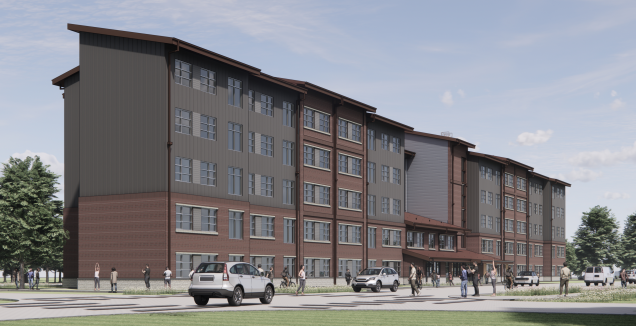
WoodWorks a fourni du soutien technique aux responsables de quartiers de 200 soldats du U.S. Army Corps of Engineers et permis de garder le bois massif dans les plans d’un projet de réserve faunique fédérale grâce à un important changement de personnel, ce qui démontre l’implantation croissante du bois dans la construction gouvernementale.

Grâce à une meilleure évaluation du marché
en 2026, WoodWorks prévoit de 388 á 425 conversions de projets pour l’année, soit dans
le haut de la fourchette des prévisions initiales.
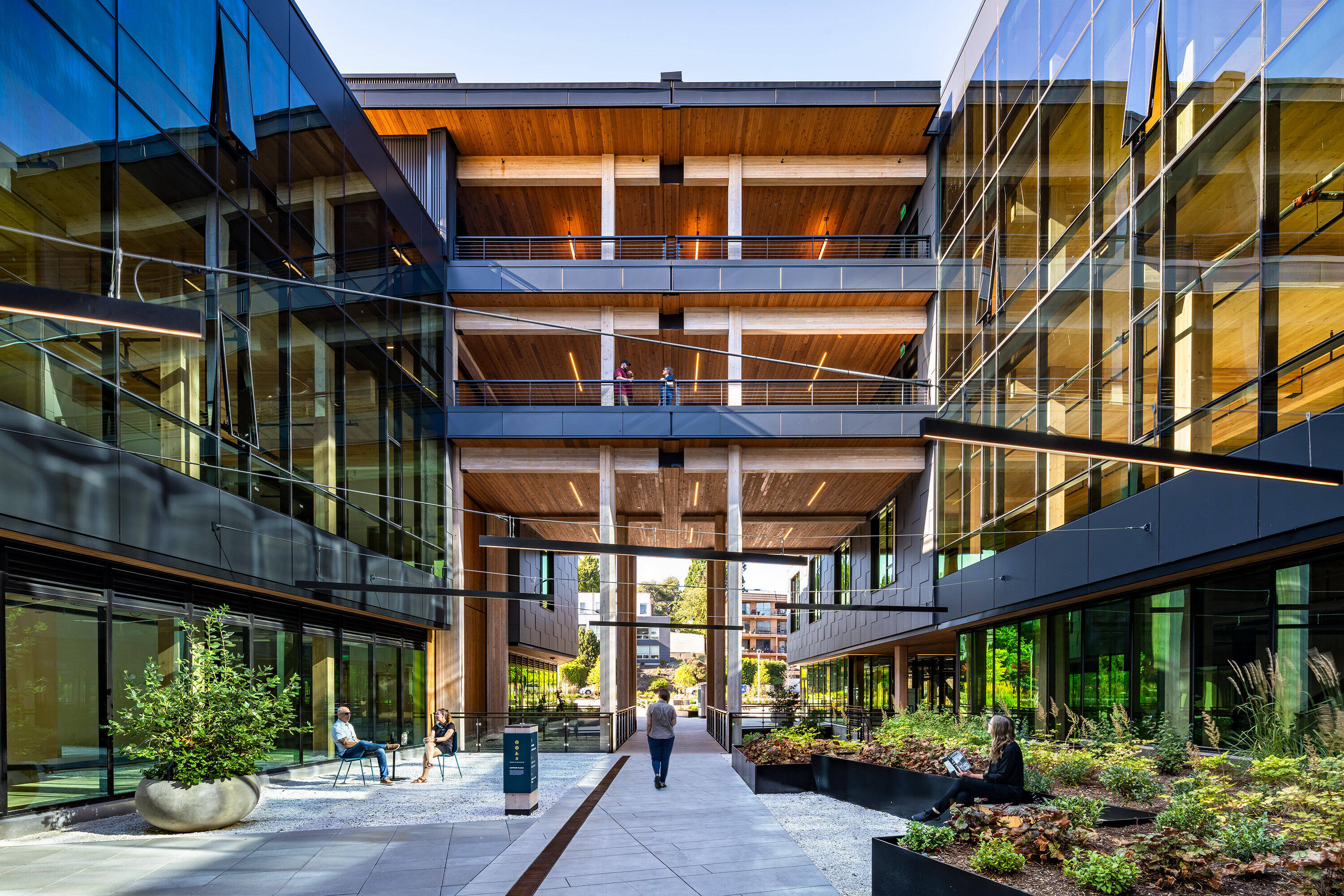
Northlake Commons |
Photo : Meghan Montgomery
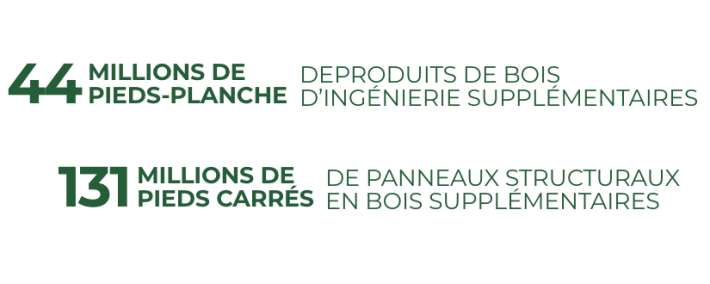
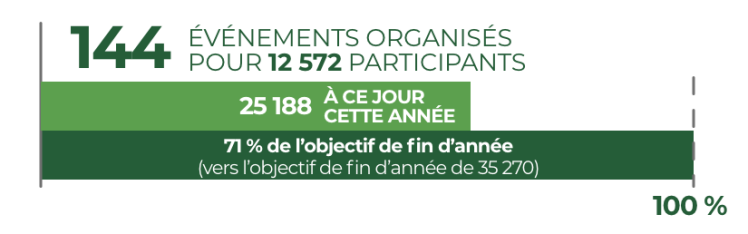
(vers l’objectif de fin d’année de 35 270)
cette année
en bois supplémentaires
pieds carrés
d’ingénierie
supplémentaires
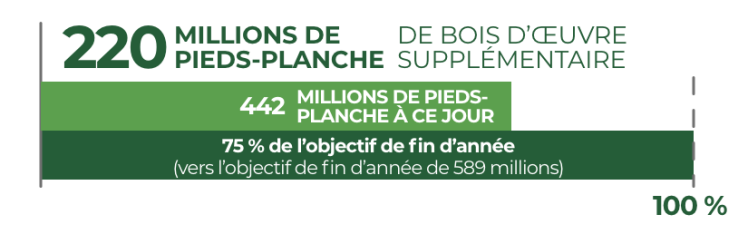
pieds-planche
(vers l’objectif de fin d’année de 589 millions)
carrés à ce jour
pieds-planche
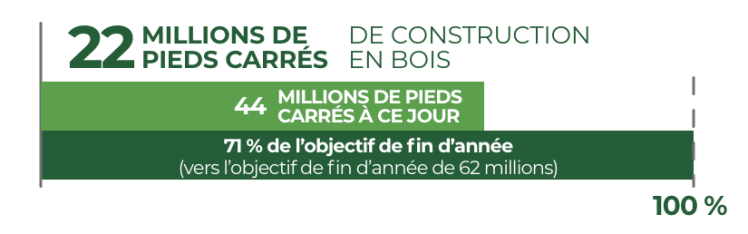
(vers l’objectif de fin d’année de 62 millions)
carrés à ce jour
pieds carrés
(vers l’objectif de fin d’année de 373)
cette année
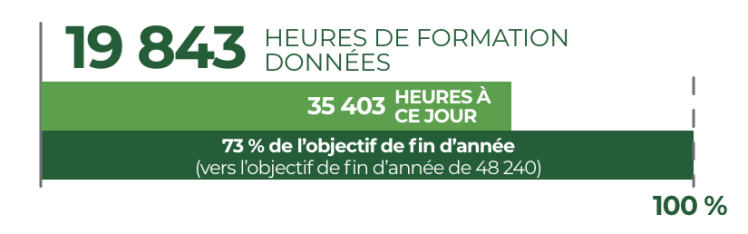
(vers l’objectif de fin d’année de 48 240)
ce jour
Hours
Reportage principal
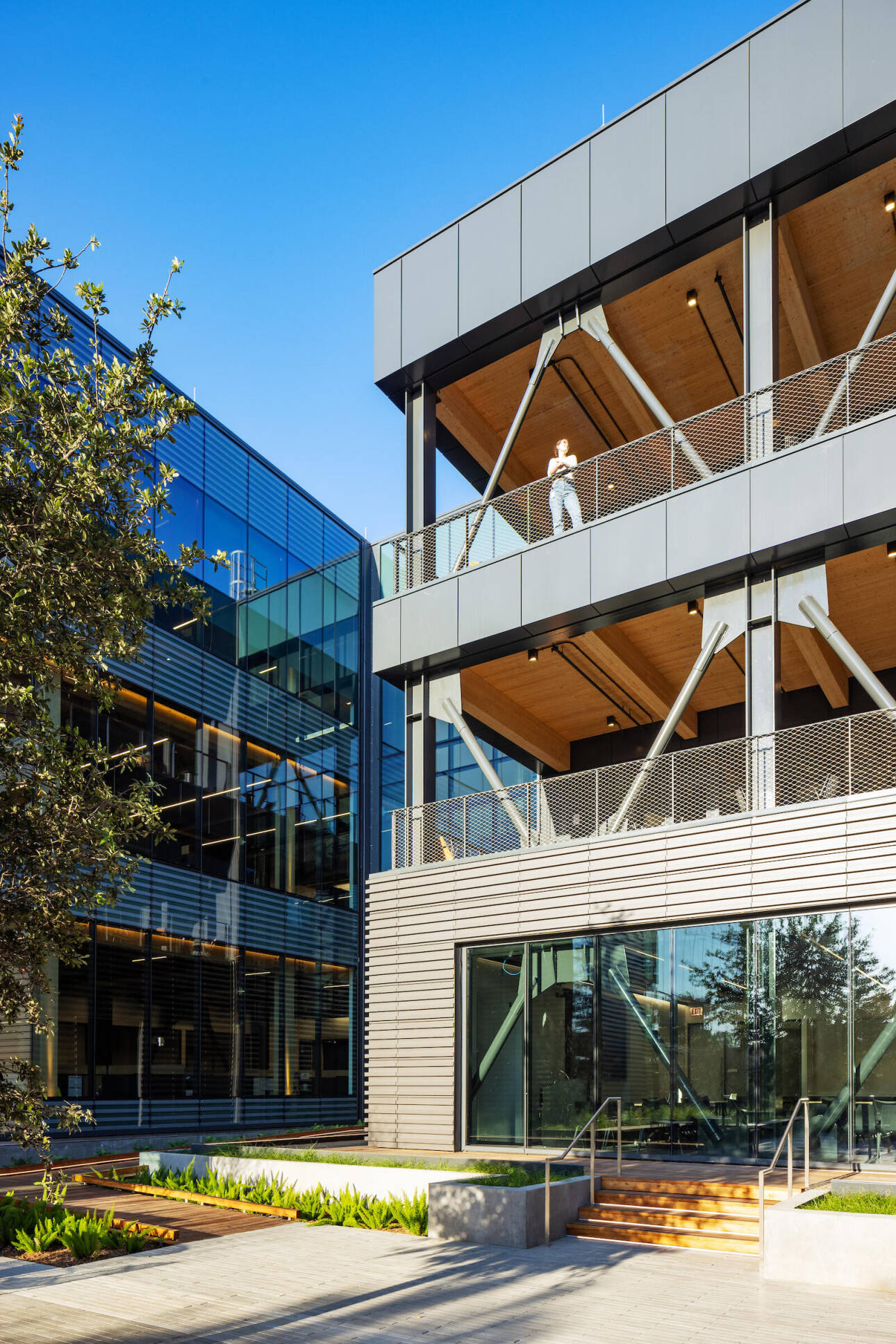
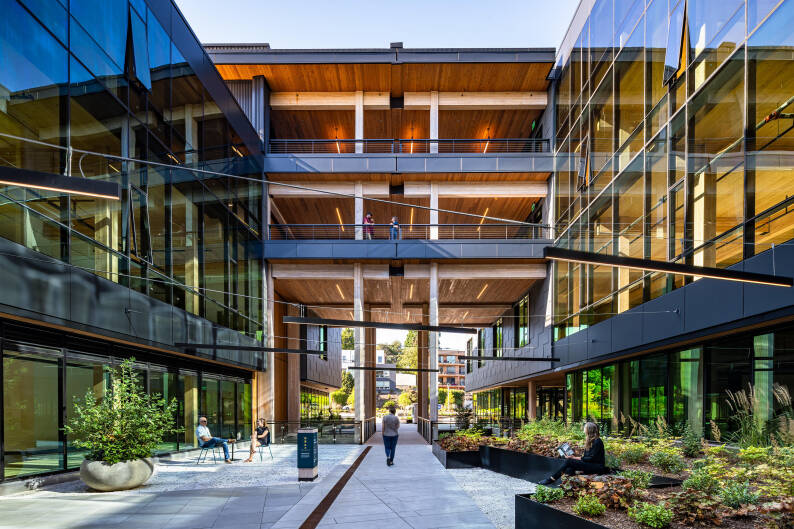
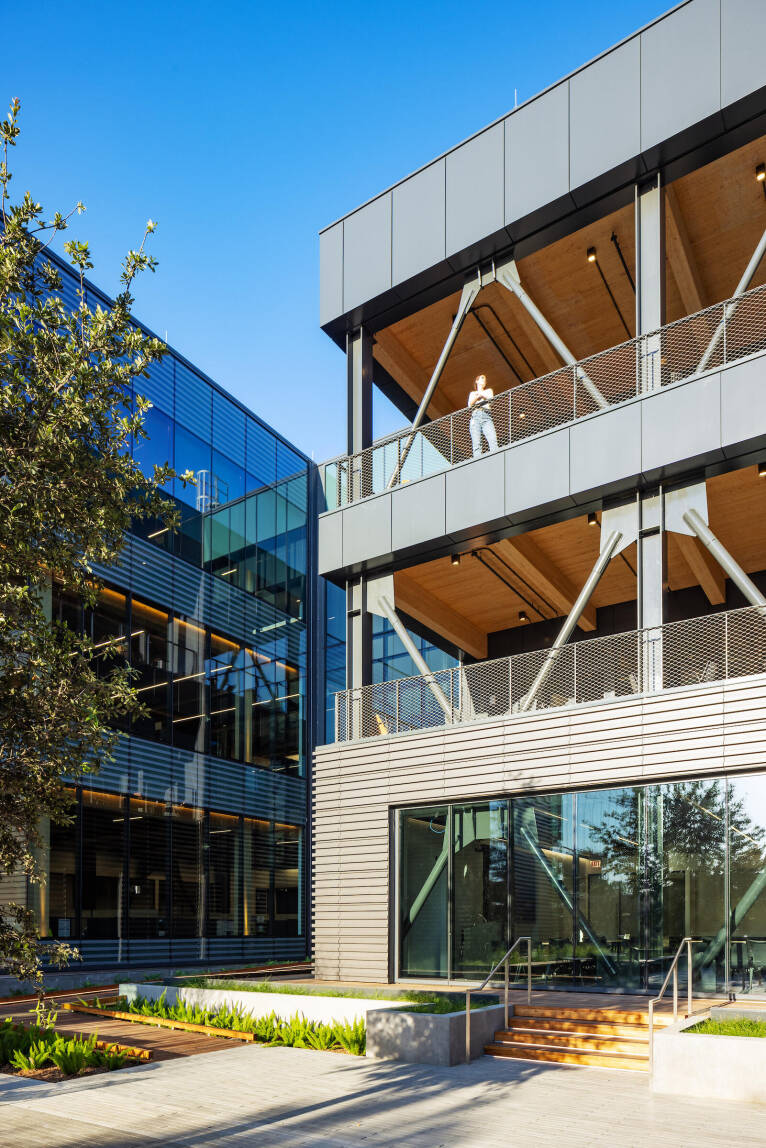
L’industrie de l’acier s’efforce de réduire les risques liés à sa rivalité avec le bois en adoptant les systèmes hybrides en acier et en bois massif, comme celui utilisé au siège social de l’Orange County Sanitation District, de la firme HDR. | Photo : Dan Schwalm
le cahier de jeux du SLB
Les concurrents ajustent leurs messages aux conditions actuelles du marché, passant des prétentions génériques de supériorité de leur matériau aux plaidoyers axés sur le carbone et la durabilité. L’industrie du béton consolide des dépenses liées aux cotisations autour d’un mandat de croissance. L’industrie de l’acier s’efforce activement de réduire les risques liés à sa rivalité avec le bois en adoptant les systèmes hybrides en acier et en bois massif plutôt que d’opter pour une rhétorique hostile au bois, comme par le passé. Voici les faits saillants observés par le SLB :
La crédibilité liée au carbone et aux DEP est désormais le principal enjeu des trois catégories de matériaux. Au cours des 24 derniers mois, chacun des concurrents a produit une calculatrice de carbone, une DEP actualisée ou un engagement à la carboneutralité.
La concurrence pige essentiellement dans le cahier de jeux de WoodWorks. Tous les principaux concurrents déploient désormais leur version du modèle de WoodWorks, soit des webinaires, de la formation sur demande, du soutien à la conception et du personnel sur le terrain, ce qui valide ce modèle, mais érode la différenciation stratégique de WoodWorks au fil du temps.
Une menace émergente : l’impression 3D de béton bénéficie d’un soutien institutionnel. En parallèle, une menace extérieure à la lutte entre les matériaux classiques gagne la validation de l’industrie financière : Wells Fargo est aujourd’hui le prêteur privilégié d’ICON, un constructeur de maisons de béton imprimé en 3D, appuyant cette technologie par un crédit d’impôt préférentiel. Voilà un signe que l’innovation technologique en construction, et pas seulement les matériaux, commence à attirer des capitaux classiques vers des méthodes axées sur le béton, en particulier dans les segments des habitations unifamiliales et abordables, où l’ossature en bois d’œuvre résineux n’avait habituellement pas d’opposition. Ce phénomène mérite une certaine attention, mais la menace n’est pas encore à l’échelle des codes ou des exigences techniques.
Un engagement accru incite à l’adoption du bois
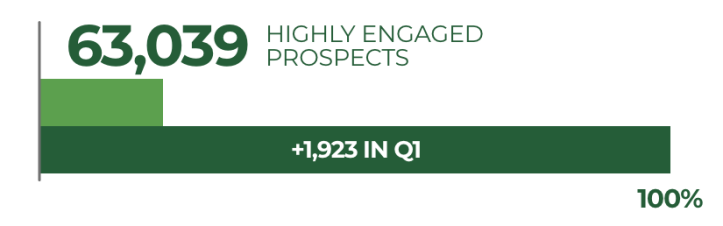
L’incidence de Think Wood est encore à son meilleur chez les publics les plus investis. Soixante-sept pour cent des utilisateurs à engagement élevé estiment que la plateforme les a davantage incités à choisir le bois. Ces conclusions renforcent une tendance constante : un engagement accru incite davantage à l’adoption du bois.
de cas incite à choisir le bois
Think Wood a soutenu ces publications par l’envoi généralisé et plus pertinent de courriels de fidélisation aux clients potentiels. Plutôt que de montrer des signes de fatigue devant ces envois, les utilisateurs étaient plus enclins à en recevoir davantage, ce qui a stimulé l’engagement et contribué à faire passer 2 280 contacts au rang de clients à engagement élevé lors du deuxième trimestre.
Ces études de cas concordent avec la projection du SLB, soit une demande supplémentaire annuelle en bois d’œuvre de 2,9 milliards de pieds-planche d’ici 2035. La construction d’habitations multifamiliales, d’établissements d’enseignement et d’immeubles de bureaux représente plus de 1,4 milliard de pieds-planche de débouchés connus, ce qui fait des exemples de projets ciblés des outils importants pour accélérer l’adoption du bois.
Ces résultats renforcent une tendance constante : grâce à des exemples de projets crédibles, à des conseils détaillés et à un suivi pertinent, les professionnels de la conception et de la construction sont plus susceptibles de choisir le bois.
Les études de cas qui portent sur des projets comme le 1501 Mike Fahey, un projet de bureaux en bois massif conçu par HDR, a permis à Think Wood de susciter l’intérêt et de convertir des contacts de projet. | Photo : Dan Schwalm
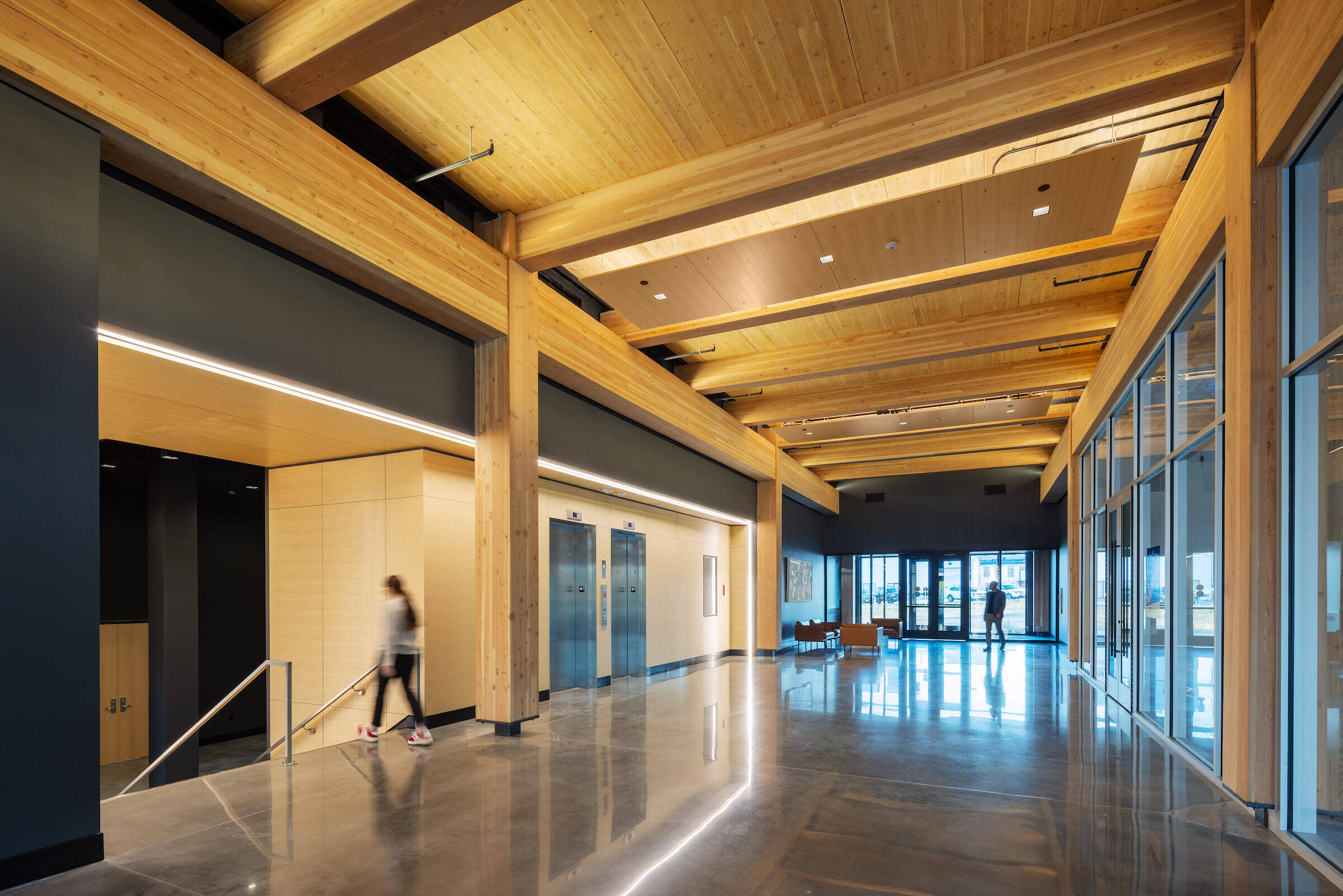
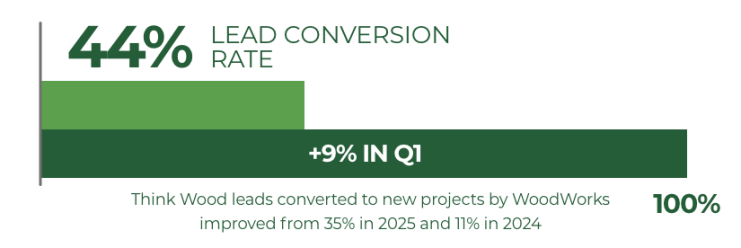
Le contenu lié aux projets continue de susciter l’engagement le plus élevé et le meilleur taux de conversion chez Think Wood. Le taux de conversion de contacts potentiels en projets du programme a atteint 41 pour cent au deuxième trimestre, par rapport à 24 pour cent l’année dernière, au même rythme que le record établi au premier trimestre.
Les études de cas et le contenu axé sur les projets ont constitué les ressources les plus efficaces; elles ont montré aux architectes, aux ingénieurs et aux entrepreneurs que les systèmes structuraux en bois d’œuvre permettent de relever les défis liés à la conception, au coût et à la construction.
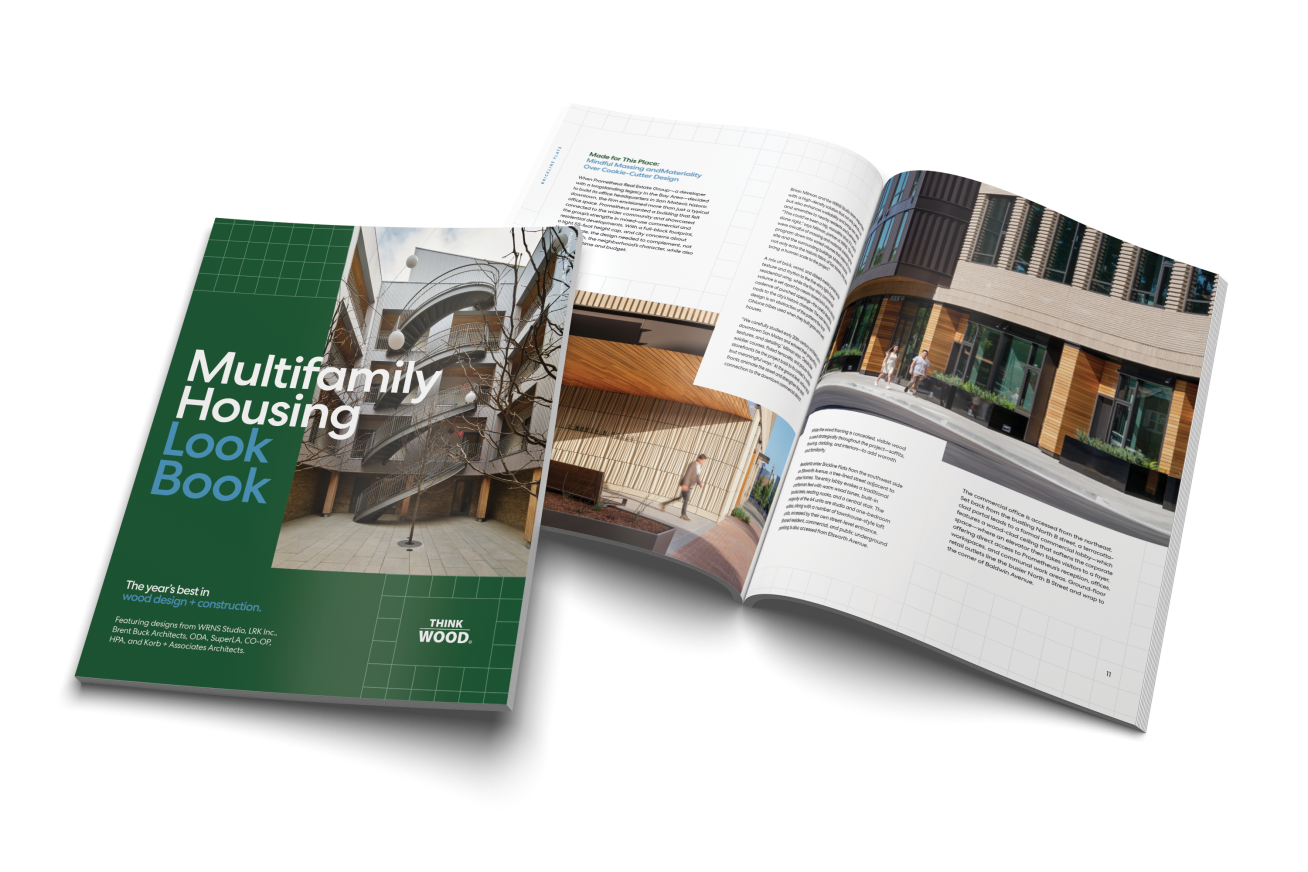
Au deuxième trimestre, de nouvelles ressources dédiées aux marchés ont démontré un grand potentiel de croissance. Le Packer Collegiate Institute Garden House a illustré les possibilités du bois massif dans le secteur de l’éducation. À Omaha, un immeuble à bureaux a démontré qu’un modèle hybride en acier et en bois massif peut surpasser une solution entièrement en acier. Un nouveau LookBook d’habitations multifamiliales a permis de consolider des stratégies et des exemples éprouvés dans l’un des plus grands marchés de la construction en bois.
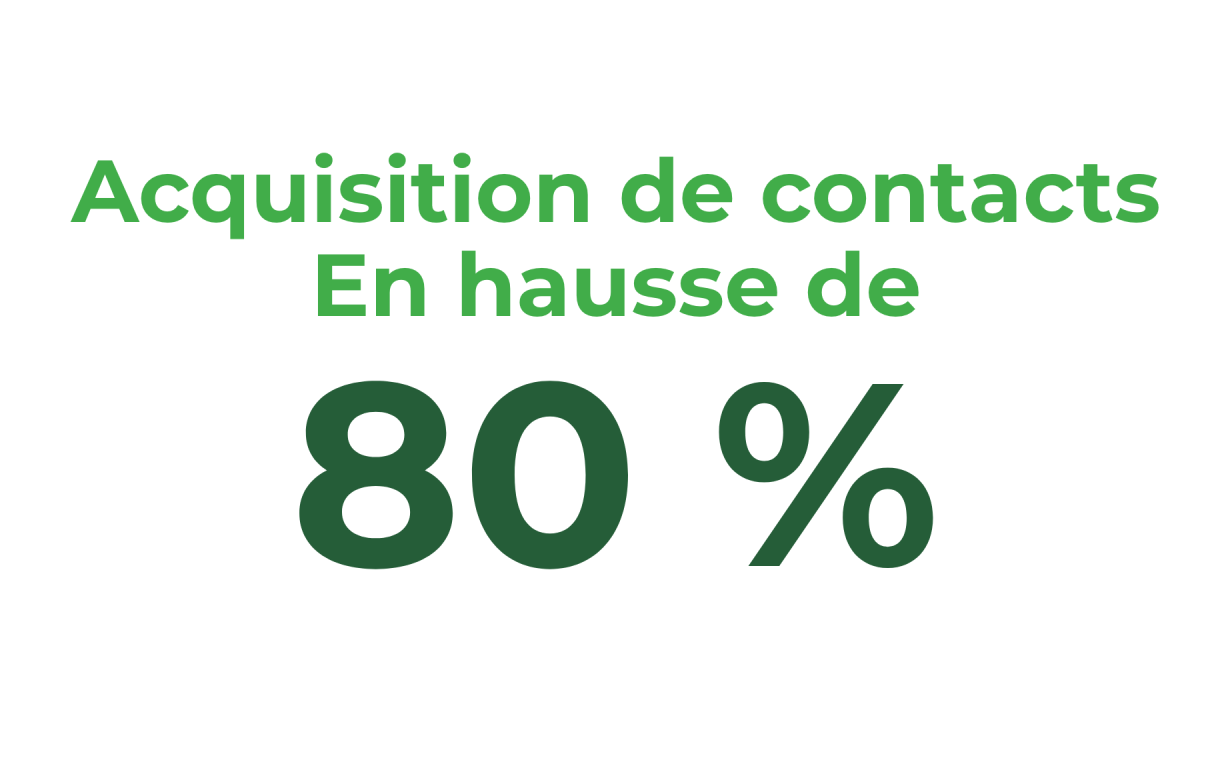
L’acquisition de contacts connaît un bond de 80 %
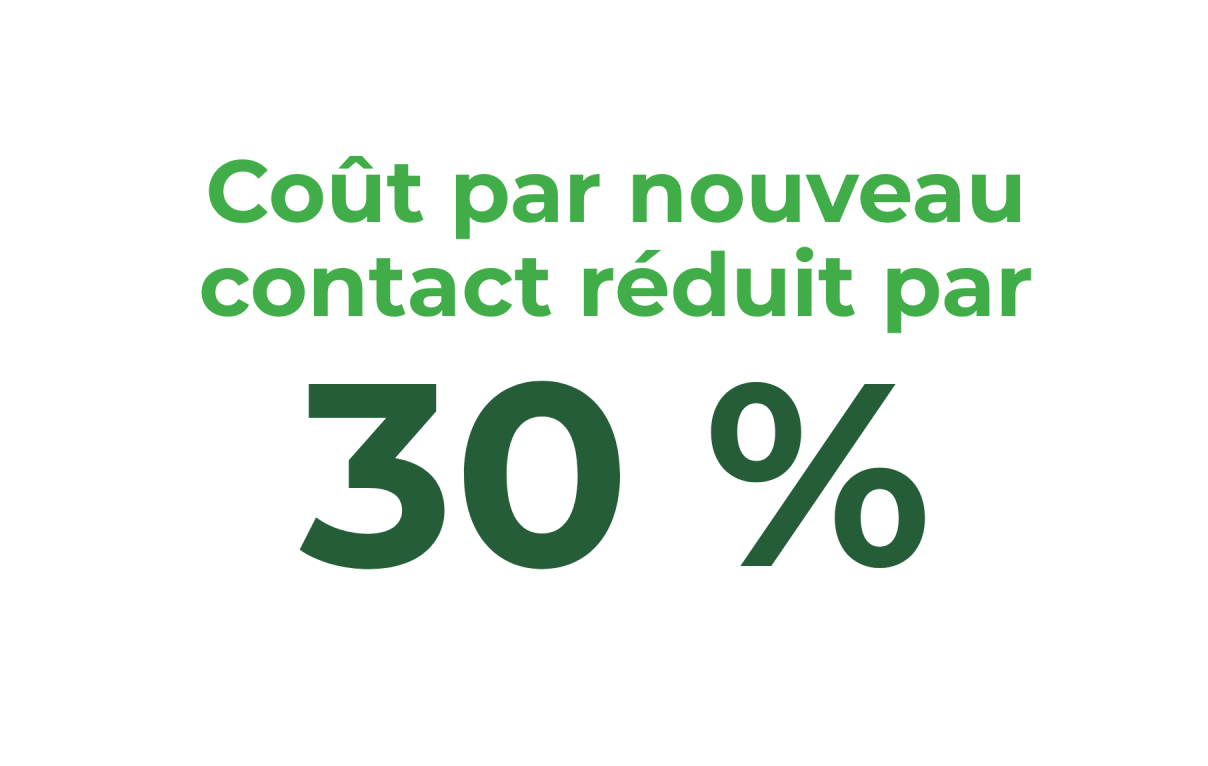
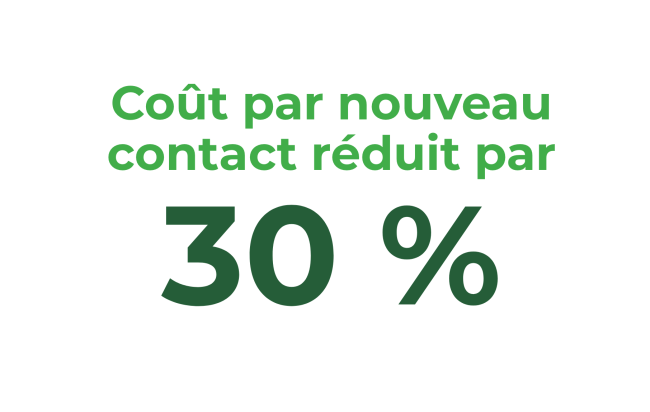
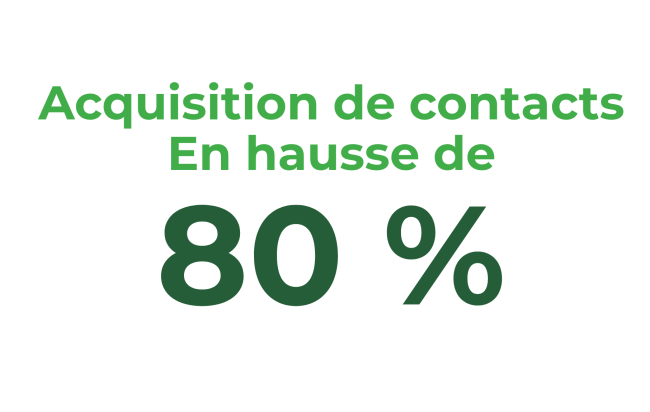
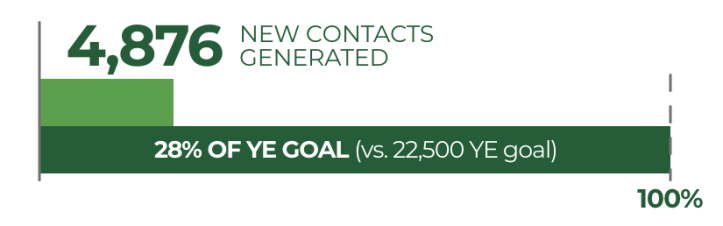
Think Wood a augmenté son acquisition de contacts de 80 pour cent par rapport au trimestre précédent en raison de données de projets que le SLB a obtenues du Dodge Construction Network. Le référencement social payant a presque permis de doubler le nombre de nouveaux contacts de ce canal tout en réduisant le coût par nouveau contact net de 30 %.
Think Wood et WoodWorks préparent une stratégie coordonnée d’engagement pour 2027 afin de cofidéliser leurs publics communs, d’augmenter l’efficacité et de traduire l’intérêt de plus en plus d’utilisateurs en adoption du bois et en conversion de projets.
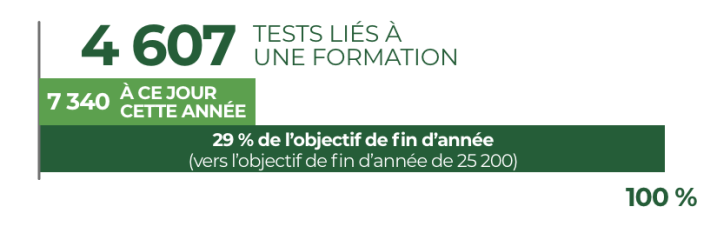
(vers l’objectif de fin d’année de 25 200)
cette année
une formation
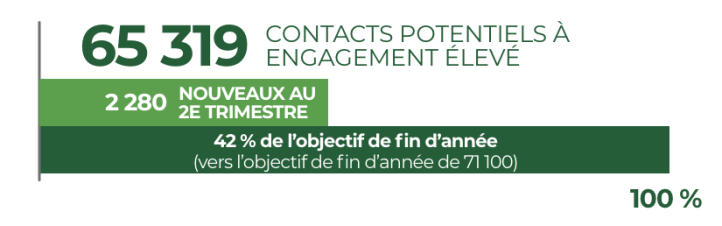
(vers l’objectif de fin d’année de 71 100)
2e trimestre
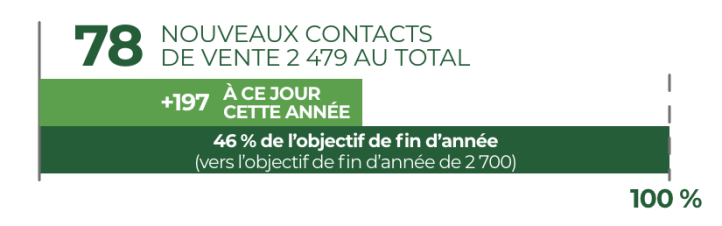
(vers l’objectif de fin d’année de 2 700)
cette année
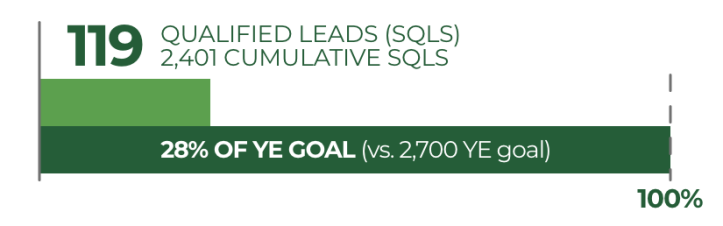
de vente 2 479 au total
contacts générés
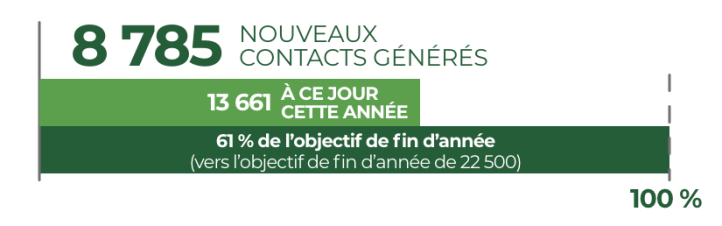
(vers l’objectif de fin d’année de 22 500)
cette année

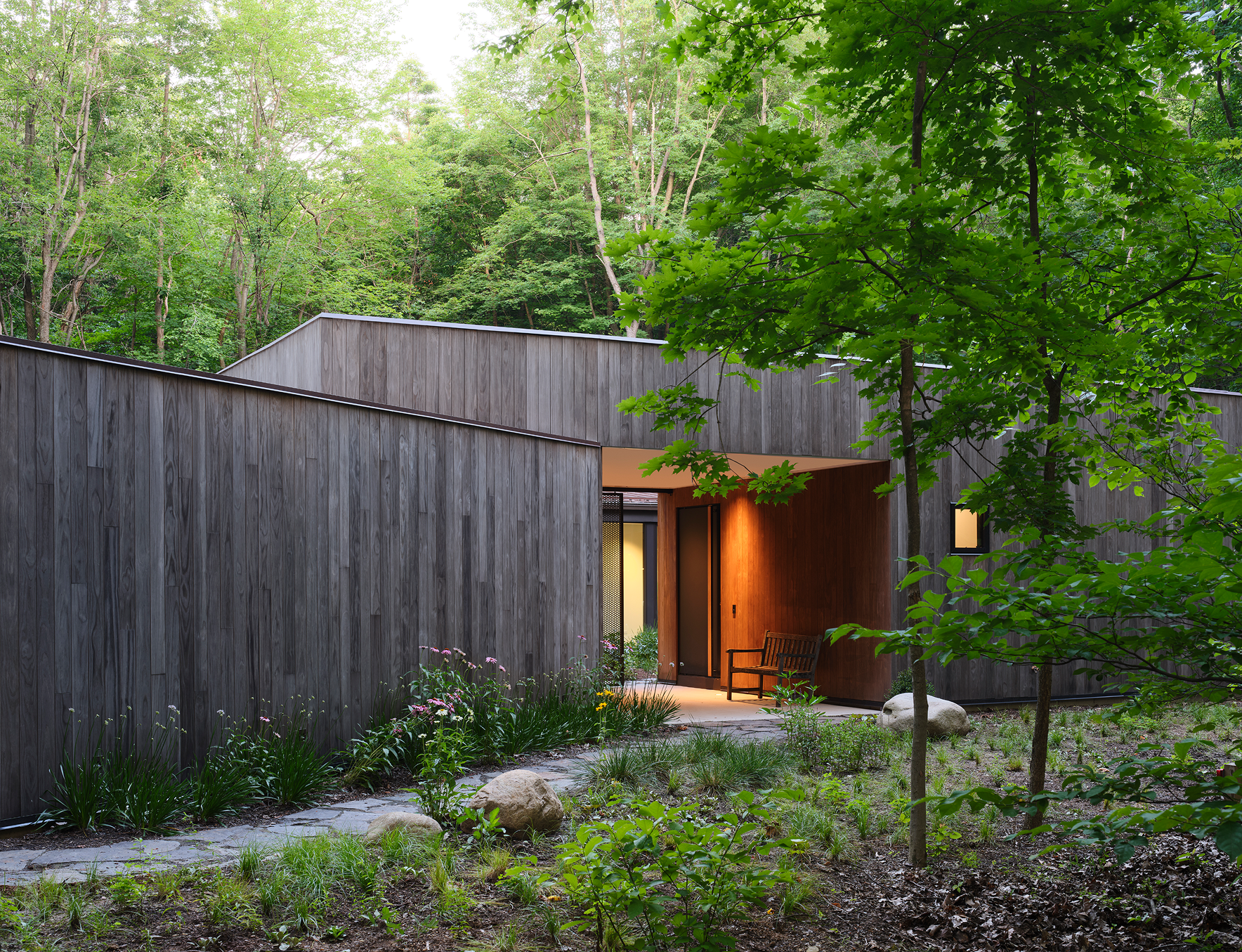
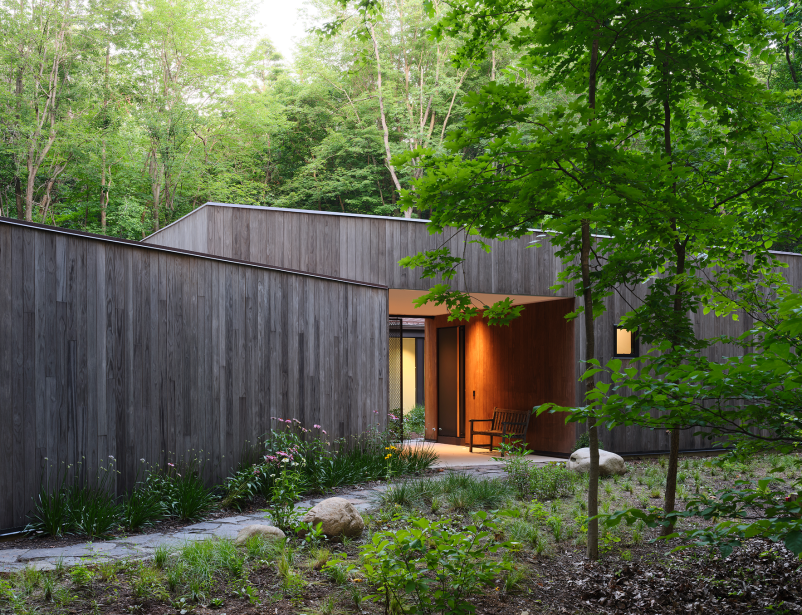
Courtyard Retreat |
Photo : Steve Hall

Pour toute question concernant les rapports du SLB, veuillez écrire à info@softwoodlumberboard.org

précédents





Quatre trimestres consécutifs avec plus de 100 projets convertis
Faits saillants du 2e trimestre

au deuxième trimestre




Le Soundview Recreation Center, dans le Bronx, a été retenu pour la deuxième cohorte du Mass Timber Studio de New York. Soundview Recreation Center | Rendu : Snøhetta
Reportage principal du SLB
Les matériaux concurrents
suivent la stratégie de SLB
Vous aimeriez lire d’autres reportages du SLB?
Consultez ces articles.
Le bois d'œuvre gagne des parts de marché dans un contexte de ralentissement
Améliorer l'efficacité et l'impact grâce à l'IA
Cinq facteurs régissent l’évaluation des villes candidates : le degré de préparation du secteur public, la capacité du secteur privé, la force du réseau d’intervenants, les conditions du marché et le respect des priorités du SLB et du USDA. Les marchés les plus robustes disposent d’un réseau de développement actif, de champions locaux dévoués, d’équipes de projets compétentes, de professionnels des codes et de la sécurité incendie ouverts, ainsi que d’occasions de faire la démonstration, à maintes reprises et à grande échelle, des systèmes à ossature de bois légère, hybrides et en bois massif.
Cette approche disciplinée garantit que les investissements du SLB sont dirigés vers les villes les plus à même de convertir des projets, d’influencer les marchés environnants et de générer une demande supplémentaire soutenue en bois d’œuvre.
La stratégie des accélérateurs urbains vise à transformer les possibilités de construction locale en demande mesurable et reproductible pour le bois d’œuvre. En collaborant directement avec les États, les villes et les municipalités, le programme s’allie aux projets durant la planification et la conception, en pleine sélection des matériaux structuraux, pour s’attaquer aux obstacles liés aux permis, aux codes, à la sécurité incendie et aux marchés, qui pourraient nuire à la réalisation des projets en bois.
Les résultats démontrent l’efficacité du modèle. Les projets initiaux de Boston, de New York et de la Géorgie ont permis de faire progresser des millions de pieds carrés de construction potentielle en bois. Qu’ils soient en cours ou nouveaux, les accélérateurs de Portland, en Orégon, de Santa Monica, en Californie et de New York se bâtissent d’autres portefeuilles de projets dans les secteurs de la construction multifamiliale, commerciale, publique et à usage mixte. En août dernier, l’Alabama Forestry Foundation a lancé l’accélérateur pour le bois massif d’Alabama afin de soutenir les projets en bois massif dans les segments industriel et des habitations multifamiliales abordables. En tout, le programme a cumulé 1,8 million de dollars en financement du USDA Forest Service, du U.S. Endowment for Forestry and Communities et des partenaires régionaux, dont 325 000 dollars provenant du SLB.
Un partenariat avec C40 Cities permet d’élargir la portée du programme en créant un réseau de futurs accélérateurs urbains. Cette collaboration a permis à C40 d’assembler une cohorte de 13 villes américaines, soit des membres de son réseau et d’autres villes ciblées conjointement avec le SLB, pour renforcer les connaissances et les capacités liées à la construction en bois d’œuvre, y compris la navigation des codes et de la sécurité incendie, les considérations relatives à la main-d’œuvre et les possibilités d’une chaîne d’approvisionnement régionale. L’une des deux visites prévues pour les professionnels de la ville est terminée et un atelier destiné aux délégués de la ville reste à venir. L’objectif est de trouver des candidats en mesure de constituer les prochains accélérateurs urbains du SLB, pour élargir la portée du programme bien au-delà de ce que permet le financement direct.
Le modèle des accélérateurs récemment publié fournit le cadre pour convertir cet intérêt en action. Plutôt que de répartir les ressources de façon uniforme dans divers marchés aux débouchés variables, le SLB privilégie les villes qui procurent des gains rapides et où la demande en bois d’œuvre à long terme est le plus susceptible d’augmenter.
faire croître la demande
en bois d’œuvre dans les zones urbaines

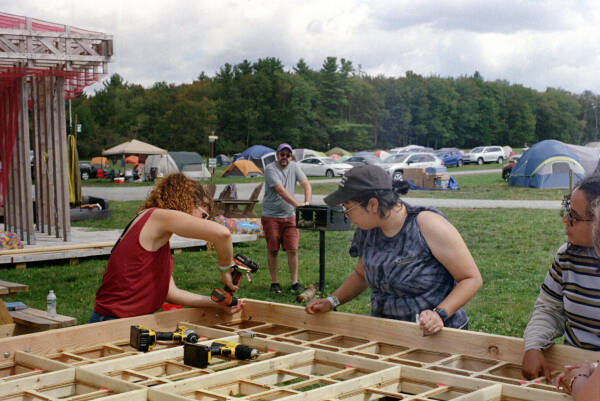
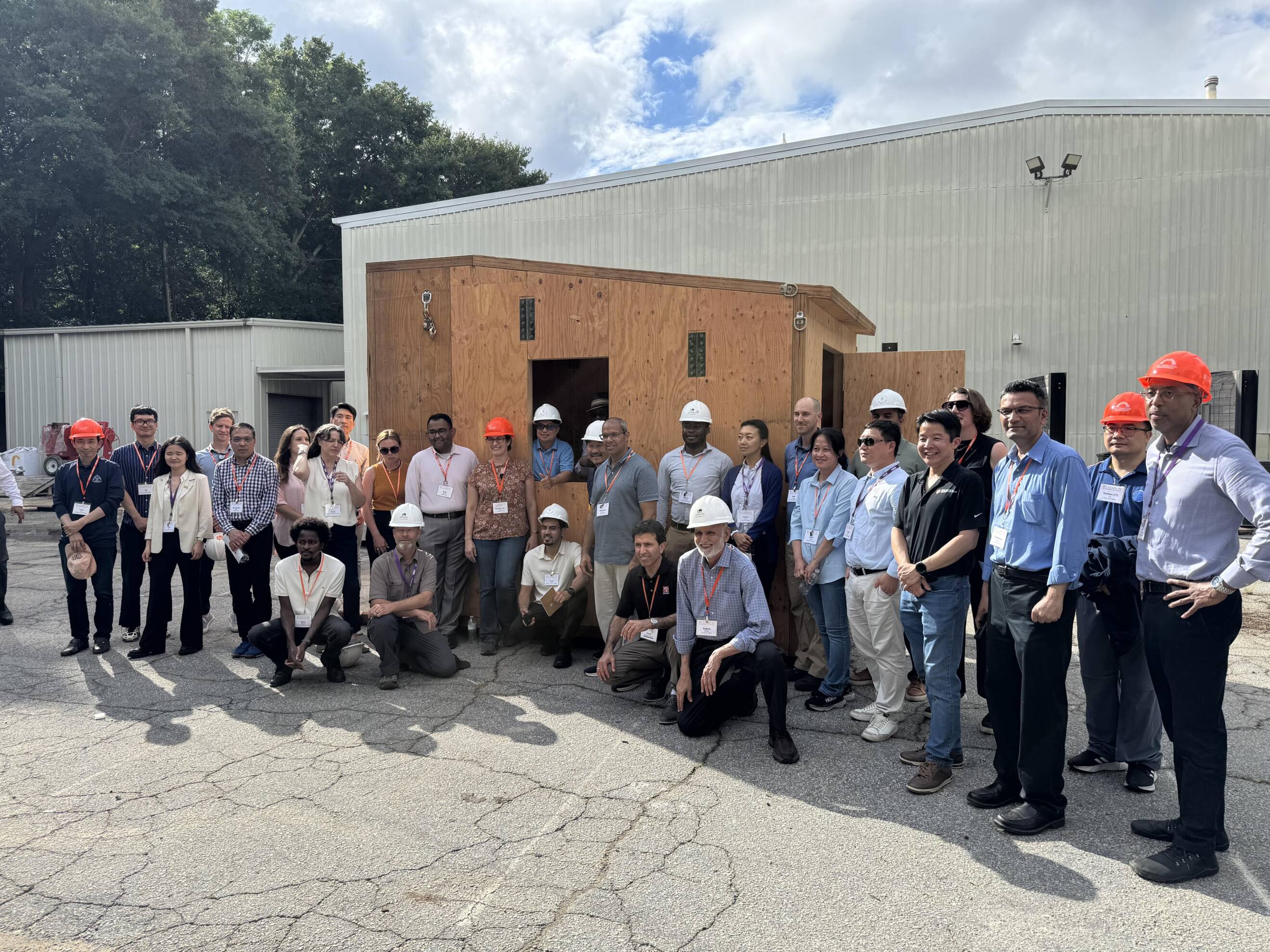
L’atelier de Clemson comprenait des visites dans la forêt expérimentale et des bâtiments en bois massif de Clemson, ainsi que des installations de fabrication de Timberlab à Greenville, en Caroline du Sud.

Lors de l’Administrators Conference de 2026 de l’ACSA, le SLB invitera les administrateurs à faire progresser la formation sur le bois et le bois massif dans les programmes d’études universitaires.



Centre étudiant de la Portsmouth Abbey School | Photo : Brad Feinknop

en chiffres

de force pour la demande future en bois
Les efforts d’intervention et de formation continue de la division de l’éducation du SLB auprès des étudiants et des professeurs continuent d’augmenter fortement cette année. De plus en plus de professionnels actuels et futurs sont équipés pour envisager les systèmes de construction en bois plus tôt dans le processus de conception et de construction.
En fait, le perfectionnement des professeurs est un facteur déterminant de cette croissance. À ce jour, cette année, 95 professeurs ont participé à trois ateliers, ce qui dépasse déjà les 75 participants pour l’ensemble de 2025, alors qu’un total de 160 est prévu d’ici la fin de l’année. Les participants représentent 72 programmes d’architecture, d’ingénierie et de construction de partout aux États-Unis. Chaque professeur formé peut intégrer sa nouvelle expertise sur la conception en bois dans plusieurs cours et la transmettre à différentes cohortes d’étudiants, et ainsi, multiplier le rendement à long terme des investissements de la division de l’éducation du SLB.
Lors d’un atelier à la Auburn University, 30 professeurs d’architecture de 28 établissements ont étudié la chaîne de valeur du bois, de la foresterie durable et de la production de bois d’œuvre à la fabrication de CLT et à la construction de bâtiments en bois massif. Tous les répondants au sondage ont indiqué une hausse de leurs connaissances et de leur confiance, alors que 83 pour cent d’entre eux prévoient d’élargir leur contenu lié au bois pendant la prochaine année scolaire. Les changements apportés aux programmes d’études devraient exposer plus de 1 000 étudiants supplémentaires par année au bois massif.
À la Clemson University, 30 professeurs d’ingénierie ont bénéficié d’enseignement technique, de ressources pédagogiques, d’activités pratiques et d’une exposition directe à la fabrication en bois, alors qu’une proportion similaire de répondants prévoient d’élargir leur contenu scolaire lié au bois. Un troisième atelier, présenté conjointement par Rothoblaas, a permis d’atteindre 35 participants à un coût individuel réduit de 27 pour cent par rapport à la moyenne des cinq ateliers prévus en 2026. Deux ateliers à venir devraient attirer 65 autres professeurs.
La forte demande pour ces ateliers démontre qu’il est possible d’investir davantage pour approfondir encore plus notre influence. L’atelier de Rothoblaas a d’ailleurs été élargi après avoir reçu 84 demandes de participation, tout comme celui prévu à la University of Washington, qui a reçu 81 demandes pour 30 places. Même si le nombre limité de places permet aux présentateurs de porter une attention accrue aux participants, la forte demande témoigne de l’intérêt des établissements postsecondaires à élargir le programme d’études sur la conception en bois et de la pertinence des ressources que la division de l’éducation du SLB propose aux publics les plus importants.
Reportage principal


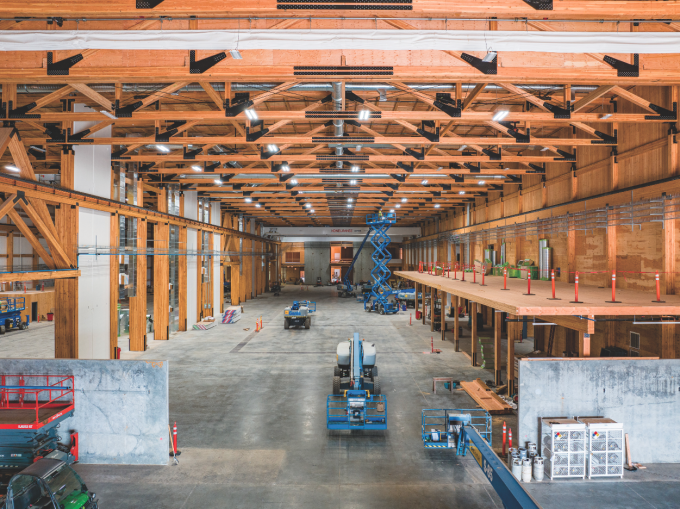
L’intelligence artificielle génère des retombées mesurables pour le SLB et ses programmes financés. Les nouveaux outils entraînent une réduction des coûts et des heures de travail répétitif, en plus de transformer des données complexes en renseignements rapides et exploitables, ce qui permet de consacrer davantage de ressources à l’objectif central de l’industrie : accroître la demande en bois d’œuvre.
Le SLB utilise désormais des outils intégrant l’IA pour produire ses rapports du tableau de bord et du RCI annuel. Ce changement devrait réduire le risque d’erreur humaine et engendrer des économies d’environ 120 000 dollars par année; cet argent sera redirigé vers des initiatives de développement de marchés. Le SLB a aussi transformé l’aperçu du marché de la construction en 2026 de FEA en technologie d’application générale personnalisée, ce qui facilite l’accès des programmes financés et des partenaires du SLB aux données sous-jacentes des marchés ainsi que leur mise en application.
Think Wood a lancé la version bêta d’un agent d’IA qui transpose les données de campagnes dans une interface conversationnelle; le temps requis pour répondre aux nombreuses questions sur le rendement se compte désormais en secondes plutôt qu’en heures. À mesure que l’outil se développe, il devrait pouvoir repérer les tendances, renforcer la planification des indicateurs de rendement clés et aider à orienter les ressources de campagnes vers les activités les plus rentables.
WoodWorks met à l’essai des agents qui repèrent les projets potentiels et dressent des profils pour le WoodWorks Innovation Network, ce qui permet de réduire la saisie manuelle de données tout en améliorant l’uniformité.
La division de l’éducation du SLB s’est servie de l’IA pour étudier les 77 programmes de gestion de la construction accrédités par l’ACCE et compiler de l’information qui permettra d’orienter les futurs investissements dans la formation et la main-d’œuvre.
À l’AWC, 21 outils de travail enregistrés assistés par l’IA ont permis d’économiser environ 184 heures de travail, ce qui correspond à plus de 15 500 dollars. Ces outils permettent notamment de convertir une calculatrice scientifique complexe, d’accélérer la recherche de codes et d’extraire des données de dix déclarations environnementales de produits en vue d’une analyse de stockage du carbone.
Ensemble, ces efforts démontrent qu’une adoption responsable de l’IA permet de réduire
les coûts indirects, d’améliorer les connaissances et de tirer davantage de chaque dollar investi par l’industrie.
l’accès au marché
du bois d’œuvre dans
les I-Codes de 2027
Le cycle des I-Codes de 2027 s’est terminé par la préservation de tous les aspects favorables au bois soulevés par l’AWC lors des audiences précédentes, protégeant ainsi la place du matériau dans la construction tout en conservant les nouvelles possibilités d’une utilisation généralisée aux États-Unis.
Parmi ses résultats les plus importants, l’AWC a permis de défaire une proposition de l’industrie du béton qui visait à réduire la quantité de bois exposé permise au plafond des bâtiments de type IV-B. Elle a aussi bloqué d’autres propositions, dont des changements susceptibles de compliquer l’adoption des codes ou de limiter le choix de matériaux pour les catégories de construction décrites dans les codes sur les milieux périurbains. Puisque le vote consensuel gouvernemental est clos, ces propositions sont rayées de l’ordre du jour des codes de 2027, en attente d’une confirmation de routine par le conseil d’administration de l’International Code Council.
En parallèle, plusieurs modifications soutenues par l’AWC en faveur d’une utilisation accrue du bois ont été approuvées. Les codes de 2027 reconnaîtront la norme Fire Design Specification de l’AWC comme une option pour calculer les dimensions acceptables des éléments en bois massif, présenteront de nouvelles dispositions liées au bois récupéré et une mise à jour des tableaux de portée des linteaux et des chevrons en bois d’œuvre, en plus de renforcer la reconnaissance des ossatures de plancher en bois et de la construction à plateforme de bois.
Ces résultats sont importants parce que les modèles de codes établissent les avenues juridiques que les États et les autorités locales empruntent pour faire approuver des systèmes de construction. Le fait de préserver un vocabulaire favorable permet de protéger les marchés existants du bois d’œuvre, tandis que les nouvelles dispositions simplifient l’utilisation en toute confiance du bois par les concepteurs, les ingénieurs et les professionnels des codes.
L’AWC s’efforce également de maintenir les références à ses principales normes de conception dans les codes de 2027. Les Special Design Provisions for Wind and Seismic (SDPWS) de 2027 font l’objet d’un examen public, alors qu’une mise à jour d’études sismiques vient renforcer la position de la construction à ossature de bois dans les zones à risque sismique élevé.
Ensemble, ces réussites permettent de protéger les produits et les systèmes de construction en bois d’œuvre de restrictions inutiles, de reconnaître de nouvelles applications et de fournir des bases encore plus solides aux codes devant la demande future en bois d’œuvre.
Centre étudiant de Portsmouth Abbey School |
Photo : Brad Feinknopf
L’AWC s’appuiera sur l’avis des membres et du conseil d’administration pour établir l’ordre de priorité des initiatives relatives au domaine technique, aux codes, aux normes et à la réglementation les plus susceptibles de protéger et d’élargir les marchés du bois d’œuvre. Faites part de vos commentaires et priorités à l’AWC.
du bois dans les codes
Rothoblass Workshop

en chiffres
Les projets d’habitation multifamiliale de 5 à 8 étages, comme ceux de LC Germantown, représentent un volume supplémentaire annuel potentiel de 307 millions de pieds-planche d’ici 2035. | Photo : Nick McGinn
WoodWorks a déclaré 109 conversions de projets au deuxième trimestre, ce qui marque un quatrième trimestre consécutif de plus de 100 projets convertis. La taille moyenne des projets convertis aux premier et deuxième trimestres était considérablement plus élevée qu’à la fin de 2025, soit 135 000 pieds carrés, une hausse de 27 pour cent par rapport aux 106 000 pieds carrés de l’an dernier.
Plusieurs gros projets d’habitation multifamiliale et de résidences pour étudiants ont collectivement permis d’accroître cette surface. Une tendance soutenue de passage des grands projets d’habitation multifamiliale à l’étape de la construction serait un signe très positif pour le marché en général et la perspective des projets déclarés par WoodWorks. Le marché des bâtiments de grande hauteur en bois poursuit aussi sur sa lancée, alors qu’au moins un projet de ce type est mis en chantier chaque trimestre des 12 derniers mois. WoodWorks soutient plus de 200 projets de bâtiments de grande hauteur en conception et le bois constitue un autre signe positif d’un retour à la croissance des marchés.
Même si aux États-Unis, l’activité générale des secteurs multifamilial et non résidentiel a ralenti à 1,7 milliard de pieds carrés en 2025 (par rapport au sommet de 2,3 milliards de pieds carrés en 2022), le bois continue d’accaparer une part croissante des projets qui se concrétisent. Pendant la même période, la part de construction du bois est passée de 33 à 40 pour cent. Cette augmentation a permis à la construction en bois de demeurer résiliente même si le marché s’est contracté en général.
Les débouchés les plus immédiats résident dans les habitations multifamiliales. Les pressions liées à l’abordabilité continuent d’alimenter la demande dans le secteur locatif, tandis que la construction de moyenne hauteur a rebondi en 2025. D’après l’AIA, les mises en chantier d’habitations multifamiliales ont augmenté de 15 pour cent en 2026 (après une hausse de 17 pour cent en 2025). La 21st Century ROAD to Housing Act, qui a acquis le statut de loi en juillet, pourrait aussi contribuer à éliminer des obstacles aux nouvelles constructions. Le bois occupe déjà une place solide dans le segment des habitations multifamiliales, y compris une part de 63 pour cent dans les bâtiments de cinq à huit étages, où les systèmes à ossature de bois légère, hybrides et en bois massif sont tous compétitifs.
Quant à la demande en bois d’œuvre, la tendance cruciale n’est pas seulement le volume de construction, mais les secteurs où le bois gagne du terrain. Le SLB inclura la part de marché dans les principaux indicateurs de rendement clés à partir de 2027, afin dès lors d’évaluer le marché et l’activité en temps réel.
Le SLB privilégie les villes offrant la plus grande possibilité de croissance, consolider les avantages liés au coût et à la rapidité, faire progresser les systèmes hybrides à même de rivaliser directement avec l’acier et le béton, Les investissements du SLB et de ses programmes financés contribuent à la croissance de la demande en bois d’œuvre dans les segments des bâtiments commerciaux, des établissements d’enseignement, des habitations multifamiliales de moyenne hauteur, des bureaux et des projets résidentiels de grande hauteur, qui comptent parmi les plus grandes possibilités de conversion de futurs bâtiments en volume supplémentaire de bois d’œuvre résineux.
s’approprie des parts
d’un marché fléchissant
Reportage principal
Grâce à une meilleure évaluation du marché
en 2026, WoodWorks prévoit de 388 á 425 conversions de projets pour l’année, soit dans le haut de la fourchette des prévisions initiales.
de l’élan aux projets
de grande envergure à ossature de bois légère
Broadstone Saratoga | Photo : Chad Case Photography
Grâce à un soutien technique personnalisé, à l’interprétation des codes et à une éducation en début de processus, WoodWorks permet aux équipes de conception d’envisager en toute confiance des bâtiments en bois de moyenne hauteur à ossature de bois légère et sur podium. Les structures à ossature de bois légère représentent 47 pour cent des possibilités décrites dans le plan stratégique à long terme du SLB et, alors que la demande pour ce type de construction continue d’augmenter, le soutien des projets par WoodWorks est essentiel pour permettre aux équipes d’affronter les défis liés à la conception, aux codes et aux structures.
Au deuxième trimestre, plusieurs initiatives démontrent qu’un soutien technique ciblé permet de maintenir la place du bois dans ces bâtiments :
Des indications sur les codes aident un projet à garder le cap à Los Angeles. WoodWorks a contribué à régler des questions de hauteur, de surface et de résistance au feu dans un bâtiment à usage mixte de type III-A, qui totalise 75 000 pieds carrés sur cinq étages, pour ainsi réduire le risque de refonte des plans tout en préservant la solution à ossature de bois légère.
L’expertise en matière de murs coupe-feu profite à deux grands complexes à usage mixte. Le soutien technique de WoodWorks a aidé des ingénieurs à coordonner les exigences liées à la structure et à la résistance au feu de projets totalisant 720 000 pieds carrés à San Diego et à Albuquerque, ce qui a permis de maintenir deux grands bâtiments à ossature de bois légère en selle.
Une formation à l’échelle d’une firme permet de renforcer ses capacités. Le soutien adapté aux projets a aidé une équipe de conception à relever les défis liés à la structure, à l’acoustique et à la résistance au feu d’un complexe multifamilial de cinq étages, tout en augmentant sa capacité à créer des bâtiments de grande envergure à ossature de bois légère lors de projets futurs.
Une formation sur les bâtiments de type III permet d’approfondir l’expertise régionale. Une formation donnée à 60 architectes, ingénieurs, promoteurs et professionnels du bâtiment est venue renforcer les connaissances nécessaires pour soutenir les marchés en croissance des habitations multifamiliales à ossature de bois légère dans le sud-est des États-Unis.
Les projets multifamiliaux de 5 à 8 étages représentent une demande supplémentaire annuelle potentielle de 307 millions de pieds-planche d’ici 2035. La contribution de WoodWorks dans ce marché démontre que l’expertise en matière de codes et le soutien technique précoce permettent de protéger l’adoption du bois, de faire passer de grands projets à l’étape de la construction et de renforcer les capacités professionnelles nécessaires à une demande reproductible pour le bois d’œuvre.

Northlake Commons |
Photo : Meghan Montgomery
en chiffres
L’industrie de l’acier s’efforce de réduire les risques liés à sa rivalité avec le bois en adoptant les systèmes hybrides en acier et en bois massif, comme celui utilisé au siège social de l’Orange County Sanitation District, de la firme HDR. | Photo : Dan Schwalm
concurrents suivent
le cahier de jeux du SLB
Reportage principal
Les concurrents ajustent leurs messages aux conditions actuelles du marché, passant des prétentions génériques de supériorité de leur matériau aux plaidoyers axés sur le carbone et la durabilité. L’industrie du béton consolide des dépenses liées aux cotisations autour d’un mandat de croissance. L’industrie de l’acier s’efforce activement de réduire les risques liés à sa rivalité avec le bois en adoptant les systèmes hybrides en acier et en bois massif plutôt que d’opter pour une rhétorique hostile au bois, comme par le passé. Voici les faits saillants observés par le SLB :
La crédibilité liée au carbone et aux DEP est désormais le principal enjeu des trois catégories de matériaux. Au cours des 24 derniers mois, chacun des concurrents a produit une calculatrice de carbone, une DEP actualisée ou un engagement à la carboneutralité.
La concurrence pige essentiellement dans le cahier de jeux de WoodWorks. Tous les principaux concurrents déploient désormais leur version du modèle de WoodWorks, soit des webinaires, de la formation sur demande, du soutien à la conception et du personnel sur le terrain, ce qui valide ce modèle, mais érode la différenciation stratégique de WoodWorks au fil du temps.
Une menace émergente : l’impression 3D de béton bénéficie d’un soutien institutionnel.
En parallèle, une menace extérieure à la lutte entre les matériaux classiques gagne la validation de l’industrie financière : Wells Fargo est aujourd’hui le prêteur privilégié d’ICON, un constructeur de maisons de béton imprimé en 3D, appuyant cette technologie par un crédit d’impôt préférentiel. Voilà un signe que l’innovation technologique en construction, et pas seulement les matériaux, commence à attirer des capitaux classiques vers des méthodes axées sur le béton, en particulier dans les segments des habitations unifamiliales et abordables, où l’ossature en bois d’œuvre résineux n’avait habituellement pas d’opposition. Ce phénomène mérite une certaine attention, mais la menace n’est pas encore à l’échelle des codes ou des exigences techniques.
en chiffres
de cas incite à choisir le bois
Le contenu lié aux projets continue de susciter l’engagement le plus élevé et le meilleur taux de conversion chez Think Wood. Le taux de conversion de contacts potentiels en projets du programme a atteint 41 pour cent au deuxième trimestre, par rapport à 24 pour cent l’année dernière, au même rythme que le record établi au premier trimestre. Les études de cas et le contenu axé sur les projets ont constitué les ressources les plus efficaces; elles ont montré aux architectes, aux ingénieurs et aux entrepreneurs que les systèmes structuraux en bois d’œuvre permettent de relever les défis liés à la conception, au coût et à la construction.
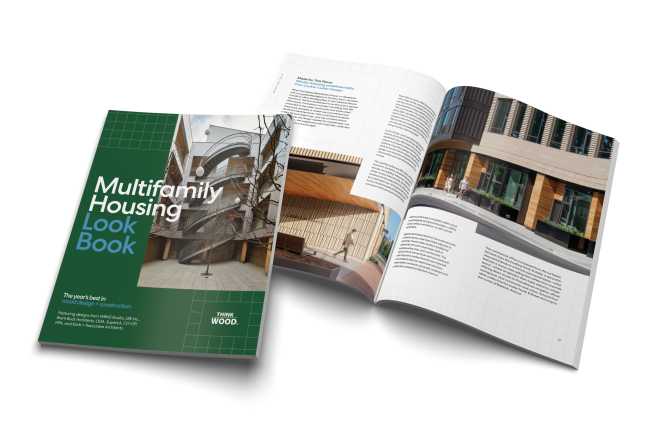
Au deuxième trimestre, de nouvelles ressources dédiées aux marchés ont démontré un grand potentiel de croissance. Le Packer Collegiate Institute Garden House a illustré les possibilités du bois massif dans le secteur de l’éducation. À Omaha, un immeuble à bureaux a démontré qu’un modèle hybride en acier et en bois massif peut surpasser une solution entièrement en acier. Un nouveau LookBook d’habitations multifamiliales a permis de consolider des stratégies et des exemples éprouvés dans l’un des plus grands marchés de la construction en bois.
Think Wood a soutenu ces publications par l’envoi généralisé et plus pertinent de courriels de fidélisation aux clients potentiels. Plutôt que de montrer des signes de fatigue devant ces envois, les utilisateurs étaient plus enclins à en recevoir davantage, ce qui a stimulé l’engagement et contribué à faire passer 2 280 contacts au rang de clients à engagement élevé lors du deuxième trimestre.
Ces études de cas concordent avec la projection du SLB, soit une demande supplémentaire annuelle en bois d’œuvre de 2,9 milliards de pieds-planche d’ici 2035.
La construction d’habitations multifamiliales, d’établissements d’enseignement et d’immeubles de bureaux représente plus de 1,4 milliard de pieds-planche de débouchés connus, ce qui fait des exemples de projets ciblés des outils importants pour accélérer l’adoption du bois.
Ces résultats renforcent une tendance constante : grâce à des exemples de projets crédibles, à des conseils détaillés et à un suivi pertinent, les professionnels de la conception et de la construction sont plus susceptibles de choisir le bois.
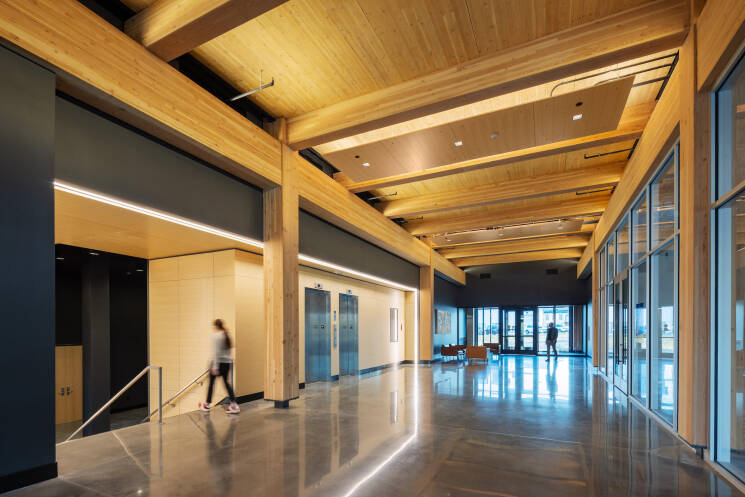
Les études de cas qui portent sur des projets comme le 1501 Mike Fahey, un projet de bureaux en bois massif conçu par HDR, a permis à Think Wood de susciter l’intérêt et de convertir des contacts de projet. | Photo : Dan Schwalm
Courtyard Retreat |
Photo : Steve Hall

incite à l’adoption du bois
connaît un bond de 80 %

Pour toute question concernant les rapports du SLB, veuillez écrire à info@softwoodlumberboard.org